SpaceX catches a Starship upper stage after orbit for the first time
On Flight 15, Ship 42 spent about 22.5 hours in orbit and was caught by the Starbase tower's arms. The Super Heavy booster aborted its own catch and was lost at sea.
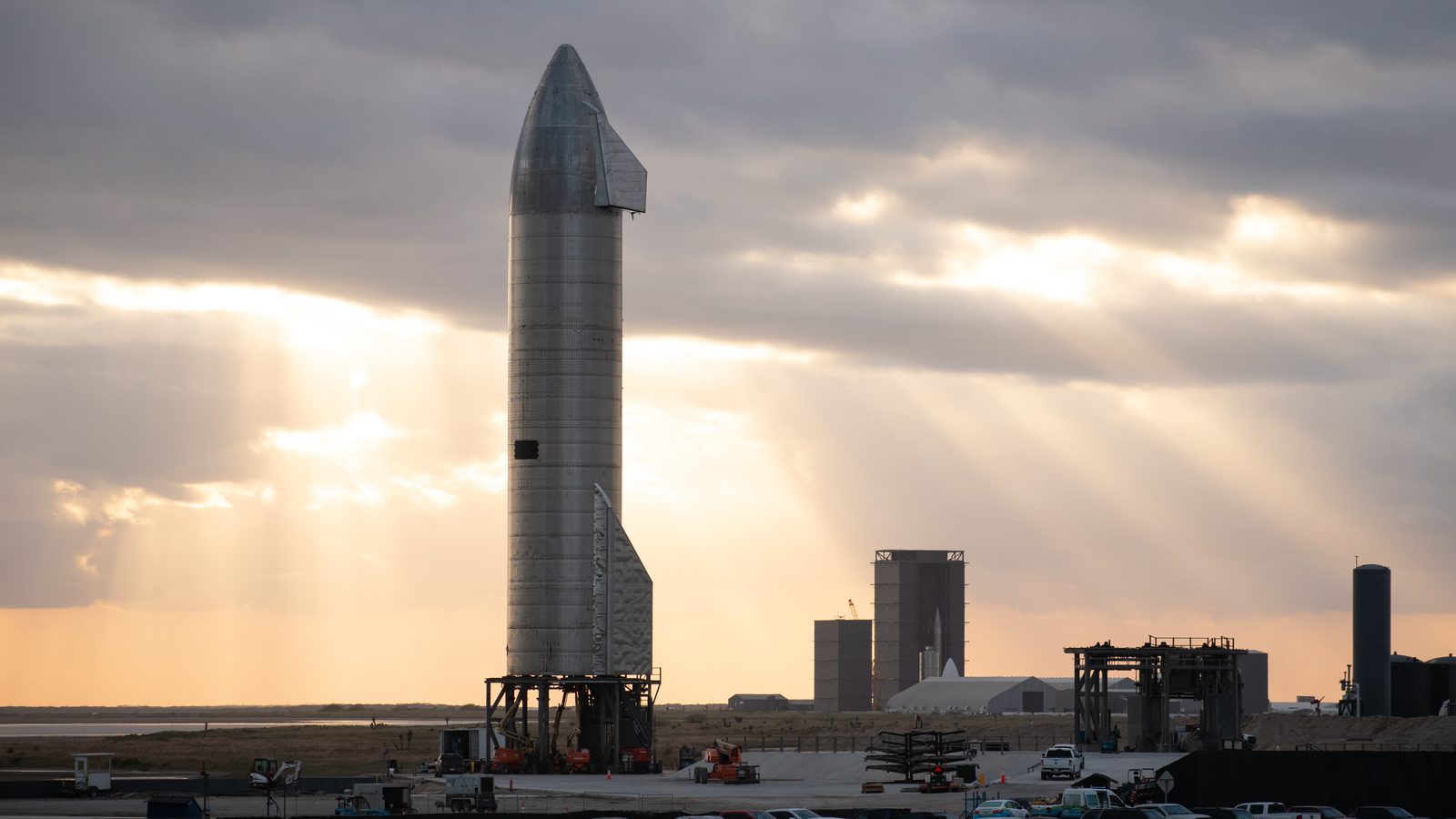
SpaceX caught a Starship upper stage with its launch tower for the first time on November 14, 2026, ending the vehicle's 15th test flight after roughly 22.5 hours and about 14 trips around Earth. The ship, known as Ship 42, lifted off from Starbase in South Texas at 5:47 p.m. EST on November 13 and returned the next afternoon to be held by the tower's mechanical arms. The Super Heavy booster that launched it was not recovered: it called off its own catch attempt minutes after liftoff and came down in the Gulf of Mexico.
The result marks the first time the upper stage of the world's largest rocket has come back from orbit intact and been captured for possible reuse, a step SpaceX has described as central to making the whole system fully reusable.
How the flight unfolded
After stage separation, Ship 42 continued to orbit and released 26 next-generation Starlink satellites. According to SpaceQ, SpaceX used three camera-equipped Starlink satellites to look over the ship's heat shield before committing to the return. The mission lasted longer than any previous Starship flight.
On the afternoon of November 14, a single Raptor engine fired for about 10 seconds to start the descent from an altitude of roughly 171 miles, Aviation Week reported. The ship then spent close to an hour gliding back through the atmosphere, approaching the launch site from the west, crossing near South Padre Island and turning back toward Starbase.
Shortly before reaching the tower, the ship lit its three sea-level Raptors, swung from its belly-first descent into a vertical position and folded its flaps. It shut one engine down, steered between the open arms and settled into a near-hover above the launch mount on a single engine. The arms closed on two fittings just below the forward flaps, and the last engine shut off once contact was confirmed.
What went wrong with the booster
SpaceX had hoped to catch both stages on the same flight for the first time. Instead, the Super Heavy booster ran short of propellant and drifted slightly off its planned path during its return, which triggered an automatic abort of the tower landing. It diverted offshore about six and a half minutes after liftoff.
SpaceX's explanation evolved over the following day. Company representatives pointed to an early end to the boostback burn after a low-fuel alarm, and Elon Musk blamed slight underperformance by the engines, saying the fix would come with an updated version of the Raptor. Aviation Week reported that the booster's software will be changed so its 33-engine ascent burn ends about one second earlier, leaving more propellant for the return.
Musk said the booster loss would not change the company's schedule toward high-volume reusable flights and that the next booster was nearly ready. He also noted that damaging the tower or launch mount during a catch could cost two to three months.
Why it matters
Every Falcon 9 and Falcon Heavy flight to date has thrown away its upper stage, even though SpaceX routinely lands and reflies the first stages. The Space Shuttle reused its orbiter and solid rocket boosters but discarded its large external fuel tank. A rocket whose two stages both return and fly again could cut launch costs far more than first-stage reuse alone.
SpaceX had already caught earlier-generation Super Heavy boosters with the tower on Flights 5, 7 and 8 in 2024 and 2025. Bringing the much larger and more fragile upper stage back from orbit, through the heat of reentry, and into the tower's arms was the harder half of the problem. SpaceX commentator Dan Huot called it "the missing link, the holy grail of spaceflight."
NASA has a direct stake in the vehicle's progress. The agency is relying on a version of Starship to carry astronauts between lunar orbit and the Moon's surface, and SpaceX is working toward that role as early as 2028. NASA Administrator Jared Isaacman congratulated the company on social media after the catch.
What comes next
SpaceX has not announced a date or vehicles for Flight 16. SpaceQ reported that the company's Starship tower at Launch Complex 39A in Florida is expected to be ready later this month and that the first Florida-bound Super Heavy and Starship will be shipped from Starbase by barge.
Key open questions include whether the recovered ship can be inspected, refurbished and flown again, and whether SpaceX can fix the booster's propellant margins in time to try for a double catch on an upcoming flight. Reusing both stages is a prerequisite for the high flight rates SpaceX says it needs for Starlink deployment and for refueling Starships in orbit before lunar missions.