BepiColombo reaches Mercury orbit after eight-year trip: what's next
Europe and Japan's BepiColombo probe has entered orbit around Mercury, only the second spacecraft ever to do so. Here is what it will study and when science begins.
The European-Japanese BepiColombo mission has entered orbit around Mercury after an eight-year journey, becoming only the second spacecraft ever to do so. The European Space Agency (ESA) said flight dynamics teams had confirmed orbital capture and that contact with the spacecraft was established. The real science work, however, will not start until spring 2027.
What happened
According to Space.com, the orbit-insertion burn took place on Saturday, November 21, and lasted 37 minutes. Euronews reported ESA's confirmation early on Sunday, with the agency saying that teams were assessing telemetry and would share a fresh update early in the coming week.
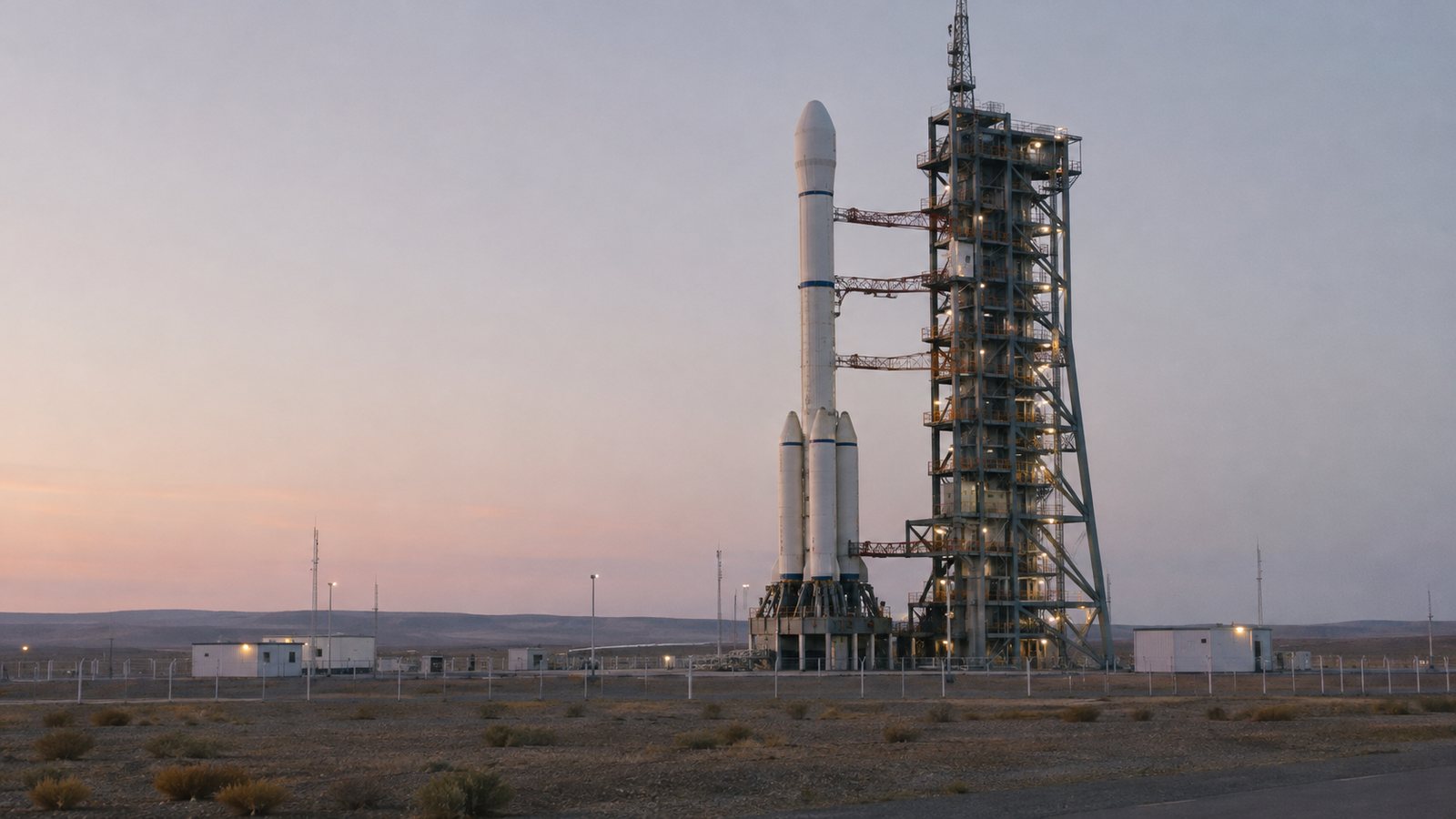
BepiColombo is a joint mission of ESA and the Japan Aerospace Exploration Agency (JAXA). It launched from French Guiana in October 2018. NASA's MESSENGER, which orbited Mercury from 2011 to 2015, remains the only earlier spacecraft to have stayed in orbit around the planet. NASA's Mariner 10, launched in 1973, was the first to visit Mercury but only flew past.
Why the journey took so long
Mercury is the closest planet to the Sun, which makes it surprisingly hard to reach. A spacecraft heading inward gains a lot of speed from the Sun's gravity and must shed it to be captured. BepiColombo did that with a long chain of gravity-assist flybys: one of Earth, two of Venus and six of Mercury itself, according to Space.com.
The trip also ran longer than first planned. Space.com reported that the journey was extended by a year after a solar panel problem reduced the power available to the electric thrusters on the transfer module that carried the two orbiters.
Two orbiters, one mission
BepiColombo is really two spacecraft stacked together:
- Mercury Planetary Orbiter (MPO): ESA's orbiter, which will study the planet itself.
- Mercury Magnetospheric Orbiter (Mio): JAXA's orbiter, designed to study the planet's magnetic environment.
ESA says the mission aims to study all aspects of Mercury, the least explored planet in the inner solar system, to learn more about the planet and how the solar system evolved. Euronews described it as ESA's description of the second mission to orbit Mercury and the most complex.
The dates to know
The orbiters are still attached to each other. Space.com listed the following schedule:
- Around December 9: the two orbiters are scheduled to separate (Euronews gave December 9 to 10).
- Mio will move into a highly elliptical polar orbit.
- By March 10, 2027: MPO is due to reach its less elliptical polar orbit.
- April 6, 2027: science operations are set to begin.
The arrival phase as a whole began on September 3 and is expected to take about six months.
Why Mercury is a hard place to work
Euronews noted that Mercury is the smallest planet in the solar system and has extreme temperatures, from about 430 degrees Celsius at the hottest to about minus 180 degrees Celsius at the coldest. Spacecraft there must cope with intense sunlight and heat on one side while staying operable in the cold. That is part of why only two missions have ever stayed in orbit.
What scientists hope to learn
The reporting from ESA's announcements is general about the science goals, so it is best to treat specifics as open until data arrives. The stated aim is a full picture of Mercury: its surface, interior and magnetic field, and how it relates to the rest of the solar system. With two orbiters in different orbits, scientists can look at the planet and its magnetic surroundings at the same time, something MESSENGER, a single spacecraft, could not do.
What the long arrival phase involves
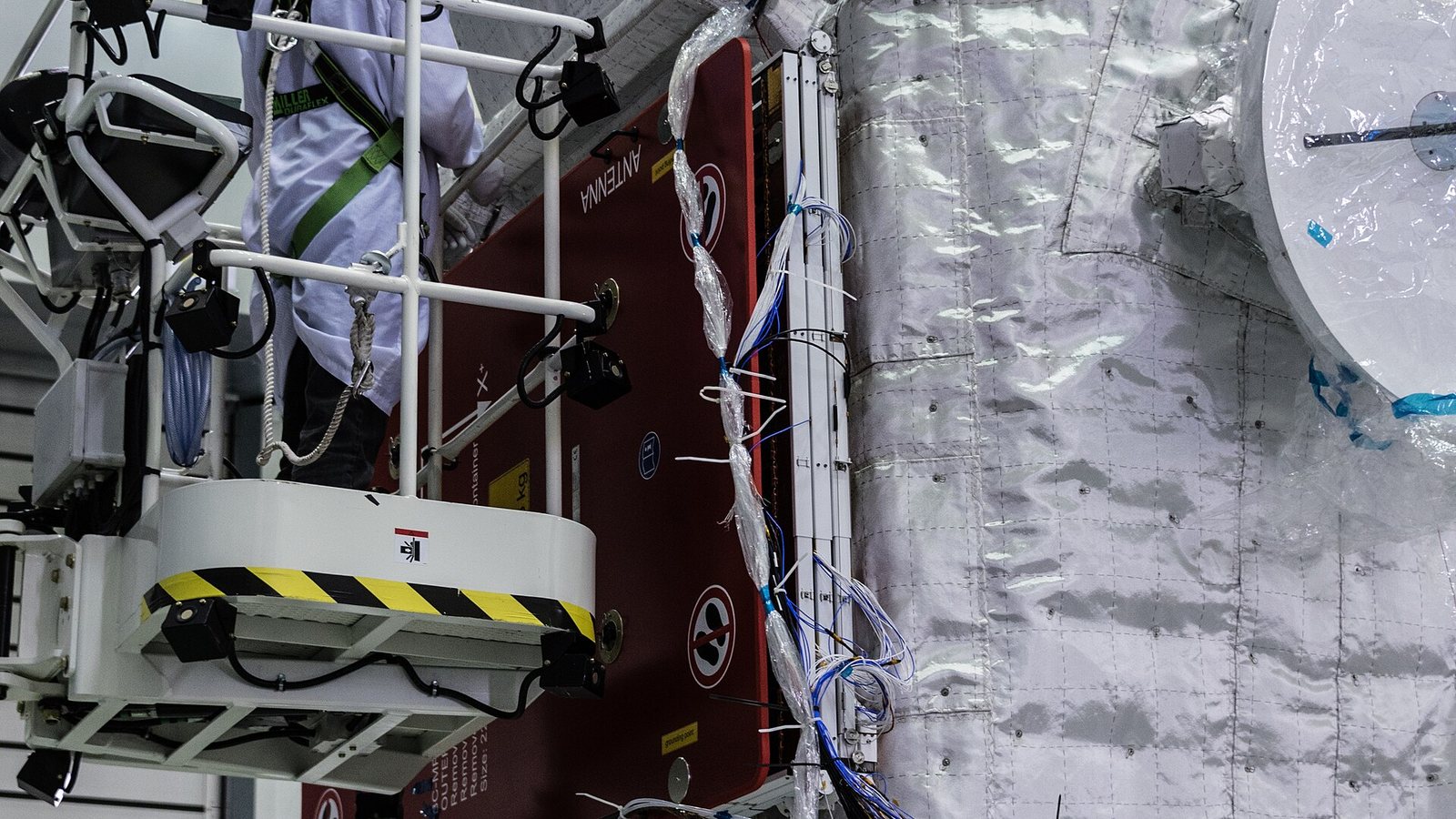
Orbit capture is not the finish line. Reaching Mercury is one step in a sequence, and the spacecraft still has to be reconfigured before it can do its job. The orbiters travelled to Mercury bolted together with the transfer module, which supplied the electric propulsion. Before science can begin, controllers must separate the two orbiters, steer each into its own working orbit, and then check out the instruments. That is why ESA and JAXA are counting roughly six months from the start of the arrival phase in September to the first science in April 2027.
Teams are also still assessing the spacecraft's telemetry after the burn, which ESA said it would follow with a fresh update early this coming week. Until then, details such as the exact orbit achieved have not been published.
What it means
For most readers the immediate effect is none, but missions like this fill in a large gap. Mercury has been visited far less than Mars or Venus. A second long-lived orbiter should give researchers a second, more detailed look at the planet, and a way to check what MESSENGER found.
There is also a longer view. When the orbiters finally begin to work in April 2027, the measurements will arrive nearly nine years after liftoff, a reminder of how slow and patient inner-planet exploration can be.
The photo above shows the BepiColombo spacecraft stack before launch, not the arrival at Mercury.