Pakistan's first astronaut heads to China's space station
Pakistani Air Force pilot Muhammad Zeeshan Ali is due to launch on China's Shenzhou-24 and become the first foreign visitor to the Tiangong station. The flight lasts about a week.
Pakistan is about to put its first astronaut into space, aboard a Chinese rocket. Muhammad Zeeshan Ali, a 40-year-old Pakistan Air Force pilot, is scheduled to launch on China's Shenzhou-24 mission at 8:18 a.m. Beijing time on Wednesday, Nov. 25. That is 00:18 GMT, or 7:18 p.m. Eastern on Tuesday, according to the launch schedule reported by Al Jazeera and listed on Wikipedia. He will be the first foreign astronaut to visit China's Tiangong space station.
The flight is short. Ali is due to spend about a week in orbit before returning to Earth on the Shenzhou-23 spacecraft that is already docked at the station.
Who is flying
Ali will fly as a payload specialist alongside Chinese commander Tang Hongbo and flight engineer Wu Yi. Tang is on his third spaceflight, having flown on Shenzhou-12 and Shenzhou-17. Wu is a first-time flyer.
The Chinese pair will begin a roughly six-month stay on Tiangong. Ali's seat is a visitor's seat: he will not join the long-duration crew. Khurram Daud, another Pakistan Air Force pilot, trained alongside him and is the backup. Daud was not named to the flight crew, and it is not clear whether he will fly on a later mission. In a video released by Pakistan's Ministry of Information and Broadcasting, Daud asked Pakistanis to pray for him. Ali said at a news conference: "No matter who flies, we have already made the history together."
Both men were named by China's human spaceflight agency on April 22, 2026, and began training at the Astronaut Center of China in Beijing two days later. Their preparation covered centrifuge runs, survival and rescue drills, emergency procedures and crew coordination. Ali said the hardest part was technical Chinese, which he needs for switches, software and voice announcements on board. Zhang Jingbo, a spokesperson for the China Manned Space Agency, said training stressed Chinese commands and terms so that the crew could carry out procedures accurately.
What the mission involves
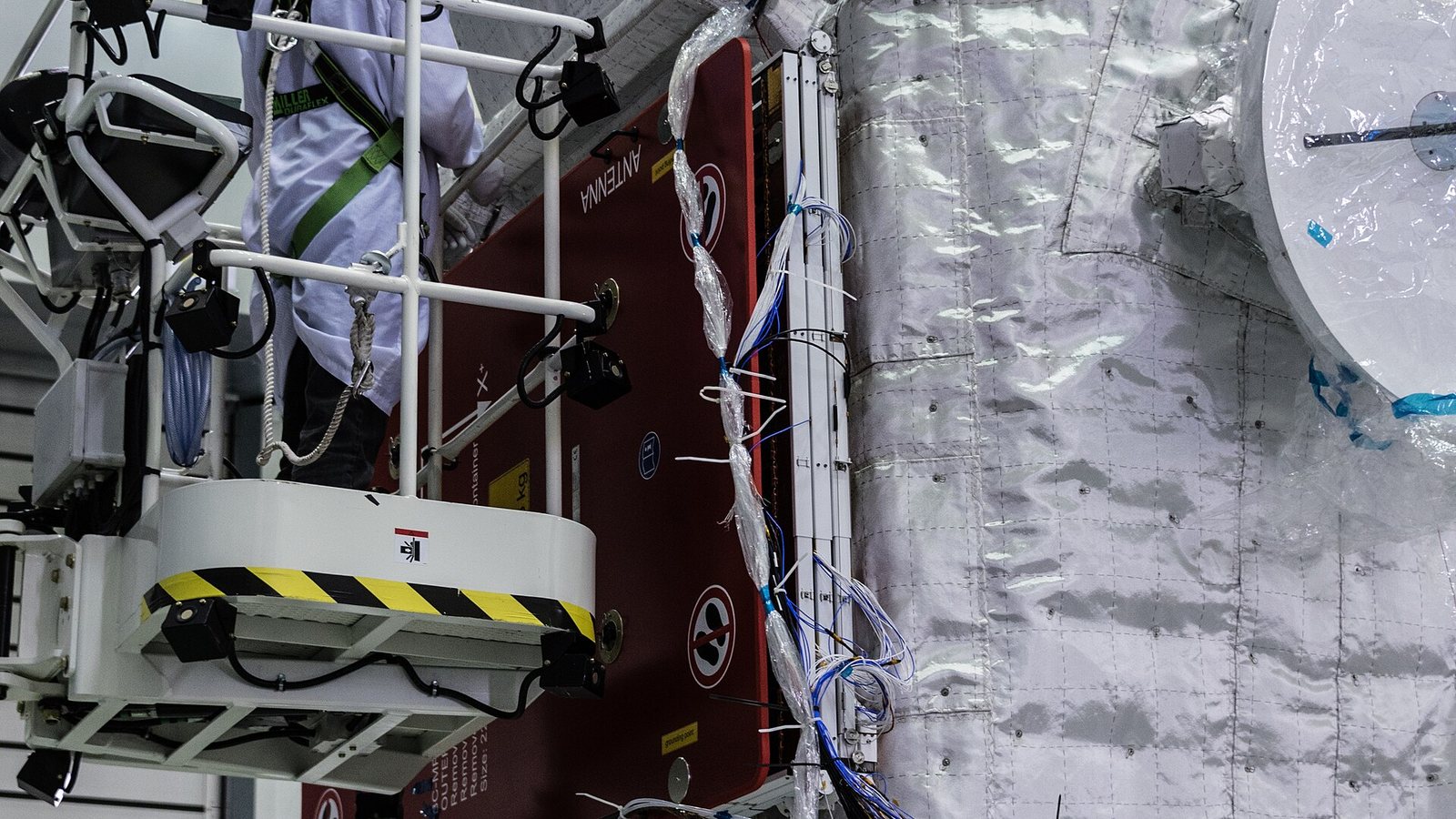
After launch, Shenzhou-24 is expected to rendezvous autonomously with the station in about three and a half hours and dock at the forward port of the Tianhe core module.
The rotation is unusual. China's crews normally swap three in, three out. This time Zhu Yangzhu, who commands the Shenzhou-23 crew, is staying aboard to attempt China's first year-long stay in orbit, according to Space.com and Wikipedia. Ali takes his seat for the ride home on Shenzhou-23, together with two Chinese astronauts finishing a six-month tour.
Ali's main job is science. He is responsible for four joint China-Pakistan experiments in biotechnology and materials science, including one on cyanobacteria, photosynthetic microorganisms. Pakistan's space agency, SUPARCO, said the experiments were chosen from proposals submitted by Pakistani universities, and Space.com reported that more than 300 proposals came from institutions in Karachi, Lahore and Islamabad. Pakistan's Information Ministry has said the work could have uses in climate resilience, food security and industrial innovation.
SUPARCO said Ali's week will go mostly to installing samples and equipment and checking that the hardware survived launch vibration and works in microgravity. Finishing the four experiments will take six to 12 months, the agency said.
Why it matters beyond the science
The flight is the first time Chinese and foreign astronauts will fly together in China's crewed program. Zhang described Pakistan as China's "all-weather strategic cooperative partner," and 2026 marks 75 years of diplomatic ties between the two countries. SUPARCO and the Chinese agency signed their astronaut agreement in Islamabad in February 2025.
China built Tiangong on its own after a 2011 US law barred NASA from bilateral cooperation with Beijing, which kept China out of the International Space Station. Qamarul Islam, a space scientist and former senior official at the Institute of Space Technology in Islamabad, told Al Jazeera that Pakistan also has no astronauts on the ISS, and that China choosing Pakistan for its first foreign visitor reflects how close the two countries are. Asked about possible joint flights with Russia, Zhang said China hopes to work with more countries and regions.
Ali called the mission "a launchpad," not "a finish line," and said he hoped it would lead to more joint flights and, eventually, cooperation on the Moon and Mars. There is a lunar thread already. Pakistan's iCube-Qamar satellite reached lunar orbit on China's Chang'e-6 mission in 2024, and a SUPARCO-developed rover is due to fly on Chang'e-8 around 2028. Al Jazeera reported that the two countries are also working on a lunar mission tentatively planned for 2028, though SUPARCO said it could not yet share details.
What to watch next
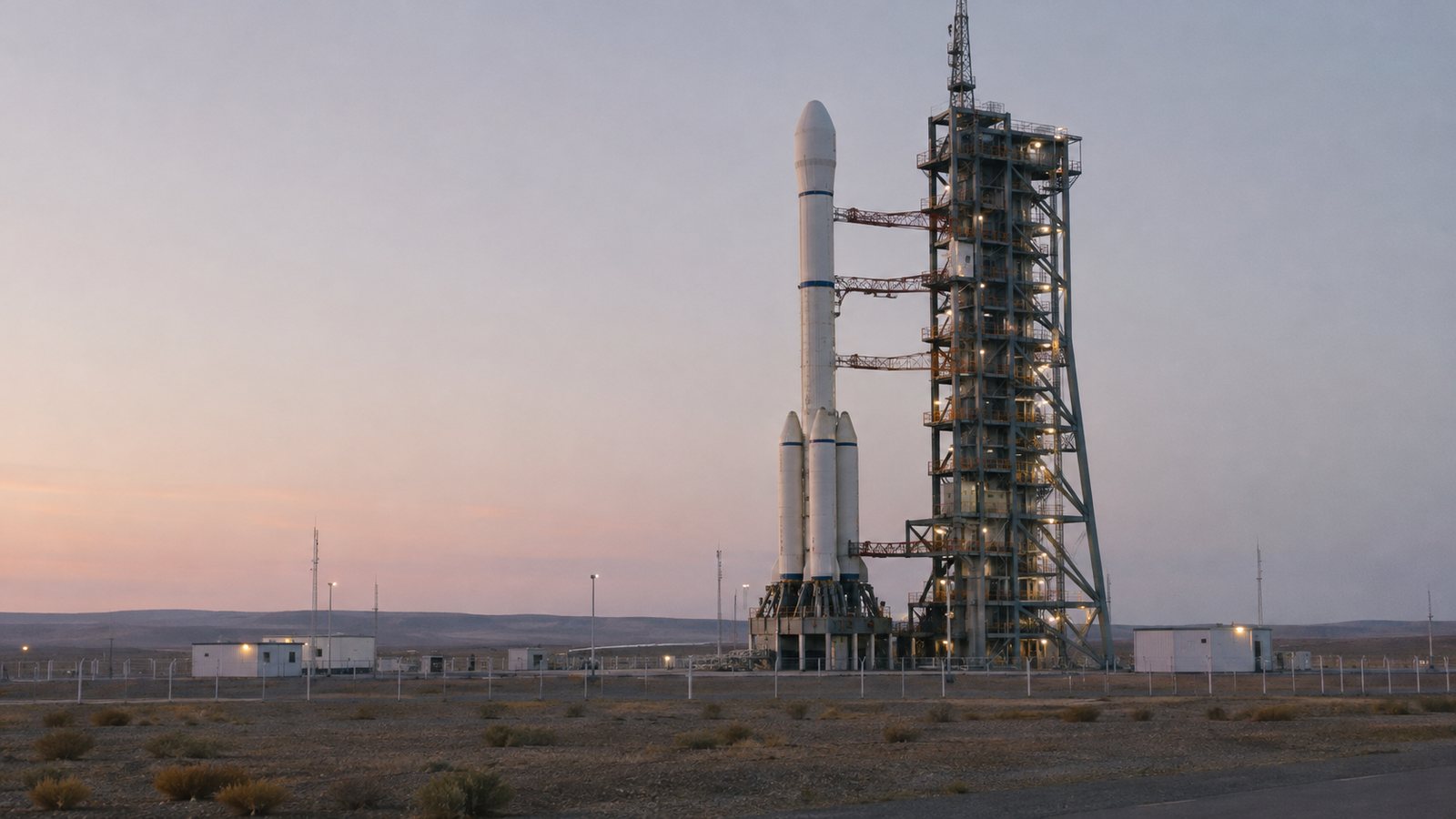
The launch is from the Jiuquan Satellite Launch Center in northwest China on a Long March 2F rocket. If it goes to plan, docking follows within hours and Ali's week on the station begins. The Chinese crew, meanwhile, is settling in for a stay that runs to about May 2027.
The experiments will outlast the flight by months: SUPARCO's estimate of six to 12 months to finish all four means results are unlikely before 2027.