COP31 climate talks run into overtime over fossil fuels
Nearly 200 countries failed to finish a deal in Antalya on schedule. A draft that drops fossil fuels and a key finance target has angered the EU, Panama and developing nations.
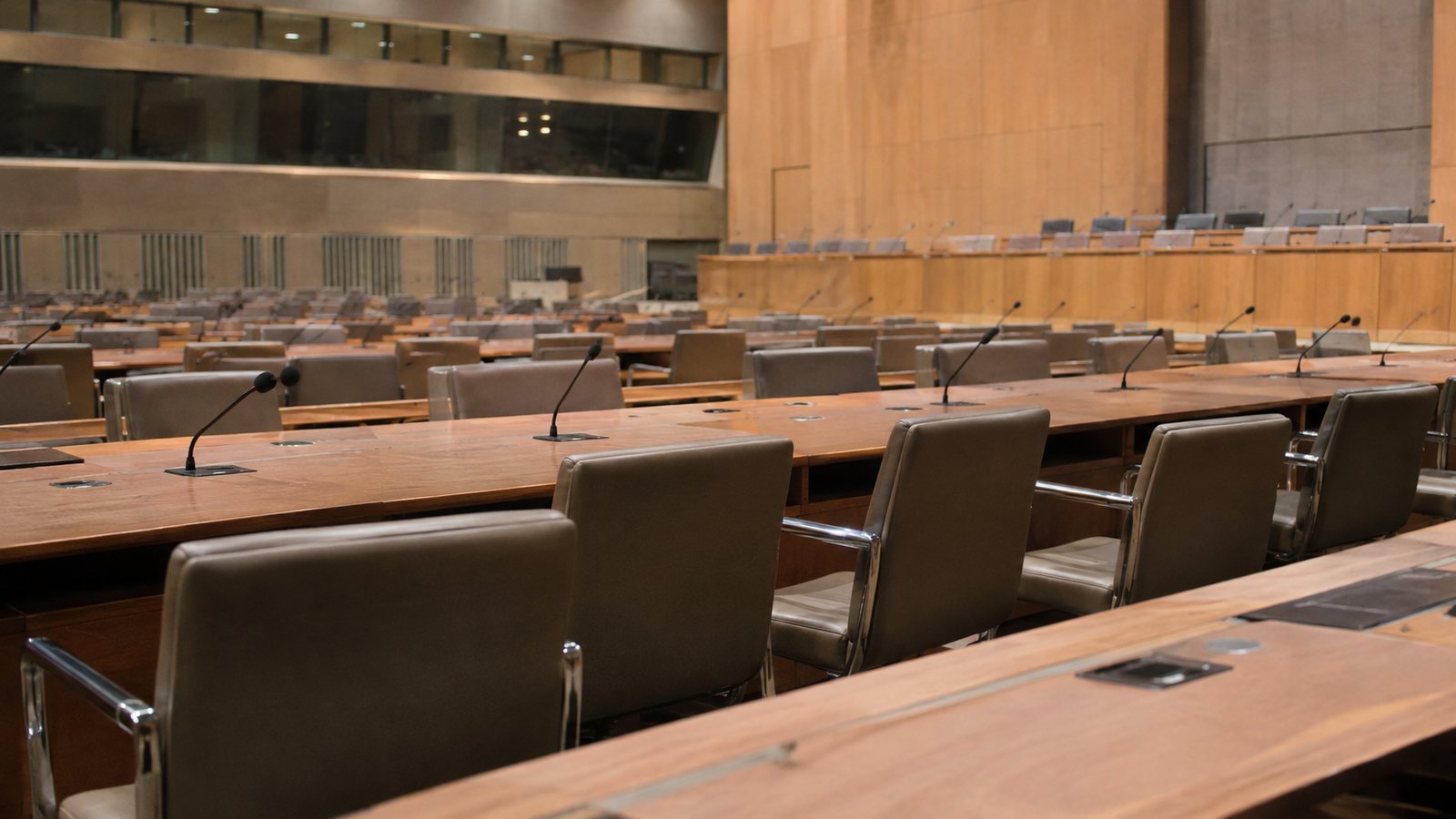
The COP31 climate summit in Antalya, Turkey, missed its scheduled finish on Friday, Nov. 20, as nearly 200 countries failed to agree on a final deal. The sticking point is whether the text should mention fossil fuels at all. A third draft was promised for Saturday morning.
Summit president Murat Kurum, who is also Turkey's environment minister, said the parties were "close to the finish line, but we are not there yet," according to Al Jazeera. A late session approved some technical matters but not the broader political package, and PBS NewsHour reported that delegates postponed some decisions to next year.
What is stuck
Fossil fuels. An opening draft from Australia, the cohost and lead negotiator, called for a faster phase-out of fossil fuels. A slimmer draft on Thursday removed every mention of them after Saudi Arabia and other major oil and gas producers objected, Al Jazeera reported. PBS noted that fossil fuels went unmentioned in final climate decisions for more than 25 years, until countries agreed at the 2023 Dubai talks to transition away from them. Critics see the new draft as a step back from that pledge.
The EU said the draft "risks turning this climate COP into a fossil summit." Panama and a dozen other countries signed a letter demanding a clear transition away from fossil fuels. Panama's environment minister, Juan Carlos Navarro, called a cover document that omits fossil fuels "not acceptable" and has threatened to formally object or walk away. He described the talks as held hostage by a "petroleum mafia."
Money. The revised text drops an earlier figure of at least $120 billion a year to help poorer countries adapt to climate change. It says a fund for countries hit by climate disasters should be tripled but gives no amount. Developing countries say wealthy nations have not delivered previously agreed funds. Ghana's environment minister, Zanetor Agyeman-Rawlings, said: "We didn't come here to beg."
Electricity. The draft proposes raising electricity's share of global final energy use from about 21% to 35% by 2035. It does not require that the power come from renewables, so fossil-fueled plants could count toward the goal. Some countries want the word "clean" added. Kurum argued that electrification implies moving away from fossil fuels.
Carbon capture and trade. Some countries oppose expanding carbon capture, calling it costly and unproven and arguing it lets polluters keep burning oil and gas. Vanuatu's climate minister, Ralph Regenvanu, wants references to "false solutions" removed. The EU's carbon-based tariff on high-emission goods is also unresolved.
Reaction from advocates and analysts
Climate Action Network International's executive director, Tasneem Essop, said the draft offers nothing to protect people or address Global South priorities. Greenpeace Middle East and North Africa warned that weakening the phase-out would undermine progress. Analyst Alden Meyer of the think tank E3G said leaving without a signal of commitment to the 2023 pledge would be a real setback.
Mohamed Adow of Power Shift Africa went further: "This has been the worst COP ever." Protesters displayed a "failure" banner and interrupted Kurum's speech at one point, PBS reported.
The backdrop
The talks are taking place as warming outpaces the Paris Agreement's goals. Al Jazeera cited a recent UN report finding the world is set to pass the 1.5°C limit. PBS, citing Berkeley Earth, reported that October 2026 was about 1.8°C warmer than the mid-1800s.
The United States, the largest historical emitter, is absent for a second year after President Donald Trump ended climate cooperation. Al Jazeera added that the US-Israel war on Iran and higher living costs have pulled attention away from the summit.
What happens next
COP decisions require near-unanimous consensus, and the agreements are voluntary and nonbinding. That gives a single determined objector, such as Panama, real leverage to complicate adoption. Kurum has said the talks are not meant to revisit decisions from earlier COPs, which is the argument his side will lean on in the final hours.
Neither outlet reported a firm deadline for a final agreement. If the summit ends without language on fossil fuels, the most visible consequence will be political: the first COP since 2023 to close without restating the pledge. The next summit is scheduled for Addis Ababa, Ethiopia, in November 2027.
For readers outside the negotiating rooms, the practical effect of any deal is indirect. These texts shape national climate plans, how much money flows to vulnerable countries, and how fast governments are pressed to move away from coal, oil and gas. A weak outcome does not change those policies overnight, but it removes pressure to tighten them.