Iowa Army plant to detonate 5 tons of lead azide: what to know
The Army plans two controlled blasts at the Iowa Army Ammunition Plant at noon Central today. Here is why, what the lead dust risk is, and what nearby residents are told to do.
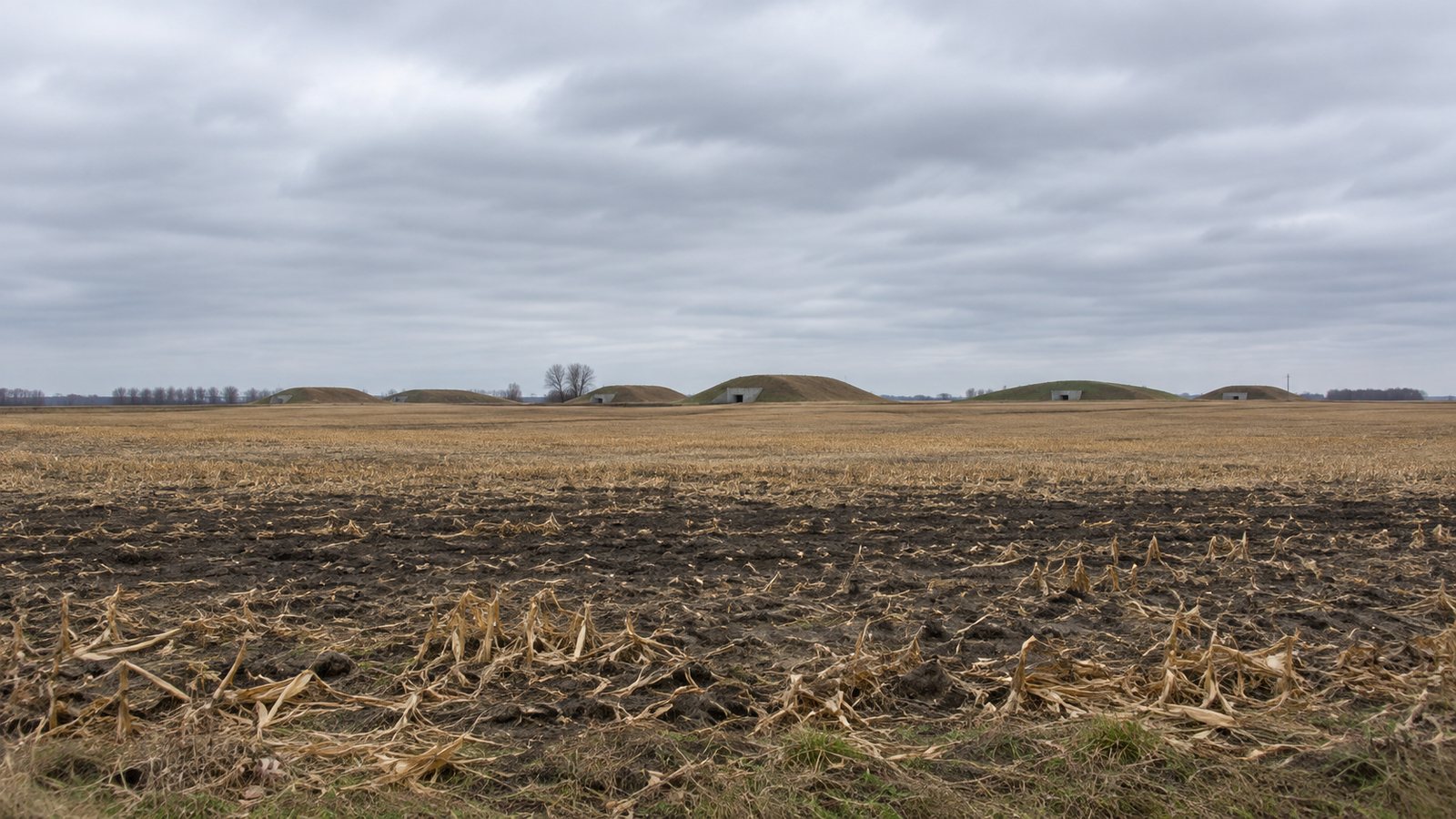
The U.S. Army plans to detonate about 5 tons of a degraded, highly sensitive explosive today at the Iowa Army Ammunition Plant in Middletown, in southeast Iowa. Two controlled blasts are scheduled for noon Central time on Friday, November 20, according to CBS News. The Army says moving the material is too dangerous, so it has chosen to destroy it where it sits, which could send lead-containing dust into the air over parts of eastern Iowa and northwest Illinois.
What is being destroyed
The material is lead azide, a primary explosive used to set off other explosives. About 68 barrels are involved, roughly 5 tons according to the Associated Press as cited by CBS.
PBS NewsHour reported that the barrels were stored for more than 20 years in earth-covered containers, kept in a mix of ethanol and water. A routine check found that some of the water had evaporated. As a result the material crystallized and became more sensitive to friction and shock. The Environmental Protection Agency called it "a highly unstable and dangerous situation," per PBS.
The Army decided that handling the drums at all was too risky, and rejected alternatives that required moving them. An Army official, Justine Barati, said the concern is that the material could detonate on its own, especially in cold weather.
The legal go-ahead
The EPA issued an emergency permit on November 13, citing an imminent threat to public safety. PBS said it required the Army to model how lead would disperse and to give the public five days' notice. CBS reported the permit bars the operation under certain weather conditions, and that it was unclear whether Friday's gusty winds would cause a delay.
Residents learned of the plan in March, and the Army presented details at a public meeting in October, according to PBS.
The health concern: lead dust
The blast will not just be a noise and vibration event. Lead is toxic, and the main worry is lead particles settling on farmland, playgrounds and other surfaces. CBS noted that lead can persist in soil for decades, and that the CDC says no safe blood lead level has been identified in children. Pregnant women are also at particular risk.
The Army's modeling predicts that airborne lead levels may be elevated but below the EPA's protective-action threshold, CBS reported. But actual exposure will depend on wind, the amount released and environmental sampling, which has not yet taken place. The Army also expects dust to linger for no more than about an hour, depending on wind speed, per PBS.
To limit the spread, PBS reported the barrels are encased in concrete, buried under soil and surrounded by sand barriers. During the detonation, the soil will be sprayed with water and the air misted, to keep most lead on Army property. The blasts could also break old windows in Middletown, a town of roughly 360 to 400 people.
What residents are being told
According to CBS and PBS, guidance includes:
- Leave if you can. Residents of Middletown's City Park neighborhood are asked to leave temporarily from 8 a.m. to 2 p.m. Friday. Temporary accommodations are available at the Armed Forces Reserve Center in Middletown.
- If you can't leave, stay inside with windows and doors closed.
- Avoid outdoor activity and set ventilation to recirculate air until the exposure period ends.
- Clean up afterward. Wet-clean frequently touched surfaces, and wash cars, windowsills and outdoor surfaces.
- Protect animals. The Iowa Department of Agriculture advises bringing animals, hay and water indoors.
Advisories reached communities up to 100 miles away, PBS reported, and thousands more people could be affected than the small group asked to leave.
Schools, sampling and frustration
Danville schools are closed Friday, as are Mediapolis schools and its public library. CBS said the EPA will set up a command center in Mediapolis to sample air, soil and water. PBS reported that Mediapolis's fire department had planned to hose down playgrounds, but an updated dispersal map no longer showed the city in the expected impact area.
Local officials have said the main problem has been a lack of information. Mediapolis Deputy City Clerk Amy Stucker said so, and Danville superintendent Pat Wallace said, "The reality is that we simply do not know exactly what conditions will look like Friday afternoon." He called closing schools "the most responsible decision."
Illinois health officials want comprehensive sampling in their state, while Iowa health officials said they were notified only recently, CBS reported. Sen.-elect Josh Turek has called for the detonation to be delayed.
University of Iowa professor Patrick O'Shaughnessy told PBS that efforts to minimize dust are encouraging, but that how much lead will reach the air and surfaces remains unknown. Plant commander Lt. Col. Daniel Nosse said, "The safety of our people and our neighbors is non-negotiable."
What to watch next
The key questions are whether the blasts go ahead at noon given the wind, and what the post-detonation sampling shows. Results from air, soil and water testing will determine whether additional cleanup or advisories are needed, and whether neighboring Illinois gets the broader monitoring it has asked for.
If you live within the advisory area, check with your county health department and local emergency management for updates, and follow the Army's guidance on staying indoors and wet-cleaning surfaces.