Jury convicts Rinderknecht in Palisades Fire case: what's next
A federal jury in Los Angeles found Jonathan Rinderknecht guilty of starting the fire that grew into the deadly Palisades Fire, after a first trial ended in a mistrial.
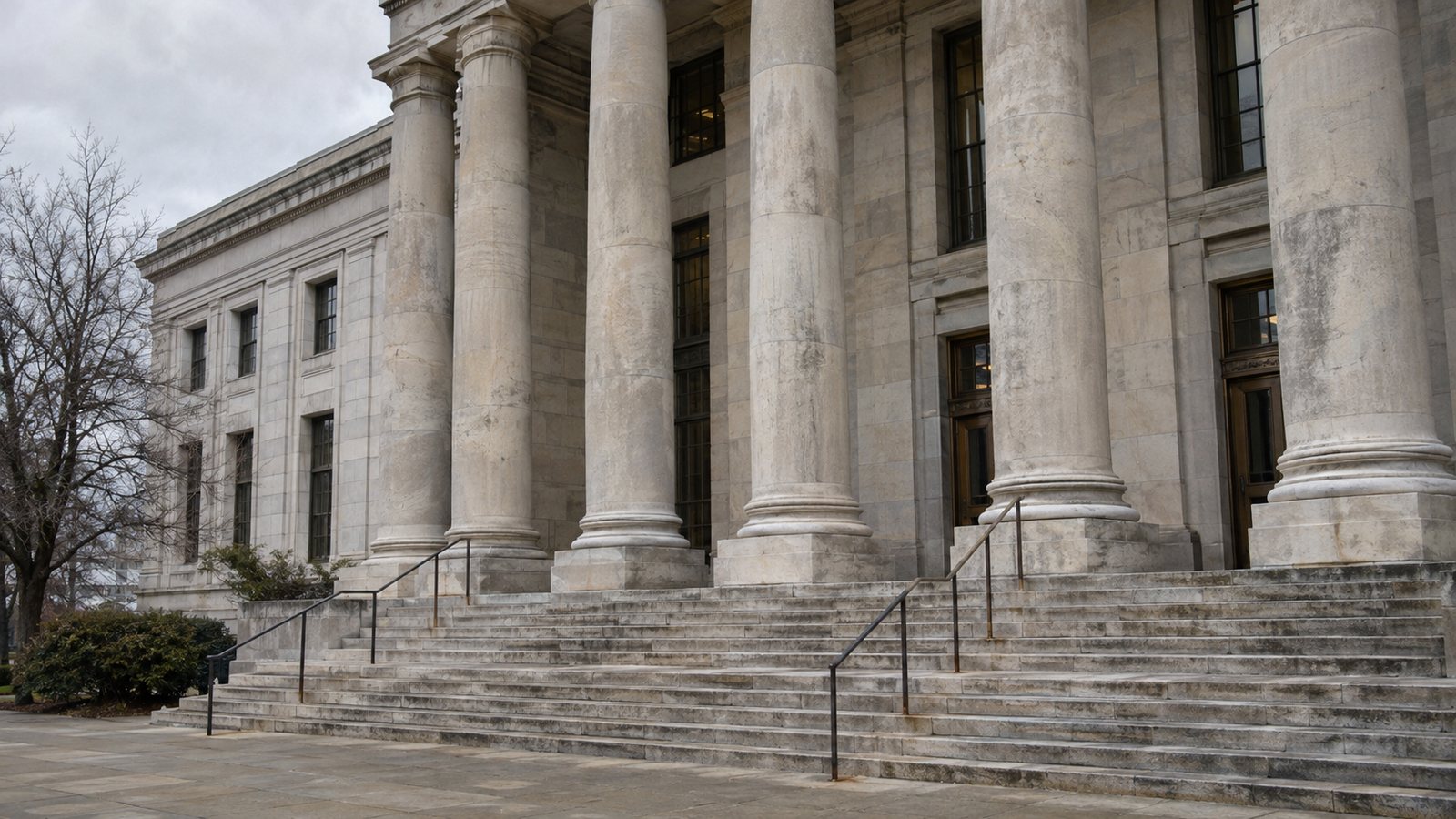
A federal jury in Los Angeles on Friday convicted Jonathan Rinderknecht of starting the fire that investigators say grew into the Palisades Fire, which killed 12 people and destroyed neighborhoods in Los Angeles and Malibu in January 2025. Jurors found him guilty on both counts he faced: destruction of property by means of fire, and arson. The verdict comes after a first trial in June ended in a mistrial.
Rinderknecht, who had pleaded not guilty, showed little visible reaction, according to PBS NewsHour. He hugged his attorneys and left the courtroom. His father attended the trial and the reading of the verdict.
What the jury decided
Prosecutors argued that Rinderknecht set the Lachman Fire near Pacific Palisades around midnight on Jan. 1, 2025, during an Uber shift. Investigators concluded that the blaze was never fully out. It smoldered underground, including in root systems, and flared again on Jan. 7 as the Palisades Fire. Fire investigators call that a "holdover" fire.
According to CBS News, he faces a minimum of five years and a maximum of 40 years in federal prison. Neither CBS News nor PBS reported a sentencing date.
The path to this verdict
The first trial lasted about two weeks in June. It ended when the jury deadlocked, reportedly split 10-2 in favor of acquittal. Rather than drop the case, federal prosecutors went back to a grand jury and obtained a superseding indictment. CBS News reported that First Assistant U.S. Attorney Bill Essayli chose to retry it.
The retrial charges were narrower. Prosecutors focused the first count on the Jan. 1 blaze and dropped a third charge of setting timber afire that had been part of the first case.
The second jury deliberated for nearly two days. One juror, identified by CBS News as Juror No. 3, said he initially believed Rinderknecht was not guilty but became convinced beyond doubt that he started the fire.
The prosecution's case
PBS reported that prosecutors presented a more tightly organized case than they did in June, built largely on digital evidence. Key elements included:
- Photos of his car parked at the base of a trail, and cellphone tower data tracking his movement on the hill.
- Images from fire detection cameras that showed when the blaze ignited.
- Expert testimony ruling out other ignition sources that night, including fireworks.
- Accounts from Uber passengers and texts to his then-girlfriend describing him as erratic and angry in the hours before the fire. Prosecutor Mark Williams said he was "mad at everything."
- More than a dozen 911 calls he made while walking down the hill, which he screen-recorded. During that period he asked ChatGPT whether someone is at fault if a fire is started by their cigarettes. Prosecutors said that was part of an attempt to build an alibi.
CBS News added that prosecutors reviewed about 1.5 million digital forensic data points and more than 17,000 pieces of evidence, and that phone location data reportedly placed him about 30 feet from the flames as they began to spread. Prosecutors also said he lied in a Jan. 24 interview about where he was when he first saw the fire.
PBS noted that, unlike in the first trial, prosecutors put less emphasis on any resentment he held toward wealthy and powerful people as a motive.
The defense's case
Defense attorney Steve Haney argued throughout that the government's evidence proved nothing. The defense agreed Rinderknecht called 911 but said he was only a witness. Haney's main arguments, as reported by PBS:
- The scene was compromised, because the area was open to the public for six days before the Palisades Fire began.
- Missing cell data meant the government could not rule out other people at the ignition point, and a neighbor reported seeing a group of teenagers running from the trailhead.
- A defense expert, a retired U.S. Forest Service fire investigator, put the fire's origin in a different area from the one the government identified.
- Fireworks could have caused the fire. Two neighbors and a local firefighter said they heard a loud bang from the hill. Prosecutors countered that thousands of camera images from that evening showed no fireworks above the hill.
Haney also asked jurors to disregard the angry texts, arguing they showed who the man was, not what he did. Jurors were told not to consider the Los Angeles Fire Department's role in fighting the fire.
The fire itself
According to Cal Fire figures cited by CBS News, the Palisades Fire burned more than 23,000 acres across Pacific Palisades, Malibu and the Santa Monica Mountains. It killed 12 people and destroyed more than 6,800 structures. It was fully contained on Jan. 31, 2025, 24 days after it started, and ranks as the third most destructive fire in California history.
Reactions
Rinderknecht's father, Joel, disagreed with the verdict and called much of the prosecution's case a "false narrative," CBS News reported. Essayli said the jury "did the right thing." Los Angeles Mayor Karen Bass noted that many residents are still rebuilding and that the fire "devastated our city."
What happens next
A conviction on both counts does not end the case. Sentencing will follow, and the five-to-40-year range reported by CBS News gives a judge wide latitude. A defense appeal is also possible, though neither outlet reported whether Rinderknecht's lawyers plan one. For the families of the 12 people who died and for the thousands who lost homes, the verdict answers a question about who is responsible, but rebuilding in the burned neighborhoods is still under way.