Iowa lead azide blast set for Wednesday after court clears Army
An appeals court lifted its block and the Army says it will detonate 68 drums of degraded lead azide in Middletown, Iowa, on Wednesday morning, weather permitting.
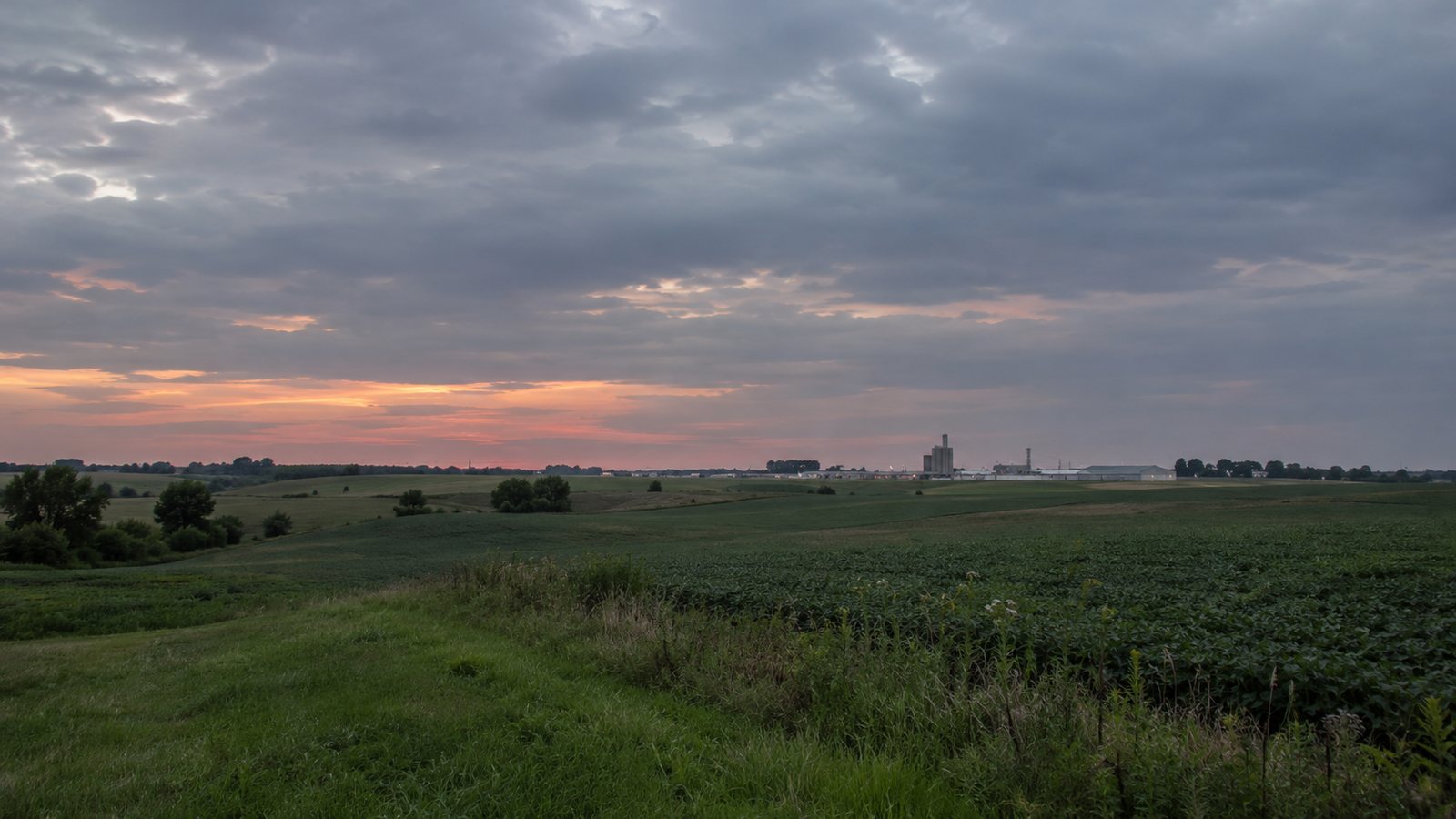
The Army says it will go ahead with the controlled detonation of a degraded stockpile of lead azide at the Iowa Army Ammunition Plant in Middletown on Wednesday morning, wind permitting. The decision came late Monday, hours after a federal appeals court removed the last legal obstacle. Our earlier report covered President Donald Trump's order to pause the operation; this is what changed afterward.
What the court decided
A three-judge panel of the 8th U.S. Circuit Court of Appeals had temporarily blocked the plan the previous week. On Monday it lifted that stay and refused an emergency request from the Sierra Club and the Iowa Environmental Council, who had challenged the emergency permit the Environmental Protection Agency granted for the blast.
The judges found the groups had not shown they were likely to succeed. According to CBS News, the court said the EPA "adequately incorporated safeguards," including barriers and environmental monitoring, and that the Army had considered a range of alternatives. In the words quoted by Fox News, the court wrote that "the risk is between a controlled detonation and an unplanned explosion," not between a controlled detonation and no explosion.
What is being destroyed
The material is 68 drums of crystallized lead azide, almost 4,500 kilograms (10,000 pounds), as Al Jazeera reports, or about five tons. Lead azide is a primary explosive used in detonators. The Army stored it in earth-covered containers at the plant for decades, and officials say a problem with its condition was discovered earlier this year.
Army and EPA officials argue the chemical has degraded and could explode without warning, and that the risk grows as temperatures fall and the crystals become more likely to break down. The EPA has said a managed detonation is far less dangerous than a spontaneous one and that neutralizing or moving the drums could also set off an uncontrolled blast. Munitions specialists made the same warning in court filings.
Acting Army Secretary Adam Telle called it "a consensus decision" and said the call reflects the judgment of many agencies, including the Army, Navy, EPA, ATF, FBI, DARPA, the Department of Energy, CDC, HHS and FEMA. "Every expert agency agrees, and both Iowa's current and incoming governors say the call belongs to the experts," he wrote.
The political fight
Before the ruling, Trump said on Truth Social that he had told the military to wait unless both the appeals court and Iowa's Democratic Gov.-elect Rob Sand agreed. He said he would hold Sand "responsible for any and all death or destruction" if the operation were blocked. Sand takes office in January, and CBS News reported that his approval is not legally required.
Sand neither approved nor rejected the blast on Monday evening. He posted on X that the administration should decide based on the experts it hired months earlier, and he asked federal officials to release the details of their briefings. CBS reported that current Gov. Kim Reynolds supports proceeding, according to the Army.
The Army has now said it will go ahead, and Telle described the plan as proceeding "in full coordination with all state, local and federal authorities." The reporting available Tuesday did not say whether Sand had formally signed off.
What residents have been told
The Army's public advisory describes two rapid detonations, ground vibrations and a dust plume expected to last no more than an hour. Residents of Middletown are advised to stay indoors, and some have already sealed windows and doors. Afterward, the Army says people should wash outdoor surfaces with water. An earlier plan for a Friday blast would have required some residents to leave their homes for six hours.
Environmental groups say a lead dust plume could travel as far as 100 miles or more over homes, crops and livestock, and that the Army's "extraordinarily rushed timeline" gave residents too little notice. Politicians from both parties in Iowa and Illinois have urged the Army and EPA to look at other options. Middletown resident Emmalynn Beck told PBS NewsHour that lead could cause problems for her community and downwind towns.
The operation has been postponed three times because of public concern. Neither Fox News nor CBS gave an exact time for Wednesday's blast or described what monitoring and cleanup will follow, so those are the questions to watch once the dust settles. Residents should follow instructions from local officials, who will have the most current wind and timing information.