Mexico captures FBI Ten Most Wanted fugitive 'Chapo Isidro'
Mexican special forces arrested Fausto Isidro Meza-Flores in Sinaloa after a raid that triggered gunfire, burning roadblocks and a cancelled baseball game. Here is what is known.
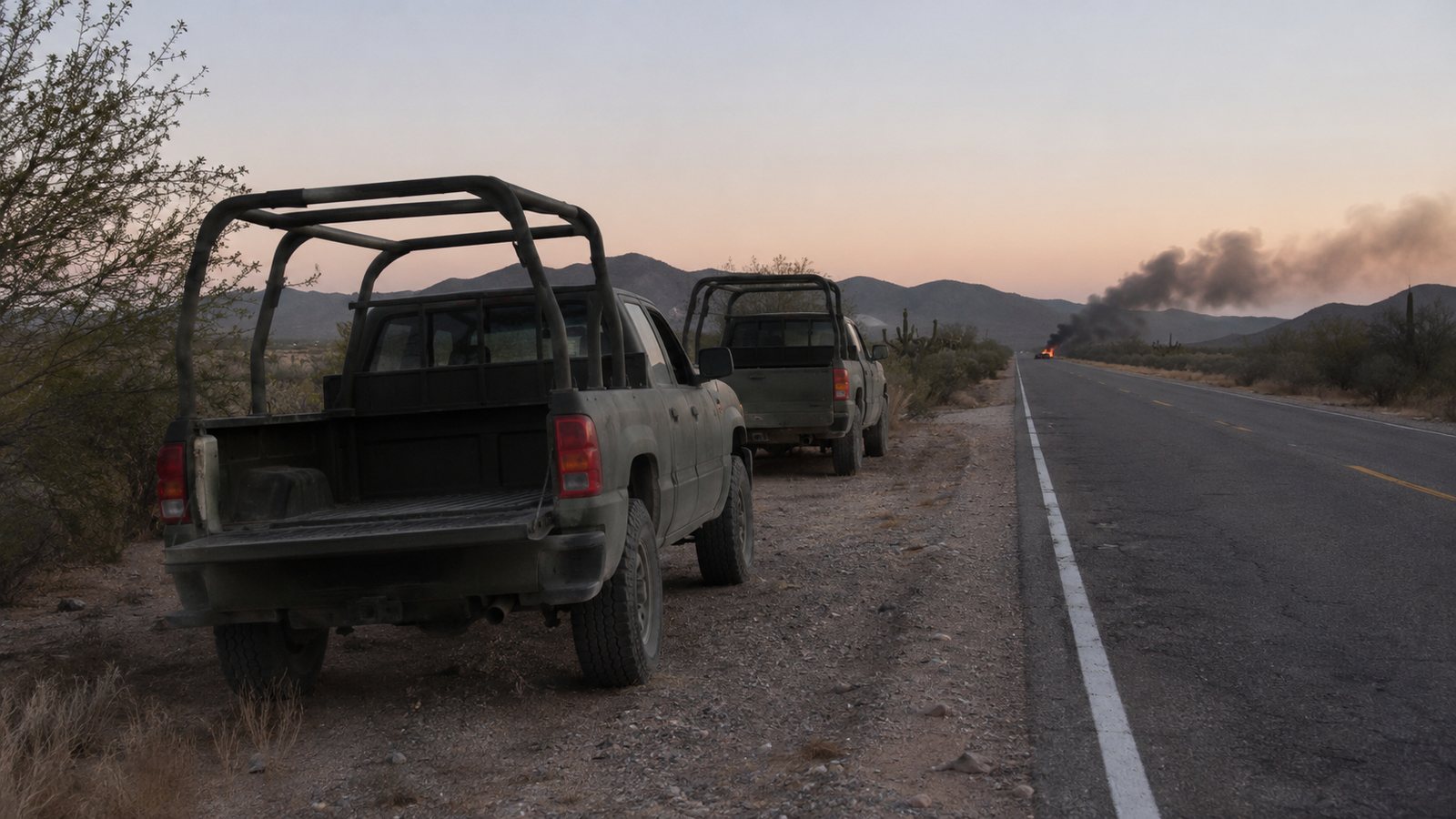
Mexican special forces have captured Fausto Isidro Meza-Flores, known as "Chapo Isidro," a leader on the FBI's Ten Most Wanted Fugitives list. The arrest happened Friday night in Guasave, in the northwestern state of Sinaloa, according to Mexico's National Defense Secretariat. The raid set off gunfire, burning roadblocks and violence across parts of the region on Saturday.
What happened in Guasave
The Defense Secretariat said the operation had three phases. Troops approached the area by different land routes, set up a security perimeter to block escape or reinforcements, and then entered a house to make the arrests. The force "came under attack with gunfire and explosives," the Secretariat said.
Meza-Flores was not alone. The raid also detained two other cartel figures, reported as the group's second in command and a financial operator. All three were flown to Mexico City on a Mexican Air Force aircraft and placed at the disposal of prosecutors.
The fighting reached a public event. A Mexican Pacific League baseball game at Kuroda Park in Guasave was cancelled, and social media video showed players and fans running for cover as gunfire sounded. Other videos showed burning trucks used as roadblocks. Euronews reported that local authorities told residents to stay indoors and avoid affected roads. None of the reports reviewed gave a reliable casualty figure.
Who he is
The FBI describes Meza-Flores as the alleged leader of the Meza-Flores Transnational Criminal Organization, which it calls a heavily armed drug-trafficking group based in Sinaloa. The bureau says he began as an independent trafficker and later led the organization, which it alleges controls drug production, transport and distribution in several Mexican locations. Euronews links the group to the Beltrán Leyva criminal organization and says it is also known as the Guasave Cartel.
US prosecutors first indicted him on May 2, 2012, in federal court in the District of Columbia. A superseding indictment and arrest warrant followed on November 26, 2019. The charges include multiple drug-trafficking counts and firearms offenses. The FBI alleges the group imported heroin, methamphetamine, cocaine, fentanyl and marijuana into the United States. The State Department had offered a reward of up to $5 million for information leading to his arrest and conviction.
Euronews reported that the FBI added him to its Ten Most Wanted list in February 2025. It says he rose to prominence after the Beltrán Leyva organization fragmented and rival factions fought one another, and that his group has been accused of violence, intimidation and territorial control in north-western Mexico. Outlets differ on how to describe his exact link to the Beltrán Leyva network, which is one reason the FBI's own description, a standalone organization led by Meza-Flores, is the safest shorthand.
The first indictment dates back more than 14 years, which gives a sense of how long he stayed out of reach of US authorities. Both indictments were filed in the District of Columbia.
The US role
Mexico's government said intelligence from the Trump administration helped locate and capture Meza-Flores, but it gave few details about how the two countries worked together. Fox News reported that US and Mexican intelligence agencies coordinated before the raid. The arrest comes as President Claudia Sheinbaum faces steady pressure from President Donald Trump to act against cartels. CBS News noted that homicides in Mexico have fallen significantly during her two years in office, and that the country's most powerful cartel leader, known as "El Mencho," was killed in February.
What comes next
Security Secretary Omar García Harfuch said armed forces will stay deployed in Sinaloa to protect civilians. He called the arrests "an important step in pacifying Sinaloa."
Past cases suggest caution. Euronews noted that capturing a senior figure does not necessarily dismantle an organization, and that rival groups may try to exploit a power vacuum in Sinaloa. Violence often spikes in the days after a high-profile arrest, as the reaction in Guasave showed.
For the US side, the next step is extradition or prosecution. Neither Mexico nor Washington had said on Saturday whether Meza-Flores would be sent to the United States to face the charges in the District of Columbia. The sources reviewed do not say what Mexican charges he may face.
What it means for US readers
Fentanyl and methamphetamine trafficking from Mexico is a central issue in US-Mexico relations, and arrests like this one are likely to be cited by both governments as evidence of cooperation. Whether it changes drug supply in the US is a separate question. Analysts have long noted that trafficking networks tend to reorganize after leaders are removed. Travelers should watch official advisories for Sinaloa, where roadblocks and clashes disrupted daily life over the weekend.