Mamdani's plan to close Rikers Island by 2032: what changes
New York's mayor unveiled a plan to shut Rikers Island in 2032, five years after the legal deadline. It relies on four new borough jails and far fewer people behind bars.
New York City Mayor Zohran Mamdani on Friday announced a plan to close the Rikers Island jail complex by 2032, acknowledging that the city will miss the legal deadline of August 2027. The plan rests on two things: building four smaller jails in the boroughs and sharply cutting the number of people the city holds. The new timeline needs approval from the City Council.
What the plan says
Under the plan, detainees would move from Rikers to new borough-based jails, opening on a staggered schedule, according to City Hall figures reported by the Associated Press and CBS News New York:
- Brooklyn: 2029
- The Bronx and Queens: 2031
- Manhattan: 2032
The four new jails are designed to hold about 4,100 people. Rikers held roughly 6,700 people in June, so the plan only works if the city's jail population falls by well over a third. The administration closed one Rikers facility earlier this year, but the rest of the complex remains open.
A handful of medical facilities would be kept for people who need health care or psychiatric treatment. The plan also cuts the number of beds for women and would divert more women into community-based programs.
How the city wants to shrink the jail population
Most of the plan is about who ends up in jail in the first place and how long they stay. According to the reporting, it includes:
- new diversion and supervised release programs
- more housing and social services aimed at reducing repeat offenses
- restoring an online bail payment system
- speeding up court cases, including faster exchange of evidence between prosecutors and defense lawyers, so people wait less time for trial
CBS News New York reported that the plan includes $50 million for job training, education, mental health counseling and drug treatment, and another $76 million for community programs and supervision meant to keep more people out of jail while they await trial.
Mamdani argued the current system holds people too long. He said assaults at Rikers happen at eight times the rate of comparable jails, and that people are held there nearly four times longer than the national average. He said the city would put money into improving conditions in the meantime.
Why the 2027 deadline was always in doubt
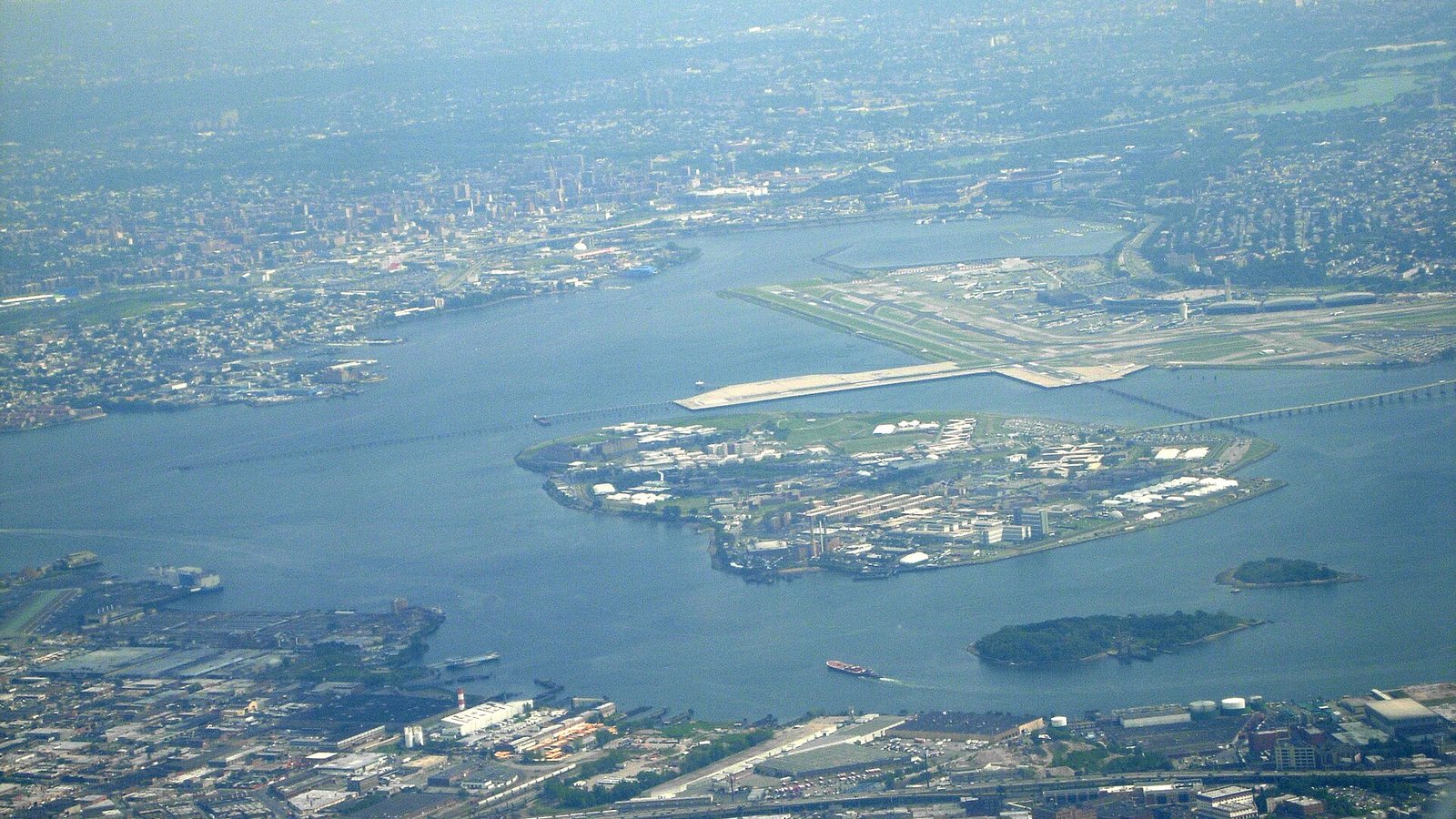
Rikers is an island in the East River next to LaGuardia Airport, and it has long been a symbol of violence, overcrowding and dysfunction. A federal judge has cited "abnormal and unacceptable" conditions and appointed an outside manager to oversee reforms.
In 2019, the City Council voted to close the complex and replace it with newer jails in the boroughs by 2027. Later, officials proposed shrinking the jail population to make that possible. Critics said that approach risked releasing more violent offenders onto the streets.
Mamdani, a Democrat, said the longer timeline was needed partly because of resistance from the previous administration. The AP reported that former Mayor Eric Adams opposed both federal oversight and the borough-jail plan. Mamdani described Rikers as a place New Yorkers had long "turned our eyes away from," and said what would make this attempt different was "our commitment to see it through." He said the plan was developed in coordination with the federal monitor, who will help with implementation.
Reactions
City Council Speaker Julie Menin praised the plan, saying that after years of delay "we are finally getting back on track." Her support matters, because the Council must vote to move the legal deadline.
Department of Correction Commissioner Stanley Richards, who was once incarcerated at Rikers, said the system should be built on dignity and that both people in custody and staff have been overlooked. He argued that unnecessary pretrial detention can cost people their jobs and homes and lead to rearrest, and that long court delays also hurt victims who are waiting for justice.
Not everyone is satisfied. CBS News New York reported that critics question whether the city can safely reduce its jail population and finish construction on schedule. Jan Lee, founder of Neighbors United Below Canal, said the plan does not address the concerns of residents who live near the Manhattan site, including night-time drilling, heavy trucks on narrow streets and the burden on elderly neighbors and families. She said she hopes the Council will take those concerns up.
What happens next
The key step is the City Council vote on a new closure date. Until it acts, the 2027 deadline remains the law, and the city will be out of compliance with it. Beyond that, the plan's success depends on factors the mayor does not fully control:
- Court speed. Shorter stays require faster cases, which depends on judges, prosecutors and defense lawyers as well as City Hall.
- Construction. Each borough jail has its own schedule, and any slip in one pushes back the final closure.
- Public safety. Any high-profile case involving someone released under the new programs would put political pressure on the diversion strategy.
For New Yorkers, the practical effect in the near term is limited: Rikers stays open for at least several more years, and conditions there remain under federal oversight. The longer-term question is whether the city can hold fewer people, for shorter periods, in smaller jails, and make that case to voters in neighborhoods that would host the new buildings.