Iran targets US base in Kuwait and Bahrain after US strike on Qeshm
Iran said it struck Kuwait's Ali Al Salem air base and launched attacks on Bahrain, hours after a US jet hit a Revolutionary Guard missile site on Qeshm Island.
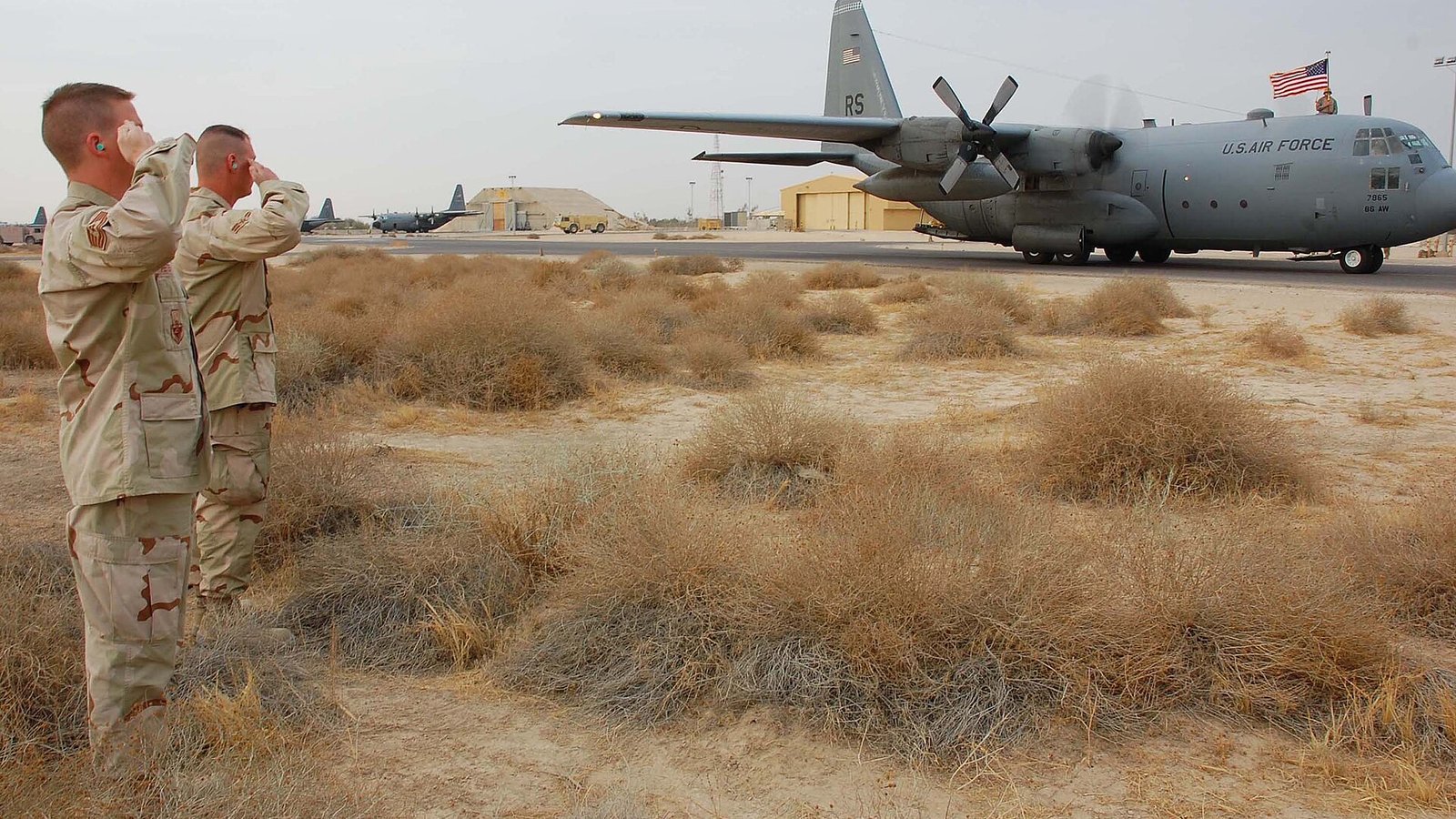
Iran widened its attacks on Gulf states hosting American forces early Wednesday, November 18, targeting a US air base in Kuwait and launching several attacks on Bahrain. The strikes came hours after a US fighter jet hit a Revolutionary Guard missile launch site on Iran's Qeshm Island, in the Strait of Hormuz.
Kuwait and Bahrain both said their air defenses intercepted the attacks. Neither reported damage or casualties, and the US military did not immediately comment.
The sequence of events
The latest exchange followed several days of rising tension, according to the Associated Press:
- On Friday and Sunday, Iran struck US facilities in Bahrain, ending roughly two months without such attacks.
- On Tuesday, Iran targeted a US radar installation at Bahrain's Sheikh Isa air base.
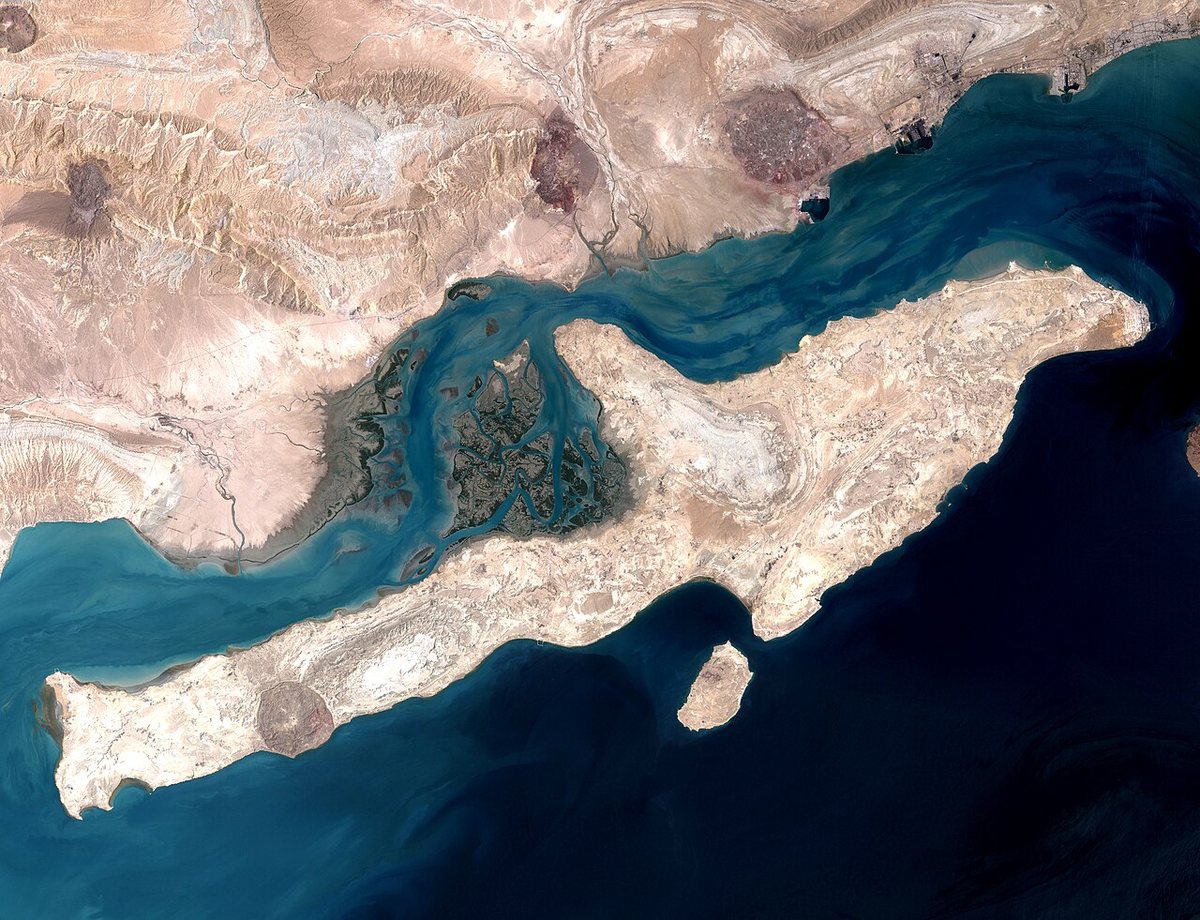
- Later on Tuesday, a US fighter jet struck a Revolutionary Guard missile launch site on Qeshm Island. A US official told Fox News the aircraft "used precision munitions" in self-defense, in response to "IRGC aggression targeting U.S. personnel and assets."
- Early Wednesday, Iran said its army hit air defense systems and drone and missile launch platforms at Kuwait's Ali Al Salem air base, and Bahrain reported intercepting several Iranian aerial attacks.
Separately on Tuesday, an attack on an ADNOC tanker in the Strait of Hormuz left one crew member missing and 11 injured.
Iran has said its recent attacks were a response to US drone surveillance and to an attack on Iranian communications towers.
Kuwait and Bahrain
Kuwait's military said its air defenses were countering hostile drones and that the explosions heard were from interceptions. It reported no immediate damage. Kuwait's Foreign Ministry condemned the repeated attacks as "criminal" and said they threatened the country's security and stability. These were Iran's first attacks on Kuwait in more than two months, Fox News reported.
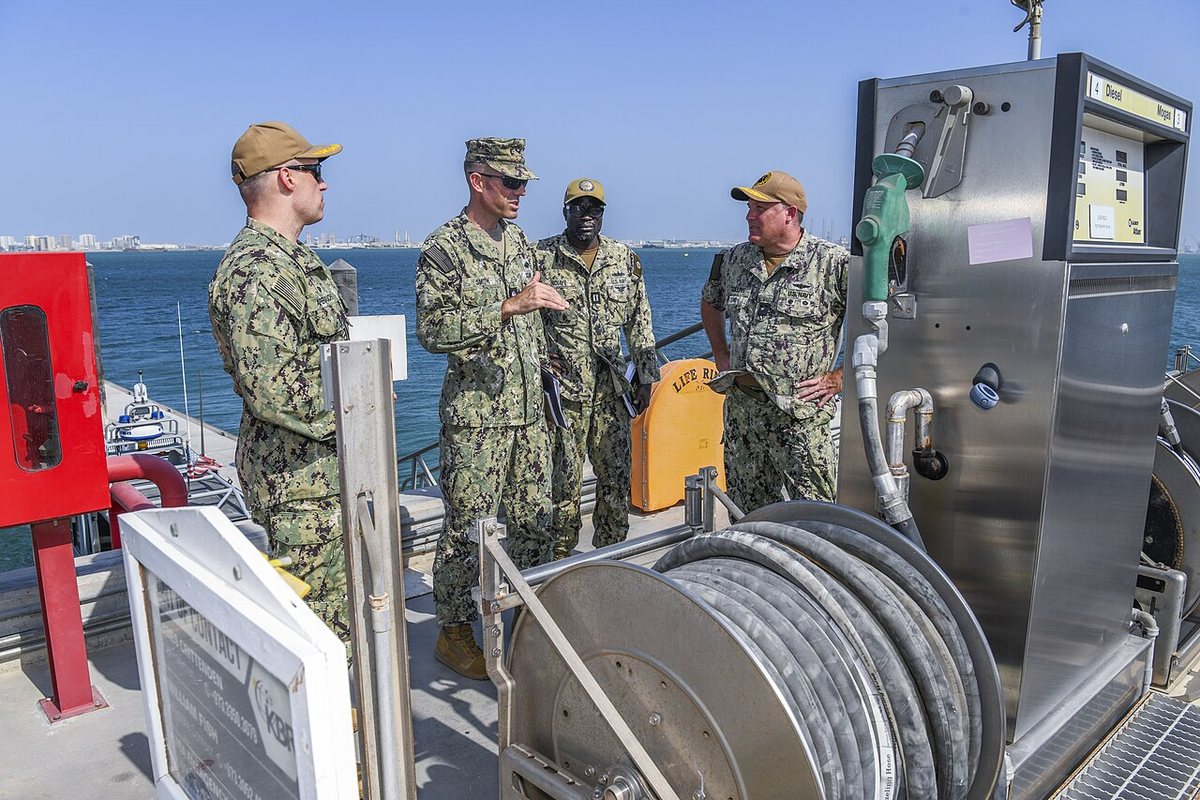
Ali Al Salem has been a frequent target. An AP analysis found the base has been struck at least 30 times during the war, damaging or destroying at least 15 aircraft hangars, numerous warehouses and 10 buildings near a residential area.
In Bahrain, which hosts the US Navy's 5th Fleet, the Interior Ministry issued two shelter alerts before giving the all clear, and the military said it intercepted a number of attacks. Acting Navy Secretary Hung Cao told a Senate committee he could not assess damage at the Navy's regional headquarters in Bahrain because the area is not safe for US officials to visit.
The wider conflict
The war began on February 28, when Israel and the United States attacked Iran. Since then Iran has regularly fired on American facilities and interests in neighboring Gulf countries, as well as energy infrastructure. An AP review found that through August, more than 115 drone or missile strikes by Iran or Iran-backed militias had damaged or destroyed structures at 26 military bases and other sites with US equipment.
Iran's economy is under strain from a US naval blockade. American escorts have helped restore tanker traffic through the Strait of Hormuz, but Iran has continued to attack ships.
President Trump has sent mixed signals. He has said new strikes are highly unlikely, while also sending a third aircraft carrier and thousands more troops to the region. On Wednesday, Adm. Brad Cooper, the head of US Central Command, met Israeli military and intelligence leaders in Tel Aviv. Central Command said it "remains highly vigilant and fully postured to protect Americans across the region."
Why it matters
Analysts quoted by the AP see a deliberate pattern rather than isolated incidents. Danny Citrinowicz of Israel's Institute for National Security Studies said "Iran appears to be pursuing a strategy of deliberate, calibrated escalation," aimed at raising the cost of keeping the blockade in place. He said further escalation would be hard to avoid "as long as the U.S. naval blockade remains in place and no agreement is reached."
Hamidreza Azizi of the International Crisis Group warned that the build-up of incidents on several fronts raises the risk of miscalculation.
The fighting is also not limited to the Gulf. Iran-backed Houthi forces in Yemen have launched missile and drone attacks on Saudi infrastructure, including Riyadh's King Khalid International Airport, and Saudi officials have told allies that conflict could last another six months, according to a diplomat cited by the AP.
Much of the information about the latest strikes comes from Iranian state media and official statements from Kuwait and Bahrain. Independent confirmation of any damage at Ali Al Salem was not available.