Iran hits Bahrain as tankers prepare to run US blockade
Iran says it struck US bases in Bahrain while more than a dozen tankers wait to challenge the US blockade. Qatar is mediating, and the two sides remain far apart.
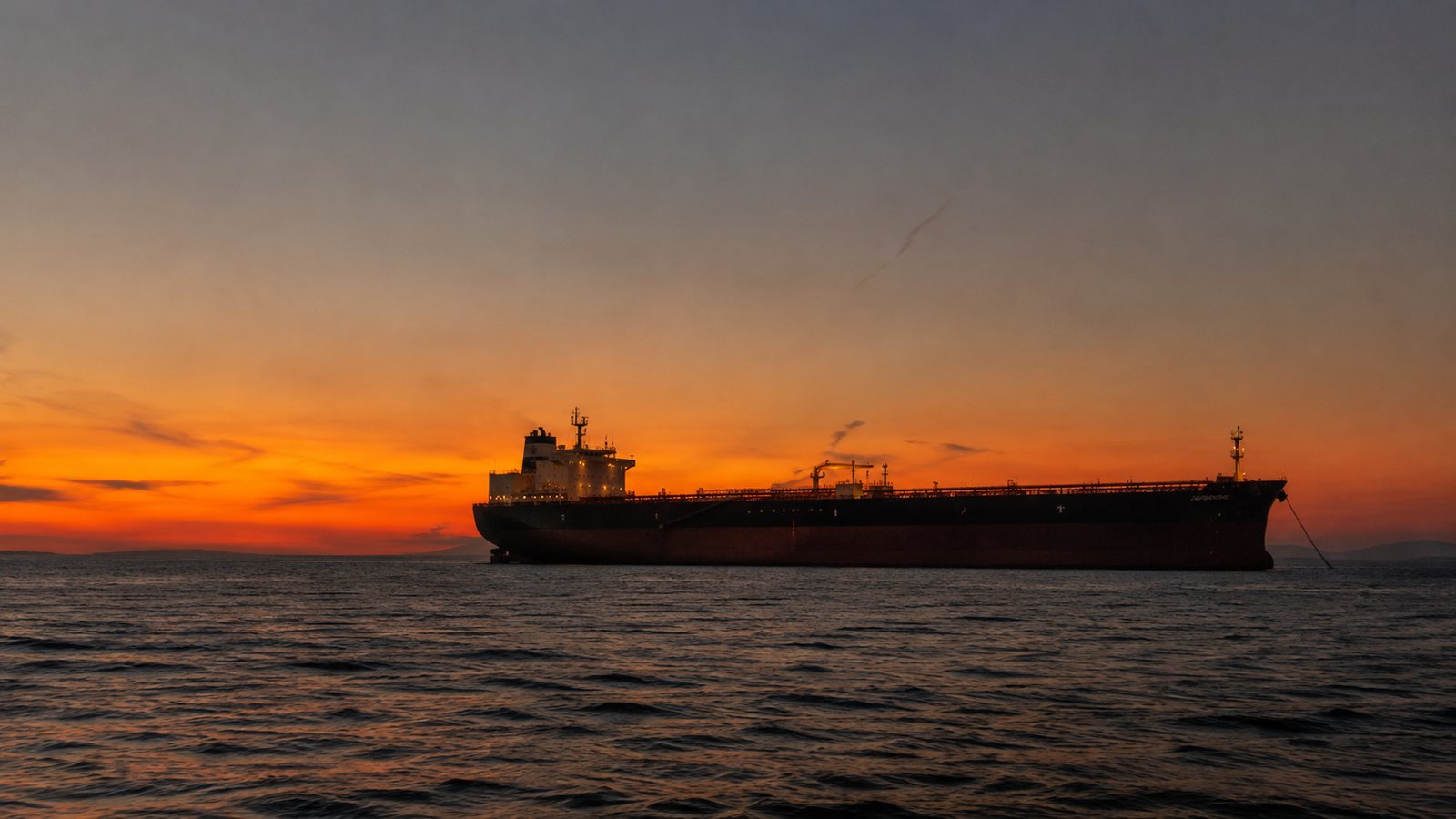
Iran launched missile and drone attacks at US bases in Bahrain on Saturday night, according to Iranian media, while reports say a convoy of more than 14 Iranian tankers is preparing to try to break the US naval blockade of its ports. At the same time, Qatari mediators are quietly testing whether diplomacy has another chance. The week's events show an escalating military picture alongside a narrow diplomatic one.
The attacks on Bahrain
Iranian media reported two waves of drone and ballistic missile attacks on four US bases in Bahrain, home of the US Fifth Fleet. Euronews reports that Iran's Fars news agency named the Sheikh Isa and Juffair bases and described the strikes as a response to continued US incursions into Iranian airspace. The Revolutionary Guards claimed they hit two Patriot air defense batteries and a radar system. Bahrain and the US military have not confirmed that claim.
Bahrain said its air defenses intercepted several of the attacks and called them "heinous Iranian aggression." Its Interior Ministry reported a fire at a civilian industrial compound and material damage. It did not name the facility, and preliminary reports showed no injuries, according to Al Jazeera. Residents were told to shelter. US Central Command denied an Iranian claim that a surface-to-air missile had damaged a US F-16 on Friday.
Bahrain's Foreign Ministry asked the UN Security Council to take firm measures to make Iran comply with Resolution 2817, adopted March 11, which condemns attacks on Gulf states. The Gulf Cooperation Council's secretary-general voiced full solidarity with Bahrain. Al Jazeera notes Bahrain has been attacked repeatedly since the US-Israeli war on Iran began in late February, and was hit by three drone attacks in recent days after a lull of several weeks.
Trouble at sea
Euronews reports at least three oil tankers were attacked in or near the Strait of Hormuz on Saturday. The UK maritime security center UKMTO said two were hit by projectiles while leaving the Gulf, with no casualties reported. Iran's navy said a tanker struck a naval mine east of the strait and caught fire. Iranian state media called the military's overnight operations there its most intense and varied yet.
Hormuz normally carries about a fifth of the world's oil, so any disruption reaches fuel and shipping costs well beyond the region. Iran has restricted shipping through the strait, and the US has imposed a naval blockade on Iranian ports.
The blockade standoff
Reports say more than 14 Iranian tankers are positioned off Kharg Island, ready to run the blockade in the coming days, and Tehran has told Washington the convoy is headed to China. Deputy Foreign Minister Kazem Gharibabadi called the blockade an act of war and vowed "any necessary measures." Euronews says Iran has threatened a fierce military response if the convoy is attacked, including strikes on energy infrastructure across the Gulf. Iranian TV showed ground troops in defensive positions along the southern coast.
President Masoud Pezeshkian described what he called a "silent economic war," which IRNA quoted him as saying is "tougher than a war with missiles." He said the government is working to prevent winter power cuts.
What the diplomacy looks like
A Qatari delegation held about two hours of talks with Iranian officials in Tehran on Friday evening, according to Gharibabadi via Tasnim. He said the contacts are not yet formal negotiations, and that mediators are engaging in person and virtually to see whether diplomacy can work. If formal talks start, nuclear technical issues would be on the table, and Iran maintains its enriched uranium must stay in the country.
Foreign Minister Abbas Araghchi listed Iran's conditions: ending the war on all fronts, unfreezing Iranian assets, lifting oil sanctions and ending the US counter-blockade of its ports. He said reopening Hormuz would be "not difficult" if the US accepts reasonable conditions, and that discussing the strait before then is "pointless."
President Donald Trump told Fox News he wants a "permanent" deal that stops Iran from getting a nuclear weapon, and said he has never sought regime change in Iran. He described Iranian officials as "very, very difficult" and said of past agreements: "We make a deal, and then they break the deal the next day."
Why it matters for US readers
The blockade and the Hormuz restrictions are the pressure points most likely to affect Americans directly, through oil markets and the safety of US forces in the Gulf. The immediate flashpoint is the tanker convoy: if the US stops it and Iran follows through on threats against Gulf energy sites, the conflict could widen. If it passes, it would test how firmly the blockade is enforced.
Neither side has publicly moved off its conditions, and many of the claims in this story, including Iran's account of hitting Patriot systems, come from one party and are unconfirmed. Details are likely to change as the situation develops.