UN court rules Myanmar committed genocide against the Rohingya
The International Court of Justice found by 9 votes to 6 that Myanmar broke the Genocide Convention in its 2017 campaign in Rakhine state. It is the first time the court has found a state responsible for genocide.
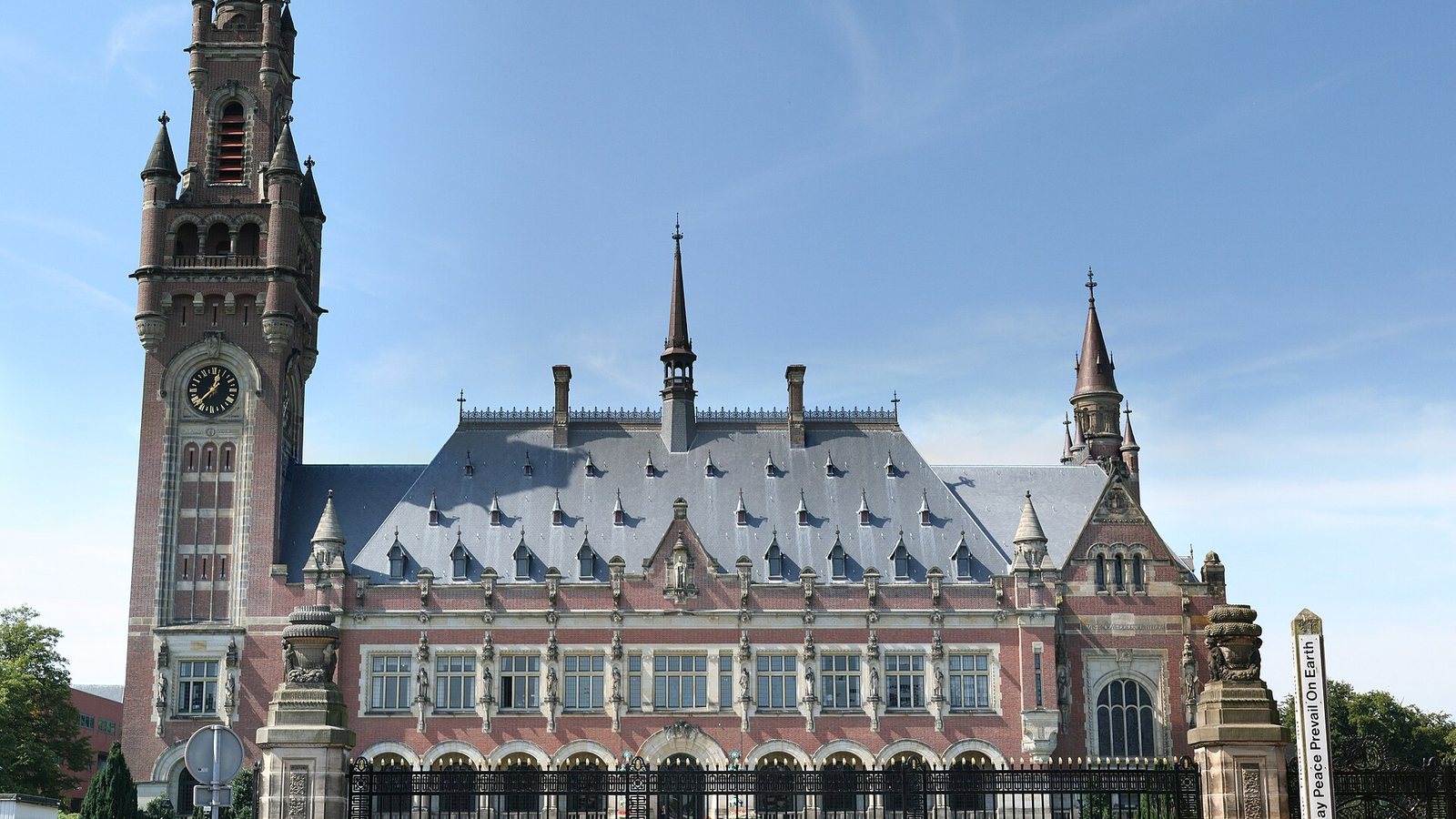
The International Court of Justice (ICJ), the United Nations' top court, ruled on Thursday that Myanmar committed genocide against the Rohingya minority. The judges voted 9 to 6 that the country violated its obligations under the 1948 Genocide Convention. According to Euronews, it is the first time in the court's 80-year history that it has found a state responsible for the crime.
Court President Yuji Iwasawa read the judgment in The Hague over roughly three hours, as reported by CBS News and the Associated Press.
What the court found
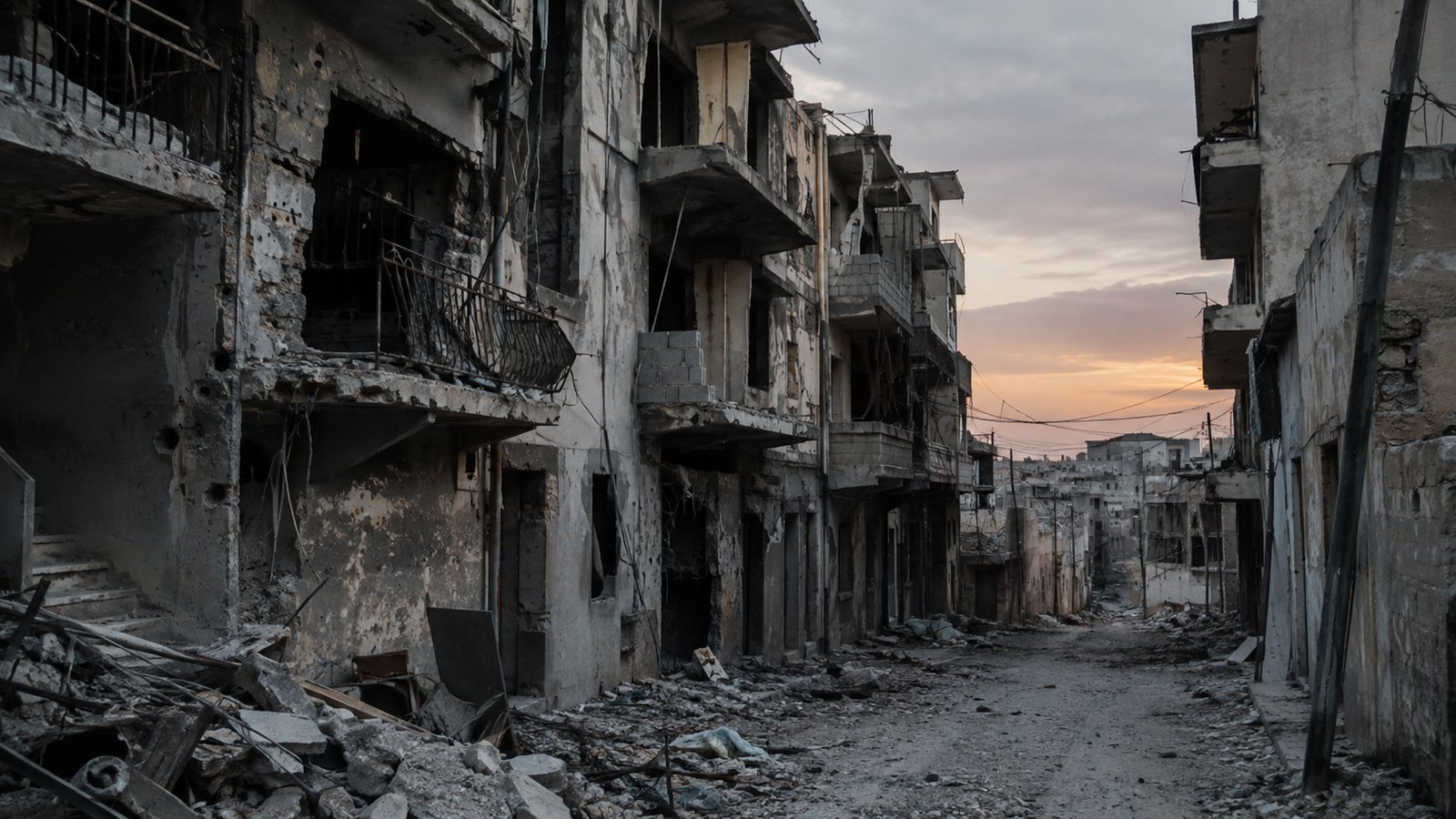
The ruling concerns the Rohingya in northern Rakhine state and the military campaign that began in August 2017. The army launched what it called a "clearance operation" after an attack by a Rohingya insurgent group. The campaign was accused of mass rape, killings and the burning of thousands of homes, and it drove hundreds of thousands of people across the border into Bangladesh.
According to the reports, the court found that:
- Myanmar's security forces killed thousands of Rohingya civilians. The court put the number at about 10,000, according to CBS News.
- Forces committed widespread sexual violence and extreme violence against children.
- Rohingya villages were systematically destroyed, and Euronews reported that some were resettled with non-Rohingya people.
- The only reasonable inference from the evidence was that Myanmar intended to destroy the group in whole or in part. Proving that intent is the hardest legal test in any genocide case.
The court rejected Myanmar's defense that the operation was a legitimate response to insurgents. Myanmar has always denied genocide. At hearings in January, its representative argued that the military was reacting to militant attacks that killed about a dozen security personnel.
What Myanmar is ordered to do
According to Euronews, the court ordered Myanmar to:
- compensate the Rohingya for damage not repaired through restitution, with the amount to be set later;
- allow and facilitate the "safe, voluntary and dignified return" of people who fled; and
- investigate and punish anyone suspected of taking part in the genocide.
The case behind the ruling
The case was brought in 2019 by The Gambia, a Muslim-majority West African country, with the backing of the 57-member Organisation of Islamic Cooperation. The Gambia asked the court to find Myanmar in breach of the convention, order an end to illegal acts against the Rohingya and make sure those responsible are punished. It has also asked for reparations, including full citizenship and the right to return.
The country is not the only one to have used the word. In 2022, then-US Secretary of State Antony Blinken declared that Myanmar's treatment of the Rohingya amounted to genocide. A court judgment carries a different legal weight, though, because it is a binding finding by the UN's principal judicial body.
Reactions
Amnesty International's secretary general, Agnes Callamard, called the ruling "a historic and authoritative recognition of the atrocities" against the Rohingya. Gambian Justice Minister Dawda Jallow said the case was about "real people, real stories."
Yasmin Ullah, a Rohingya rights activist who attended the reading, told the AP it was a great day for the Rohingya and for oppressed people everywhere. She said the community has been left in "limbo" for nearly a decade. In the refugee camps in Bangladesh, a 23-year-old rape survivor told Euronews she wants justice and tougher punishment for the perpetrators. Mohammed Osman, 20, said he hopes to return home to perform last rites for his parents and brother, who were killed by the military.
Why enforcement is the open question
ICJ judgments are final and cannot be appealed, but the court has no police force. Its only recourse if a country ignores a ruling is to report the matter to the UN Security Council, where permanent members can use their veto.
Myanmar's politics add to the doubt. Min Aung Hlaing led the military during the 2017 crackdown, seized power in a 2021 coup against Aung San Suu Kyi's elected government and, this year, was installed as civilian president after tightly restricted elections, Euronews reported. The ruling may add pressure on him and complicate his push for international recognition, but neither report suggested the government was ready to comply.
About 1.2 million Rohingya refugees live in Bangladesh, mainly in crowded camps in the Cox's Bazar district, where fire, disease, monsoon landslides and strict limits on work are constant problems, according to CBS News. A return is not close, and the court did not set a timetable.
What it means beyond Myanmar
Legal scholars said the finding will matter for other cases. Melanie O'Brien, an international law professor at the University of Western Australia, told the AP that genocides tend to follow similar patterns, so the reasoning is likely to be cited elsewhere. Two pending cases stand out: South Africa's case accusing Israel of breaching the Genocide Convention in Gaza, which Israel denies and which is years from a final ruling, and Ukraine's case against Russia. Observers are reading Thursday's judgment for clues about how the court weighs evidence of intent.
In 2007 the ICJ found that Serbia failed to prevent genocide at Srebrenica, where about 8,000 mostly Muslim men and boys were killed, but it did not find Serbia itself guilty of committing it. The Myanmar judgment goes a step further.