Europe's cost-of-living protests: France, Portugal, Spain, Italy
Tens of thousands marched on Saturday over housing, wages and public services, with France in its sixth straight weekend of protests and Portugal's unions targeting a budget vote.
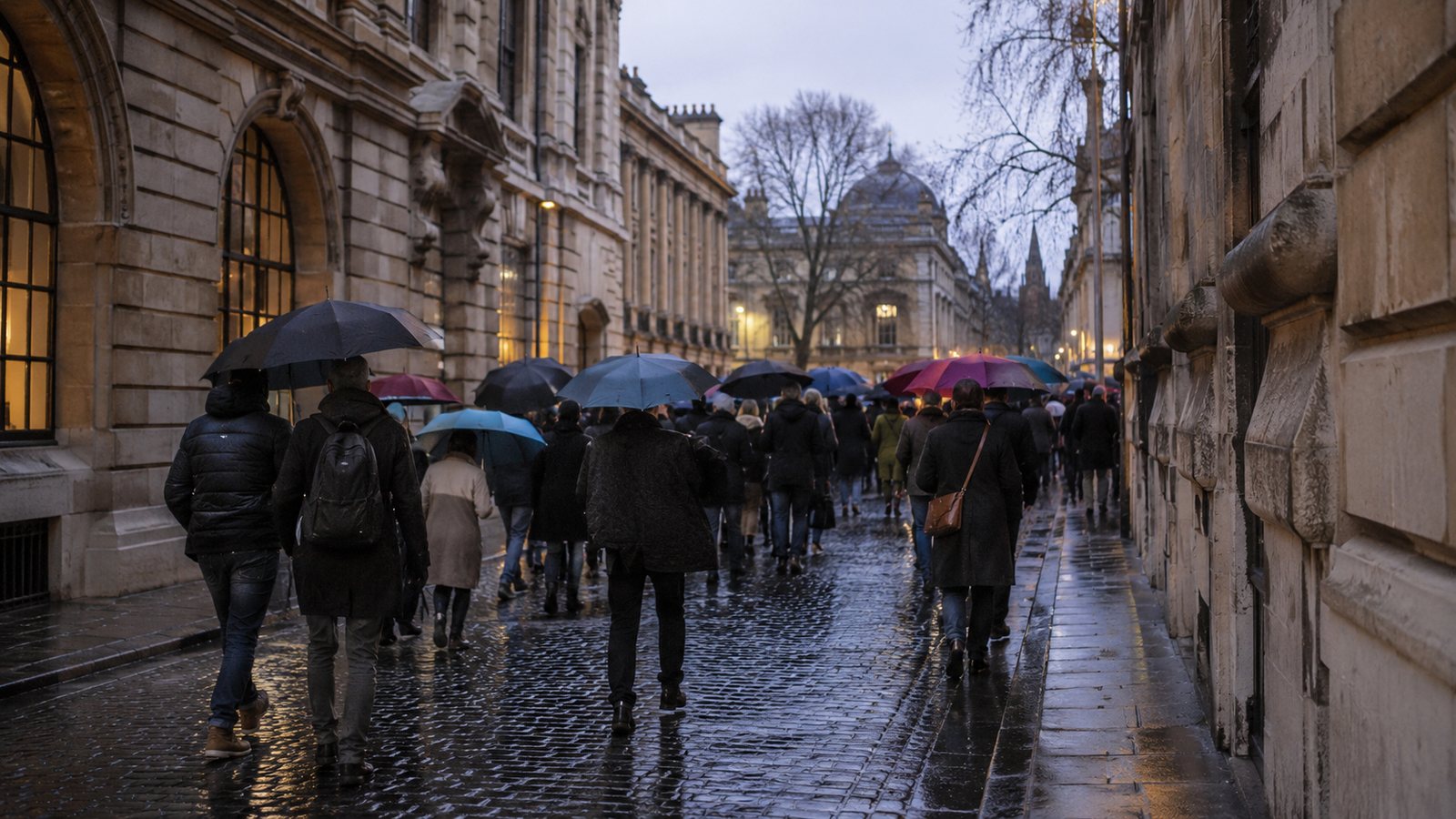
Thousands of people marched across Europe on Saturday over the cost of living, unaffordable housing and cuts to public services. The biggest turnout was in France, where protests have now run for six consecutive weekends, but demonstrations also took place in Portugal, Spain, Germany and Finland, following a day of strikes and youth protests in Italy and other countries on Friday.
France: smaller crowds, sixth weekend
France's Interior Ministry counted 82,500 protesters nationwide on Saturday, including 21,500 in Paris. That is down from 106,000 the previous weekend. Organisers put the figure at 150,000 (45,000 in Paris), compared with 200,000 a week earlier, according to Euronews.
The movement began in September with students demanding better schools. It has since widened to include trade unions and the Yellow Vests, the movement that emerged in 2018 over fuel prices and living costs. Saturday also coincided with the eighth anniversary of the Yellow Vest protests. Demonstrators have also criticised police violence and a new law expanding protections for officers who use firearms, Al Jazeera reported.
About 70,000 security personnel were deployed. Euronews, citing an AFP journalist, said police used tear gas in Lyon to disperse unauthorised marches, after demonstrations were banned across a large area. In Marseille, police counted 4,600 participants and reported sporadic violence. Al Jazeera, citing Reuters, said that in Paris riot police charged protesters in the evening amid smoke, fireworks and a burning car. Euronews described the protests overall as largely peaceful.
Portugal: a march before the budget vote
In Lisbon, thousands marched despite heavy rain. The march was organised by CGTP, the country's largest trade union federation, and people travelled in on special trains from Porto and buses from cities including Aveiro and Faro. Their demands: higher wages and pensions, affordable housing, better public services and lower prices for essential goods. The protest was aimed at the government's proposed budget.
The numbers behind the anger are stark. House prices in Portugal have more than doubled since 2017, and rents for new tenancies have risen sharply. Eurostat data cited by both outlets show average annual earnings in 2025 were 37% below the EU average. A CGTP campaign video put it this way: "They don't know what it's like to have to choose between buying medicine and putting food on the table."
The union plans another rally outside the Assembly of the Republic on Tuesday, November 24, the day of the final vote on the budget proposal.
Spain, Germany, Finland and Italy
In Barcelona, police estimated 3,000 protesters and organisers claimed 5,000, demanding affordable housing and better-funded public education and services. In Madrid, a separate protest, organised with the Marea de Residencias movement, demanded truth, justice and compensation for the 7,291 elderly people who died in care homes during the first Covid-19 wave in 2020. Protesters criticised protocols under the regional government of Isabel Díaz Ayuso that restricted hospital transfers for some residents and called for care homes to be fully publicly run. Critics call those measures discriminatory; the regional government defends its handling of the crisis.
About 4,000 people gathered in Berlin, and the youth campaign Gen Z regelt ("Generation Z takes charge") announced demonstrations in 73 locations. In Helsinki, police reported roughly 200 people at a march organised by left-wing and student groups.
On Friday, the CGIL, one of Italy's main union confederations, held a nationwide strike that disrupted transport, schools and some healthcare services. Protests took place in more than 100 cities, and CGIL leader Maurizio Landini claimed more than one million participants. That figure is the union's own claim. Al Jazeera also mentioned youth protests in Sweden on Friday without giving numbers. Euronews said Friday's wave of student and worker protests reached more than 20 European countries; organisers told Al Jazeera that demonstrations were planned in at least 25 countries as part of an international youth strike.
Different grievances, one theme
The demands vary by country. Students want more education funding and, in some places, climate action; others oppose compulsory military service; unions focus on pay, pensions and rents. What connects them is the sense that everyday costs, especially housing, have outrun incomes.
It is worth keeping the scale in perspective. The French turnout is shrinking week by week by the government's own count, and several of the other marches drew thousands rather than hundreds of thousands. Whether the movement keeps its momentum may depend on events such as Tuesday's Portuguese budget vote and whether French protests continue into a seventh weekend. Separately, thousands also marched in Zagreb, Croatia, on Saturday over the death of a man at a psychiatric hospital, a protest Al Jazeera said was not part of the living-costs movement.