Estonia to close all road crossings with Russia on Dec. 1
Estonia says Russia's military intelligence ordered an arson attempt on a drone maker near Tallinn. Its answer: shut every road border crossing from December 1.
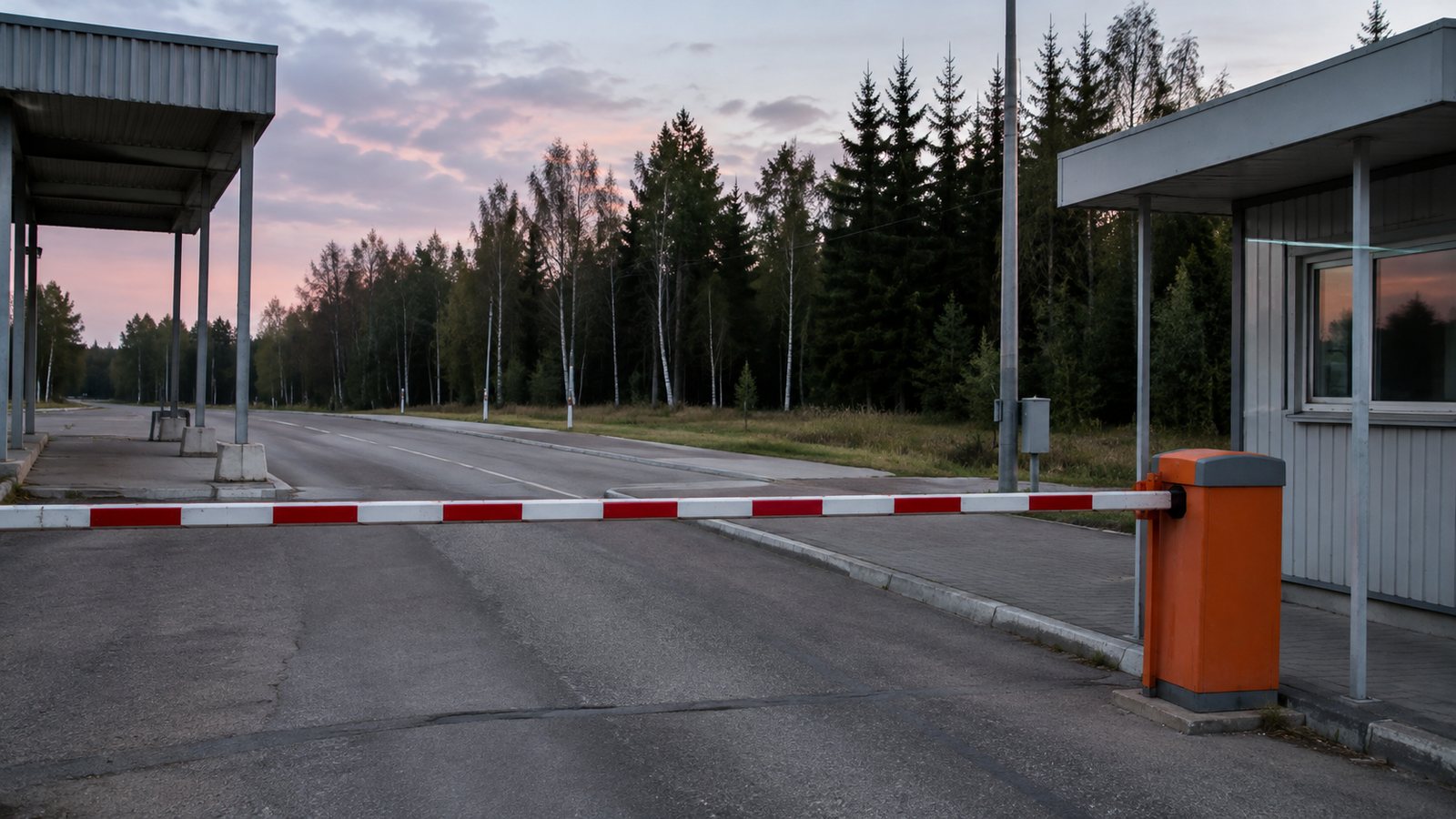
Estonia will close all of its road border crossings with Russia from December 1, after its security service blamed Moscow's military intelligence for an attempted arson attack on a drone manufacturer near the capital. Rail services will not be affected, and the government says it may review the decision in six months, according to Euronews.
The move is one of the sharpest responses yet by a NATO member to what European officials describe as a campaign of sabotage on their territory. Russia denies any role and called the plan "Russophobia."
What happened
In the night of November 14, someone tried to set fire to Threod Systems, a defence company in Viimsi, just outside Tallinn that makes drones. Euronews reports that production and products were undamaged. Eight people were detained in connection with the attack. Latvia's interior minister, Janis Dombrava, told reporters that several "Latvian citizens and non-citizens" were among those arrested and thanked Estonia's Internal Security Service, according to Al Jazeera.
Estonian authorities say Russia's military intelligence agency, the GRU, ordered the attack. Foreign Minister Margus Tsahkna said the GRU gave the order and that Estonia has evidence. The Internal Security Service said Russian security services authorised two attacks on Estonian defence companies this year. Al Jazeera notes that Estonian officials have also accused Russia over an August arson attack on a defence firm that supplies Ukraine.
What Estonia is closing
The government announced the decision on Sunday, November 15. The closure covers all five road crossings, according to Euronews: Narva-1, Narva-2, Koidula, Luhamaa and Saatse. Only three of those, Narva, Luhamaa and Koidula, were in active use before the decision. Russia had already suspended road traffic at Narva in February 2024, though pedestrians could still cross there.
Rail connections stay open. The government may revisit the decision after six months. When the closure was first announced, Tsahkna did not say how long it would last.
Why Estonia says it is doing this
The government described the closure as "a response to Russia's ongoing hostile actions against Estonia and other European countries." Tsahkna wrote that "Russia must understand that hostile actions against Estonia come with consequences." He said closing the crossings would reduce Russia's ability to conduct hostile activities in Estonia and strengthen efforts to stop sanctions circumvention.
Marko Mihkelson, who chairs the Estonian parliament's foreign affairs committee, called Russia's campaign a "shadow war" and described border closures as an asymmetric response. He said the arrests showed Estonia could react quickly.
Prime Minister Kristen Michal said Estonia would not let Russia exploit its openness. The picture inside Estonia's government is not entirely uniform, though. President Ülle Madise urged the cabinet not to act under emotional pressure, while acknowledging that the closure would add to the workload of the security agency Kapo, Euronews reports.
How Russia responded
A Russian foreign ministry spokeswoman told the state news agency TASS the plans were "yet another bout of aggressive and unrestrained Russophobia." Russia's Foreign Ministry has denied involvement in sabotage attacks in Europe.
The wider pattern
Estonia is a member of both the EU and NATO and one of Ukraine's most vocal supporters. It is not the first country on Russia's western edge to restrict the frontier. Finland closed its land border with Russia in December 2023, and Latvia, Lithuania and Poland have sharply reduced the number of crossings on their eastern borders in recent years, Euronews notes.
For ordinary people the effect is likely to be practical rather than dramatic. With Narva already closed to vehicles and only a few crossings in use, the main change is that the remaining road links, Luhamaa and Koidula, go dark. Neither article details how residents with family or property on the other side will be handled, or what the closure means for trade. Those are open questions the Estonian government has not yet answered in the reports reviewed here.
Why it matters beyond Estonia
Sabotage attributed to Russian intelligence has become a recurring worry for European governments, and defence companies that supply Ukraine are an obvious target. Estonia's reasoning is that an open land border lets people and goods move easily at the same time as it gives hostile services a route into the country. Closing the crossings does not stop a determined operation, but it raises the cost and gives Estonia a clearer picture of who is entering.
The arrests also show the role of cross-border cooperation. Latvia's interior minister publicly thanked Estonia's security service, and the suspects reportedly came from Latvia rather than Russia, which is a reminder that such operations often use recruits from third countries instead of Russian officers.
What to watch next
- Prosecutions. Eight people were detained; whether charges follow, and in which country, will show how much of the case Estonia can prove in court.
- Moscow's reaction. Russia has so far responded with words. Any retaliation affecting Estonian citizens or businesses would escalate the standoff.
- Other capitals. If Estonia's evidence is made public, other NATO members facing similar incidents may adopt comparable measures.
- The six-month review. The government has left itself room to reverse course, which suggests the closure is meant as pressure as much as a permanent policy.