Colombia quits fossil fuel coalition it founded, ends Amazon ban
Under President Abelardo de la Espriella, Colombia has left the Santa Marta coalition on phasing out fossil fuels and revoked a ban on new mining and oil projects across its Amazon region.

Colombia, the country that launched an international push to phase out fossil fuels earlier this year, has withdrawn from the coalition it created. The move, confirmed by Ireland's climate department, comes weeks after Colombia's new government revoked a ban on new mining and oil and gas contracts across its Amazon region.
Both decisions reverse signature policies of former president Gustavo Petro and were made by his successor, Abelardo de la Espriella, who took office in August promising to strengthen the oil and gas industry and revive exploration. They are drawing attention at the COP31 climate summit in Antalya, Turkey, where the coalition is pressing ahead without its founder.
Leaving the Santa Marta coalition
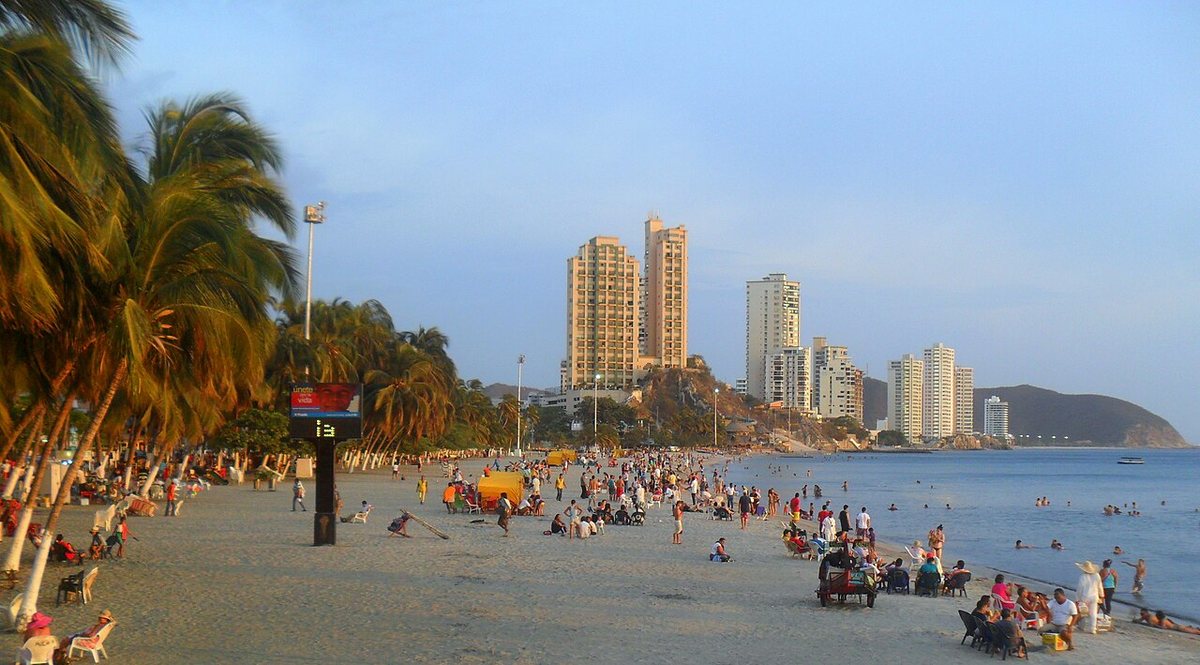
The coalition grew out of a conference Colombia hosted in April in the Caribbean city of Santa Marta, which brought together representatives of 57 countries. The aim was to turn the global pledge to "transition away" from coal, oil and gas, agreed at COP28 in Dubai, into concrete national plans. The process was deliberately informal, with no binding agreements or deadlines.
According to the Associated Press, Ireland's Department of Climate, Energy and the Environment confirmed Colombia's withdrawal. Colombia's Environment Ministry and presidential office did not respond to the AP's questions about the decision.
Leadership of the group is passing from Colombia and the Netherlands to Ireland and Tuvalu, with a formal handover planned at COP31. A second conference is scheduled for July 2027 in Tuvalu. "This process is bigger than any one country," the government department said, according to the AP.
The coalition is expected to publish a progress report at COP31. The International Institute for Sustainable Development says 23 countries have announced or are developing national or regional road maps for moving off fossil fuels. "Planning is the first step towards delivering the transition," said Natalie Jones of the IISD.
The Amazon reserve is revoked
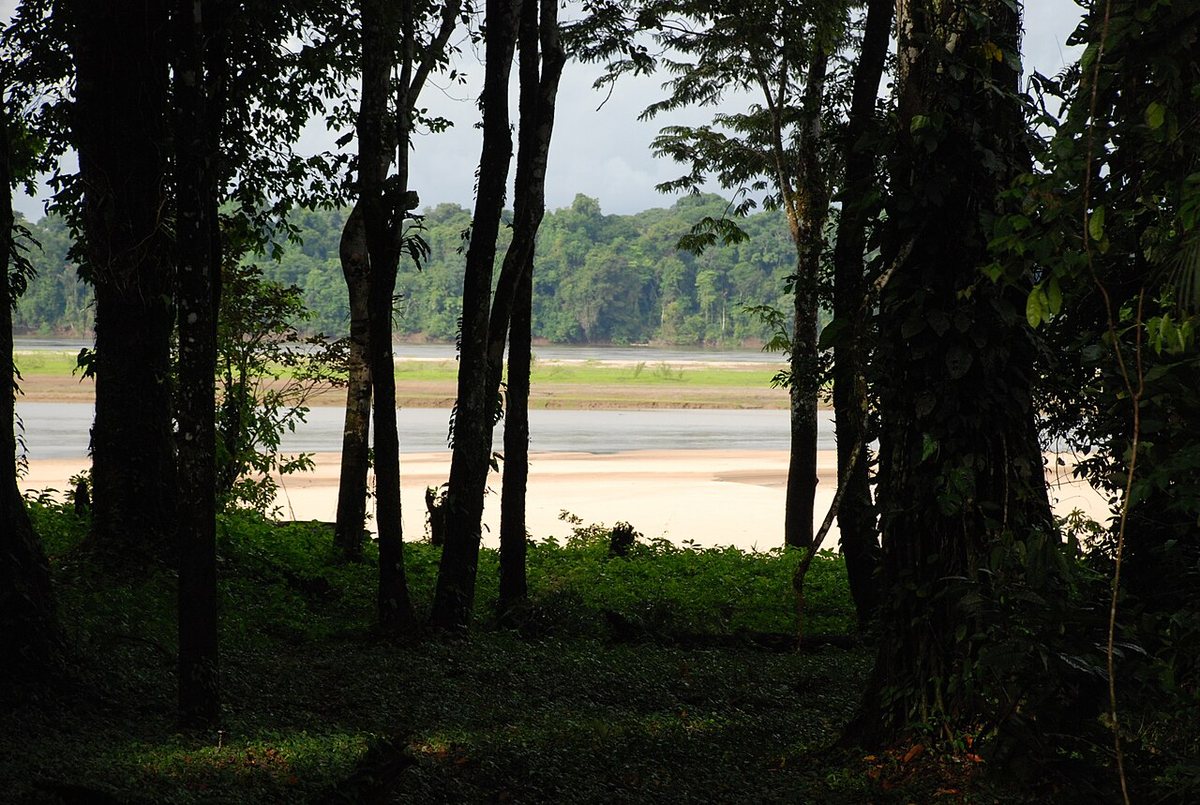
The second reversal concerns the Amazon. In August, in the last days of Petro's government, the Environment Ministry issued Resolution 0961, which declared the Colombian Amazon biome, about 483,000 square kilometers or roughly 42% of the country, a permanent reserve. It barred new mining concessions and new oil and gas exploration and production contracts across the whole area.
The new government revoked that resolution in an administrative act dated October 23 and announced on October 26, according to the news site Colombia One. The ministry argued that prior consultation had not been completed with Black, Afro-Colombian, Raizal and Palenquero communities that could be affected, which it said undermined the measure's legal validity.
Environment Minister Fabio Arjona also argued that a broad resolution was not an effective tool against illegal mining, deforestation and land grabbing. "Resolution 0961 did not, on its own, guarantee effective protection of the Amazon biome," he said.
The government stresses that the revocation does not itself authorize any extraction. Projects still need environmental licenses, national parks keep their protections, and other legal safeguards, including a 1959 forest reserve law and court rulings recognizing the Amazon as a subject of rights, remain in force. The ministry has said it may adopt new protective measures after consultations.
The government's case on energy
Arjona said in recent days that Petro's restrictions on gas exploration contributed to domestic shortages and pushed some industries toward more polluting fuels, according to the AP. He argued that more natural gas would lower emissions by replacing dirtier fuels and would improve energy security. Colombia is Latin America's largest coal exporter and a significant crude oil exporter.
Critics call it a setback
Former officials from the Petro government have criticized both moves. Irene Vélez-Torres, a former environment minister who co-chaired the Santa Marta conference, described the changes as "an ecocide taking place in Colombia" in an interview with Democracy Now! at COP31. She warned of risks to water supplies, noting that water from the Amazon region flows toward Bogotá.
She also told the AP that the coalition would survive the change of government. "Santa Marta has a life of its own, beyond the change of government in Colombia," she said.
Why it matters
Colombia had been one of the few fossil fuel producers willing to stop issuing new exploration licenses, which gave its climate diplomacy unusual weight. Its exit removes the coalition's most prominent producer-country champion just as negotiators at COP31 debate whether to formally recognize a voluntary global road map for the fossil fuel transition published by Brazil's COP30 presidency.