Cape Verde's President Neves wins second term in first round
Provisional results show José Maria Neves re-elected with about 64% of the vote, defeating former justice minister Joana Rosa, the first woman to run for president in Cape Verde.
Cape Verde's President José Maria Neves has won a second five-year term, according to provisional results from the island nation's presidential election on Sunday, November 15. With most polling stations counted, Neves had about 64% of the vote, well above the majority needed to avoid a runoff. His main challenger, former justice minister Joana Rosa, received roughly 31% and conceded defeat, saying she had already congratulated him.
The National Electoral Commission is expected to announce official results this week. Four other candidates each received a small share of the vote.
Who ran
Neves, 66, represents the center-left African Party for the Independence of Cape Verde (PAICV), the country's oldest party. He served as prime minister for 15 years before being elected president in 2021, a first-round victory that marked the PAICV's first presidential win since 2006.
Rosa, 61, was backed by the center-right Movement for Democracy (MpD) and served as justice minister from 2021 until this year. She was the first woman to run for president in Cape Verde. In conceding, she said her candidacy would help advance gender equality in the country, according to allAfrica.
The four remaining candidates ran as independents, and none came close to challenging the two front-runners.
How the election works
Cape Verde elects its president directly for a five-year term using a two-round system. A candidate who wins more than half of the valid votes in the first round is elected outright; otherwise the top two go to a runoff. Voters registered abroad take part alongside those at home, and ballots were cast at roughly 1,300 polling stations in the islands and overseas, according to allAfrica.
To stand, candidates must be citizens of Cape Verdean origin, be over 35 and have lived in the country in the years before running. Their candidacies are submitted to the Constitutional Court with supporting signatures from voters. Neves cleared the 50% threshold comfortably, so no second round will be needed this time.
Low turnout
Participation was a notable feature of the vote. Fewer than one in three registered voters cast a ballot, according to results announced on state television.
Neves linked the high abstention partly to people moving between the country's islands without updating their registration. He called for the voter rolls to be updated and for electronic voting to be introduced, according to allAfrica.
Why the vote matters
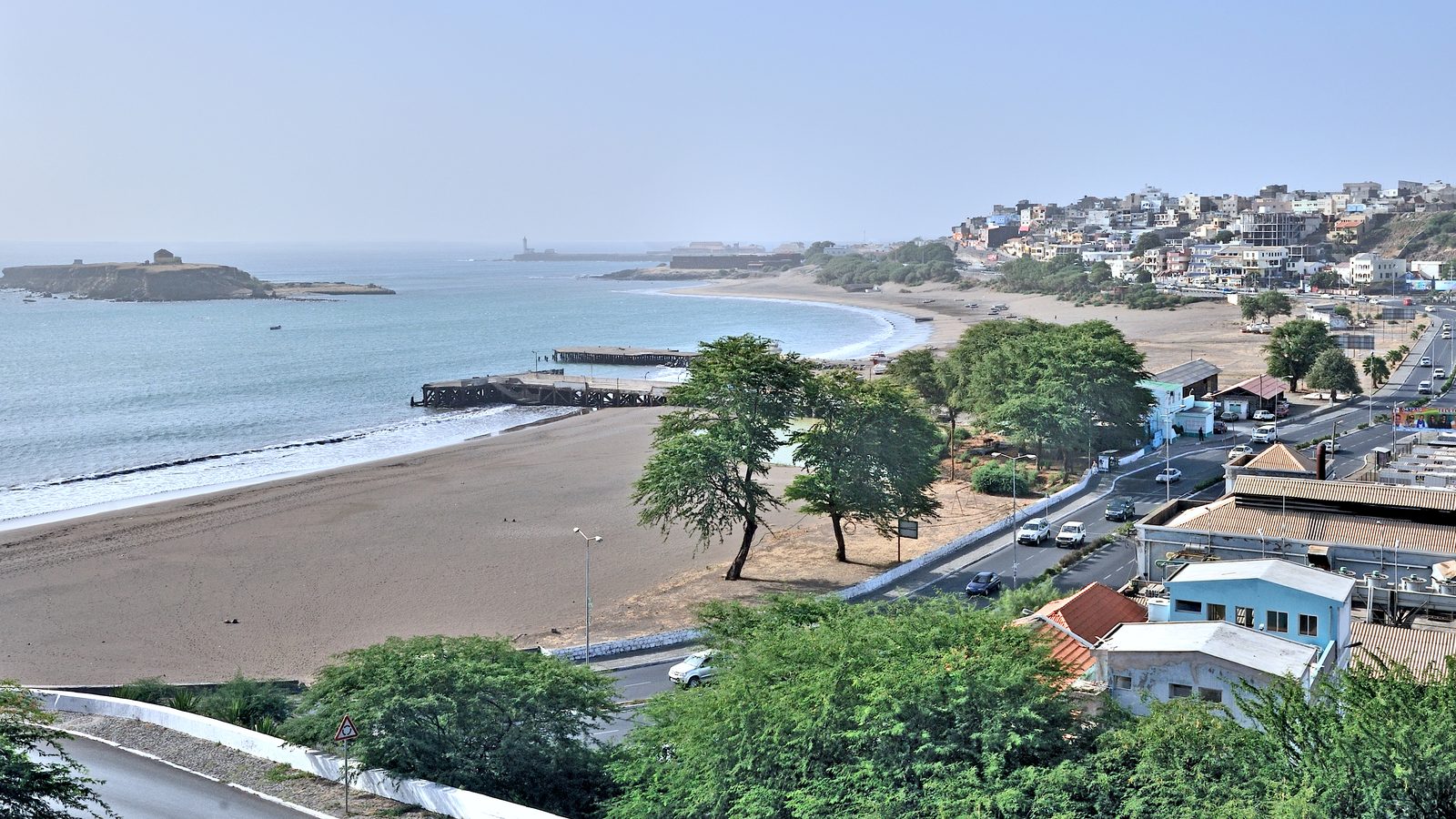
Cape Verde, an archipelago in the Atlantic Ocean roughly 600 kilometers off the coast of West Africa, is a former Portuguese colony with about 500,000 residents. Many more Cape Verdeans live overseas, mainly in the United States and Portugal. The country is widely regarded as one of Africa's most stable democracies.
The country uses a hybrid political system. The prime minister leads the government and runs day-to-day policy, while the president holds significant powers, including the ability to veto legislation.
That balance has shaped recent politics. During Neves's first term, he shared power with an MpD government led by Prime Minister Ulisses Correia e Silva, an arrangement often described as cohabitation. That changed in May, when the PAICV won the legislative elections and ended a decade of MpD rule. The party now holds both the presidency and the government, under Prime Minister Francisco Carvalho.
Issues on voters' minds
Neves campaigned on creating more jobs for young people, an issue that has dominated public debate. Since the Covid-19 pandemic, many young graduates and trained professionals have left the islands for work abroad, contributing to labor shortages at home.
Other campaign topics included the cost of living, fuel prices, air and sea connections between the islands, and tourist accommodation.
With his party now in control of both the presidency and the government, Neves begins his second term without the cohabitation that defined most of his first, and with voters expecting progress on jobs and emigration.