Waymo halts freeway rides everywhere after California DMV order
California's DMV barred Waymo's driverless cars from state freeways, citing an 'imminent hazard to public safety.' Waymo has paused freeway driving in all its markets while it works with regulators.
Waymo has stopped driving its robotaxis on freeways in every city where it operates, after California's Department of Motor Vehicles ordered the company off the state's freeways. The DMV said the vehicles pose an "imminent hazard to public safety." Waymo's regular ride-hailing service on city streets continues.
What the DMV ordered
The DMV announced the restriction on Tuesday, November 17, and made it effective from November 11, according to Scripps News. Fox 11 Los Angeles reported the same order, saying the department concluded the company's vehicles are a danger to the public after recent incidents involving construction zones and highway traffic control.
According to Scripps News, the restriction stays in place until Waymo addresses the safety lapses the DMV identified. Neither report spelled out the exact conditions Waymo must meet to come back, and no end date has been given.
The incidents behind it
Scripps News lists two episodes:
- Three Waymo vehicles drove into an active construction zone on US Route 101. Waymo told reporters nobody was hurt and there were no collisions.
- Earlier this month, a Waymo vehicle tried to pass California Highway Patrol cars that were conducting a traffic break on Highway 280. A traffic break is when officers slow or hold traffic on a freeway, usually to clear a hazard.
The DMV also said Waymo vehicles have repeatedly entered active construction zones, putting workers, other drivers and equipment at risk.
Waymo's response
Waymo said it "temporarily restricted freeway operations across our other operating markets to evaluate our performance," according to Fox 11. A spokesperson told Scripps News the company is working with the DMV and other state officials to resume freeway service. Waymo described the incidents as largely isolated and pointed to its own data showing 95% fewer crashes involving serious injuries or worse than human drivers.
That safety figure is the company's own claim, and the DMV's order shows regulators are not simply taking it at face value.
Which cities are affected
Waymo operates in 13 US areas, according to Scripps News, and offered freeway rides in five of them: the San Francisco Bay Area, Los Angeles County, Phoenix, Miami and Austin. All five have now lost freeway access. Only the California portion is a legal ban. The pauses in Phoenix, Miami and Austin are Waymo's own decision.
Not the first freeway pause
This is the second freeway restriction in California this year. In May, Waymo paused freeway service in San Francisco and Los Angeles to improve how its vehicles handle construction zones, Scripps News reports.
Waymo had announced plans last year to expand onto freeways in the Bay Area, Los Angeles and Phoenix. Fox 11 notes the company has faced earlier scrutiny over pedestrian injuries, crashes and vandalism, and that this month it also faced a federal investigation after recalling nearly 3,000 vehicles over continued school bus traffic violations. Scripps adds that a June CNN analysis described hundreds of incidents in which robotaxis allegedly ran red lights, entered oncoming traffic, drove into active crime scenes, ignored emergency road closures or came close to pedestrians.
What it means for riders
If you use Waymo, expect two changes. Trips that previously used a freeway will go onto surface streets, which can mean longer ride times and, in some cases, different routes. Airport and cross-town trips are the ones most likely to be affected, though neither report gave specifics on how routing or fares will change.
Nothing in the DMV order stops Waymo from carrying passengers on city streets, and the company said that service continues.
Why freeways are hard
Freeways look easier than city streets, with no pedestrians, no traffic lights and clear lanes. But speeds are higher, and the margin for error is smaller. A construction zone with shifted lanes, cones or a flagger requires the car to read temporary signals that do not match the map it carries. Police traffic breaks are another unusual case, because the correct behavior is to slow and stay behind officers, not to pass them. The incidents cited by regulators fall into exactly these categories: temporary, irregular situations rather than normal driving.
What to watch next
Two questions matter. First, what evidence will California's DMV require before it lifts the order? Neither report said. Second, whether other states' regulators follow California's lead, given that Waymo's pauses elsewhere were voluntary. For now, the company says it is working with officials to bring freeway service back, and the DMV order has no stated expiry.
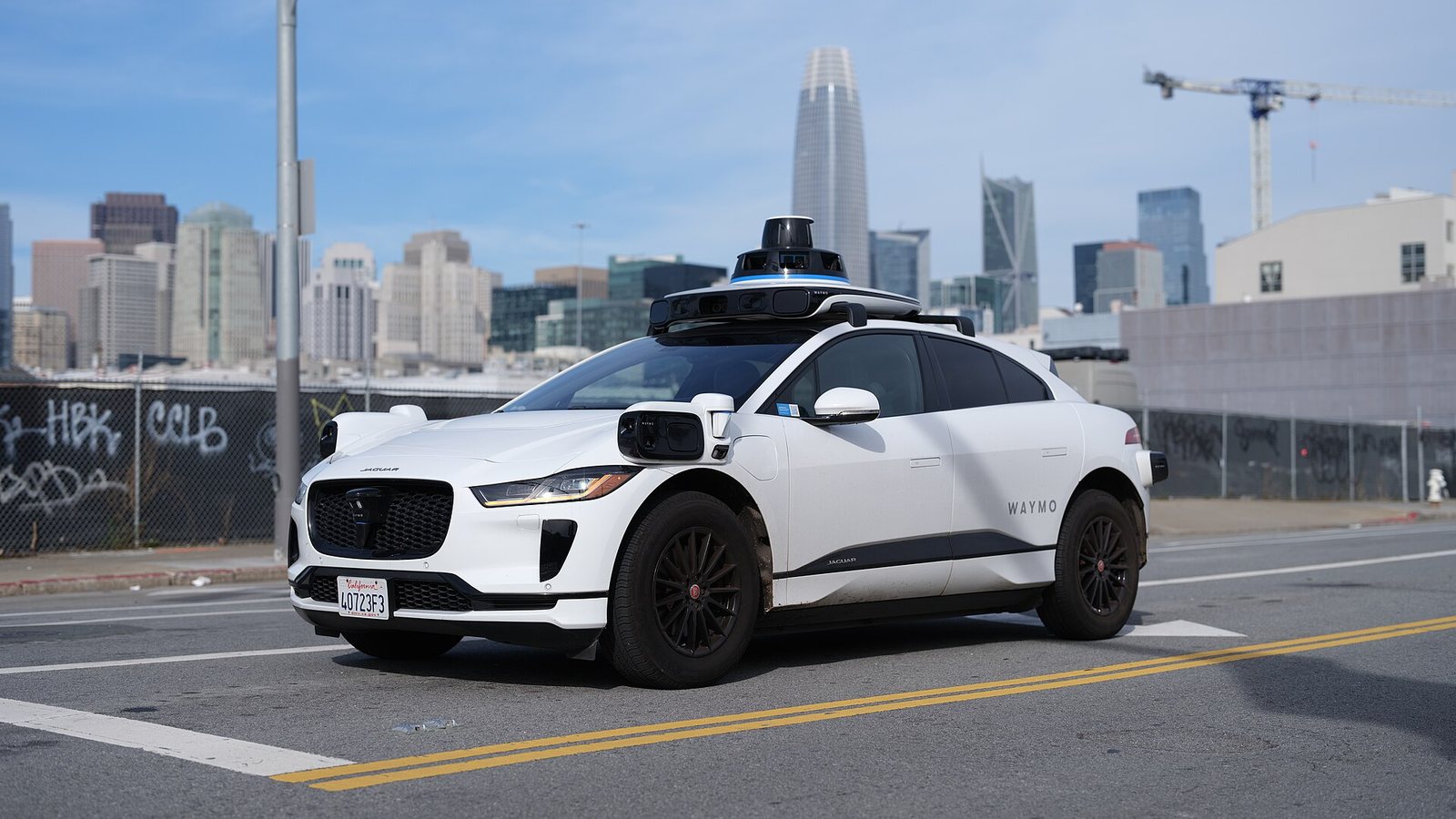
The cover photo, taken in San Francisco in 2023 by Dllu, is an archive image of a Waymo vehicle and does not show the incidents described.