US approved 879,000 AI chips for China; Bessent says no new limits
A House committee says Commerce approved about 879,000 Nvidia and AMD chips for Chinese firms. Treasury Secretary Bessent says current limits are enough. What the numbers show and what is unclear.
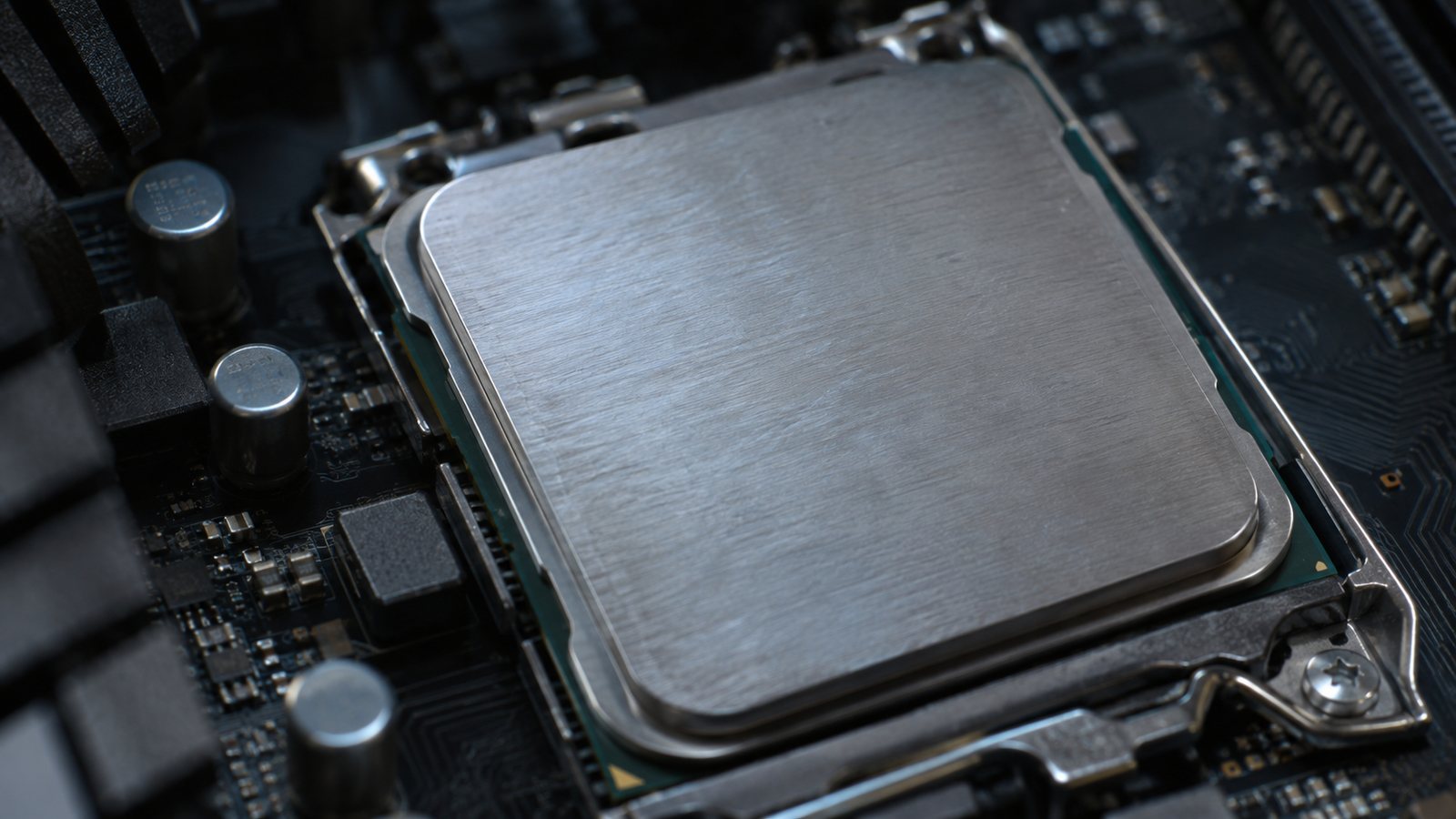
The Trump administration approved licenses for about 879,000 advanced AI chips from Nvidia and AMD to be sold to Chinese companies in the first half of this year, according to data released by the House Foreign Affairs Committee. On Friday, Treasury Secretary Scott Bessent said no further restrictions on sales of these older chips are needed.
The two statements sit side by side in a week of unusually heavy scrutiny of US chip policy toward China. Here is what the committee released, what Bessent said, and what the figures do and do not show.
What the committee released
The House Foreign Affairs Committee said on Thursday that the Commerce Department's Bureau of Industry and Security approved about 879,000 chips between December 2025 and May 2026. Companies had asked for permission to ship 3.4 million chips in that period, so roughly a quarter of the requested volume was approved.
The chips covered are Nvidia's H200 and AMD's MI325X, which the committee's data treats as roughly comparable. Both are a step behind the newest hardware Nvidia and AMD sell elsewhere, which is why the administration has framed their export as manageable.
Committee chair Brian Mast used his authority under export control law to make the license data public. The committee described the move as an effort to "publicly reveal export control license application information," which is normally confidential.
Which Chinese companies were approved
The data lists approvals for several large Chinese technology groups:
- Tencent and its subsidiaries: 150,000 chips
- Alibaba: 75,000
- Baidu: 43,000
- BYD: 4,000
According to the committee, all four appear on the Pentagon's list of companies it says have ties to the Chinese military. Being on that list does not in itself bar a company from receiving exports, but it is the reason lawmakers have pushed for closer review.
A key caveat: an approved license is not a completed sale. Reporting on the release says it is unclear how many of the approved chips were actually shipped to China. Earlier this year, Commerce officials told Congress that actual H200 shipments had been "very few."
What Bessent said
Bessent spoke in a CNBC interview after returning from Asia with President Trump. "The proper chip restrictions are in place," he said, and he added that "the remote access has been curtailed."
The remote-access point matters. Chinese firms that cannot buy top chips directly can still rent computing power from data centers abroad that hold them. A rule reported earlier this week aims to close that route. Bessent's comments suggest the Treasury Department considers that gap addressed and sees no need for tougher export limits on the older H200 class.
The Megaspeed backdrop
The numbers landed in the middle of a broader controversy around Nvidia. Nvidia CEO Jensen Huang stepped down earlier this month amid allegations of an affair with an executive at Megaspeed, a Singapore company that provides computing power that Chinese customers can reach remotely. A former Megaspeed executive was reportedly suspected by US intelligence of spying for China, and Megaspeed is under US investigation over whether restricted chips were diverted to China. The company's allegations and the investigation have not been resolved in public.
That has renewed calls in Washington for a tougher approach, and it exposed friction inside the administration. Bessent publicly criticized Commerce Secretary Howard Lutnick, saying his own department wanted export controls on Megaspeed but that Commerce was in charge and had been slow to act. President Trump said he has "not lost confidence" in Lutnick and praised his business instincts.
How the companies and Commerce responded
Nvidia said the approvals came with strict conditions and limited volumes, that its H200 shipments to China were legal and authorized, and that it stopped H200 shipments to China earlier this week despite prior approvals. AMD said it complies with US export control laws and maintains rigorous compliance processes.
A Commerce spokesperson said the department has a long record of transparency with Congress on H200 licensing, and that its approach follows a January rule that requires additional national security conditions for case-by-case review.
Why it matters
For most readers, the practical effect is indirect, but real:
- Policy direction: The data shows the administration has chosen to license sales of second-tier AI chips to China rather than ban them, a sharp contrast to the tighter approach of earlier years.
- Congressional pushback: Releasing license data publicly is an escalation by a committee chaired by a member of the president's own party, and it signals that Republicans in Congress want a say in these decisions.
- Industry exposure: Nvidia and AMD both depend on global demand for AI hardware. China is a large potential market, but sales there now carry political and legal risk, which is why Nvidia says it paused shipments.
What to watch next
Three questions remain open. First, how many approved chips were actually delivered, since that is the number that determines real-world impact. Second, whether the Commerce Department changes its licensing conditions in response to the committee's findings. Third, what the Megaspeed investigation concludes about whether controlled chips reached China through intermediaries.
For now, the official position is that the existing rules are enough. The committee's data gives critics specific company names and volumes to challenge that claim.