Uber breach exposes license data of nearly 150,000 drivers
Hackers used stolen credentials from AI vendor Fireworks AI to reach Uber data, taking driver's license images, addresses and birth dates. Uber is notifying affected drivers.
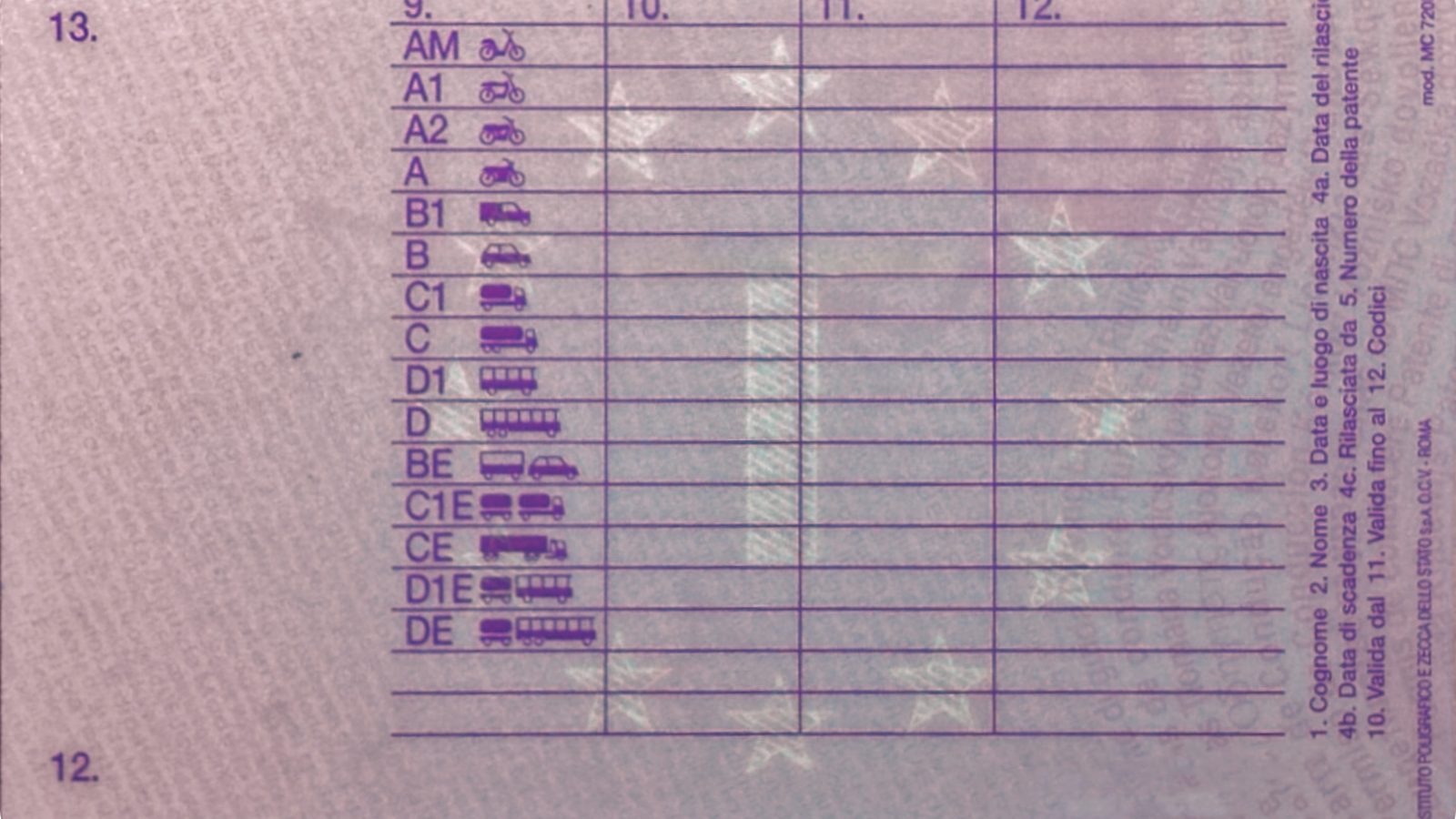
Uber is notifying close to 150,000 drivers that their personal information, including images of their driver's licenses, was stolen in a breach that began at one of its technology vendors. In filings with state attorneys general, Uber put the number of affected people at 149,346. The company confirmed to TechCrunch that the vendor was Fireworks AI, a cloud platform that lets developers run and fine-tune open-weight AI models.
The case is one of the clearest examples so far of how the rush to plug company data into outside AI services can widen the attack surface for sensitive records.
What was taken
According to Uber's breach notices, as reported by SecurityWeek and TechCrunch, the stolen information includes:
- images of driver's licenses
- names and home addresses
- dates of birth
- driver's license numbers and other government-issued ID numbers
Uber is offering affected drivers free credit monitoring and fraud assistance.
How it happened
The timeline in Uber's filings is short. On October 7, attackers used compromised credentials belonging to the service provider to access an environment that held Uber data. Uber learned of the intrusion on October 9 and determined by October 13 what had been accessed. It then cut its data connections with the vendor and opened an investigation.
The data sat in an environment that Uber's own cloud security team had created and managed for its work with the vendor. Uber said it had alerts in place to flag unauthorized access, but none fired, because the intruders logged in with the vendor's legitimate internal credentials rather than breaking in. Uber said the stolen credentials did not give access to any of its other systems.
Uber's initial notices did not name the vendor. TechCrunch identified it as Fireworks AI, which Uber then confirmed.
The Fireworks connection
Fireworks disclosed its own breach in October. The company first said it had found no sign that customer personal data, models or datasets had been accessed. In a November 9 update, it acknowledged that account and billing information, some customer datasets and incomplete models had been affected, according to SecurityWeek.
A Fireworks spokesperson told TechCrunch the company had found unauthorized access to some of its systems that affected customer data. Fireworks attributed the attack to a financially motivated criminal group whose aim is to resell stolen access tokens for large language models. No known group has publicly claimed responsibility.
Uber is not the only Fireworks customer caught up in the incident. TechCrunch reported that Notion and Cursor have also confirmed that some of their data was stolen.
Why it matters
Breaches at third-party suppliers are not new, but this one shows a specific risk tied to AI adoption. To use a hosted AI platform for tasks such as document processing or model fine-tuning, companies often copy real customer or worker data into the provider's environment. That data is then only as safe as the vendor's own credentials and access controls.
In this case, Uber's monitoring was designed to catch strangers, not a trusted partner's valid login. Security teams have long warned that legitimate-looking access is among the hardest activity to detect, and the Uber incident is likely to push more companies to review what personal data they share with AI vendors and how that access is logged and limited.
For Uber, it is the second known security incident this year. Earlier in 2026, an extortion gang claimed to have stolen data from Uber Freight, the company's trucking logistics unit.
What affected drivers should do
Uber has sent notices to drivers in states including California, Illinois, Iowa, Massachusetts, Rhode Island, South Carolina, Texas and Vermont. Drivers who receive a letter can take a few general precautions that apply to any license-data breach:
- Enroll in the free credit monitoring Uber is offering.
- Consider placing a free credit freeze with the three major credit bureaus.
- Watch for unexpected accounts, loan applications or mail in your name.
- Be wary of calls, texts or emails that reference the breach and ask for more personal details.
Uber has not said whether the total could rise, and its investigation is ongoing.