Trump pardons Pete Rose: what it does and doesn't change
Trump announced a 'complete and total pardon' for the late baseball hits king. Rose was already reinstated by MLB, and a pardon does not open the Hall of Fame.
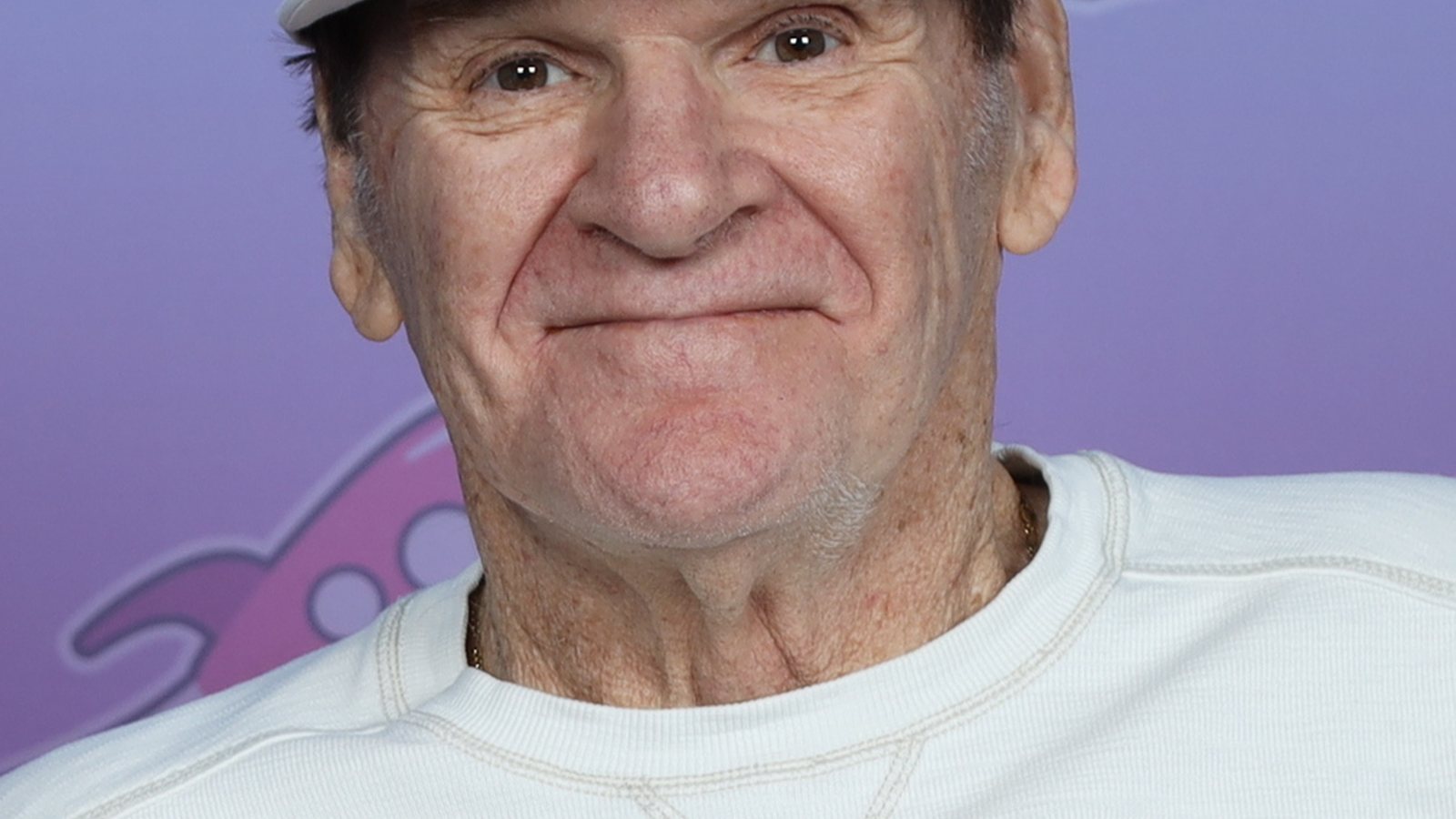
President Donald Trump said Thursday that he has granted a "Complete and Total Pardon" to Pete Rose, the late all-time hits leader. The announcement, made on Truth Social, comes more than two years after Rose's death. It is mostly symbolic: Rose was already removed from Major League Baseball's permanently ineligible list, and a presidential pardon has no formal bearing on the Hall of Fame.
What Trump said
According to CBS News and Fox News, Trump wrote that he had "just given a Complete and Total Pardon to the Late, Great Pete Rose, a true Baseball SUPERSTAR & LEGEND." He said Rose "was treated terribly by Major League Baseball in not allowing him to go into the Baseball Hall of Fame," and added: "Politics, I guess!"
Fox News reported that Trump also named Roger Clemens in the same post, saying he and Rose were "treated terribly" over their Hall of Fame exclusions. Neither report said what legal offense the pardon covers, and the president's post did not specify. CBS noted that Rose was never charged with a crime over gambling. The only federal conviction in his record is the tax case described below, so it is not clear what the pardon is meant to reach.
Neither outlet reported an immediate response from the White House on those details or from Major League Baseball.
How Rose ended up banned
Rose is baseball's career hits leader with 4,256, a record that has stood for decades. Fox News listed his résumé: the 1974 National League MVP, 17 All-Star selections, three World Series titles and three batting championships. He died in 2024 at age 83.
His fall began in 1989, when he agreed to a lifetime ban from baseball following the revelation that he had bet on games, including some involving the Cincinnati Reds. Rose denied betting on baseball for years and admitted it in 2004, Fox reported.
Separately, in 1990 he pleaded guilty to filing false income tax returns. CBS reported that he served five months in prison and was released in 1991.
What was already settled
Much of what Trump is describing as injustice had already been addressed by baseball itself:
- Rose applied for reinstatement in 2020 and 2022. Commissioner Rob Manfred denied both requests, pointing to the Veterans Committee for any Hall of Fame consideration, according to Fox.
- In 2023 Manfred dismissed speculation about reinstatement, citing MLB's partnerships with sportsbooks, Fox reported.
- On May 13, 2025, Rose was removed from the permanently ineligible list, after his death.
- CBS reported that Manfred met with Trump less than a month before Rose's reinstatement and said Rose came up in the conversation, but added, "I'm not going beyond that."
Trump first promised a "complete pardon" for Rose in a Truth Social post in March 2025, per Fox. In 2015, before he was president, he wrote that Rose had "paid the price. So ridiculous - let him in!" according to CBS.
What it means for the Hall of Fame
Despite the reinstatement, Rose is still not in the Baseball Hall of Fame. Removal from the ineligible list only makes a person eligible for consideration; it does not guarantee induction. CBS reported that, under Hall of Fame rules, Rose could be inducted as early as 2028, and that the pardon does not apply to the Hall's decisions. The Hall of Fame is an independent institution, and its voting committees, not the White House, decide who goes in.
CBS said it was unclear what practical effect the pardon would have. For now, the most direct impact appears to be symbolic, especially in Cincinnati. The Reds inducted Rose into their own hall of fame in 2016 and retired his No. 14, Fox noted.
Why this matters beyond baseball
Posthumous pardons are rare, and this one lands in a moment when sports betting is closely tied to professional leagues. MLB has sportsbook partnerships, which Manfred himself cited when he turned down Rose's earlier reinstatement requests. A pardon for a man banned over gambling will inevitably be read against that backdrop, though the reports we reviewed did not include comment from MLB on the question.
It also continues a pattern of the president weighing in on sports institutions. Trump has long argued Rose was mistreated, and the post framed the Hall of Fame exclusions as political. Whether baseball's Veterans Committee takes up Rose's case on its own schedule is a separate question, and one that this announcement does not answer.
What to watch next
Several things remain open:
- The scope of the pardon. The post did not say which conviction it applies to. Details may come from the Justice Department or the White House.
- MLB's response. No reaction from the commissioner's office had been reported at the time of publication.
- The 2028 window. If Rose is considered by the Hall's committee at the earliest opportunity, that decision will be made on baseball grounds, not legal ones.
Rose remains one of the most debated figures in the sport: the player with the most hits in history, and a man whose gambling cost him the honor that normally follows a career like his. A pardon does not settle that argument, and it leaves the Hall of Fame question exactly where it was.