Thanksgiving dinner costs 6% more in 2026: what's driving it
The Farm Bureau's annual survey puts a dinner for 10 up 6% from last year, the first rise since 2022. Turkey, fuel costs and a few cheaper items explain the picture.
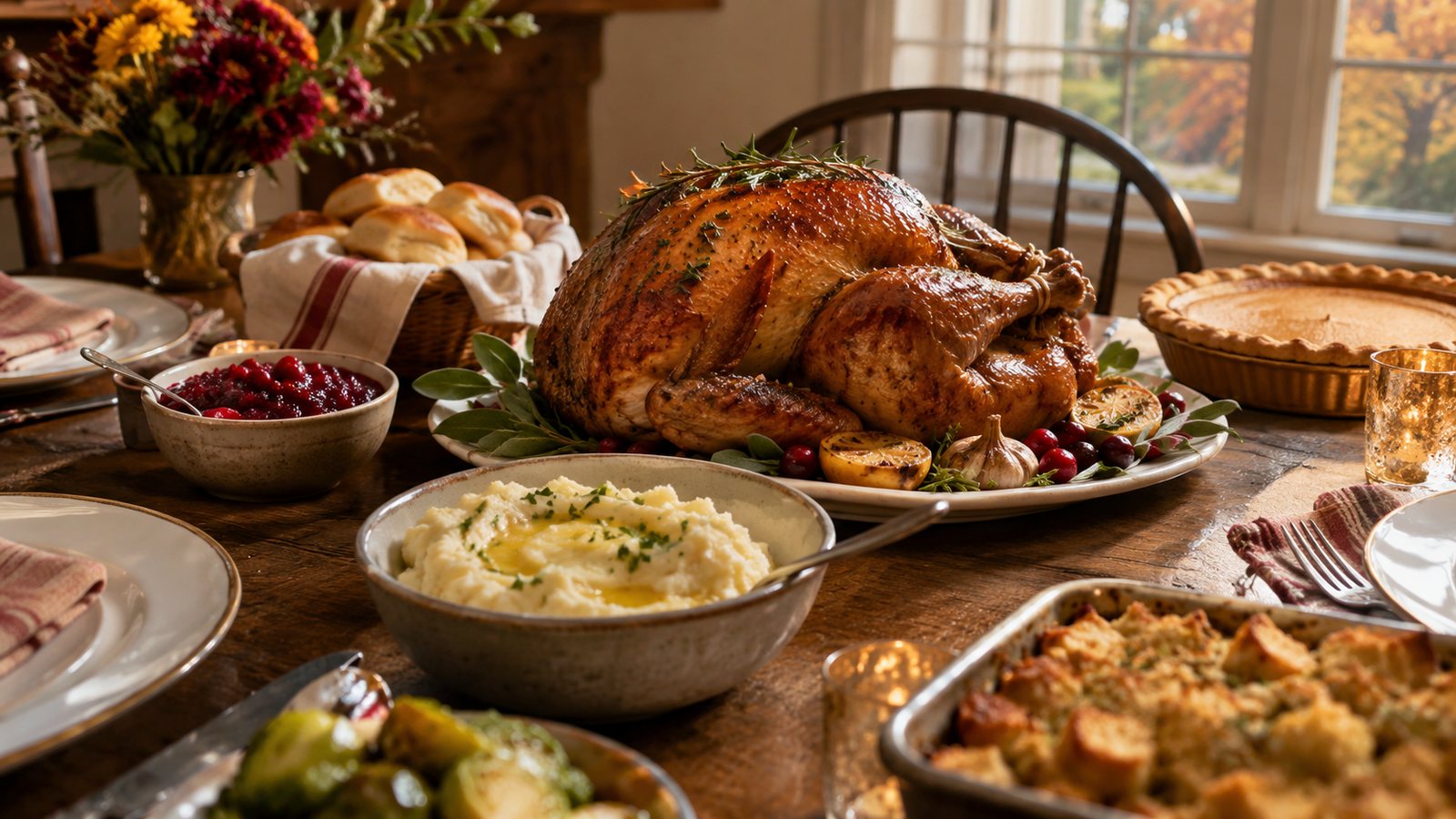
A Thanksgiving dinner for 10 costs about 6% more this year than last, according to the American Farm Bureau Federation's annual survey. The group puts the average at $58.63, or about $5.86 per person. It is the first year-over-year increase since 2022, when the survey hit its record of $64.05.
Even with the rise, this year's total is still more than 8% below that 2022 high, the Farm Bureau says. But the increase lands in a year when grocery costs are already a sore point for many households.
What the survey found
The survey prices a standard menu at local grocery stores: a 16-pound turkey, stuffing, sweet potatoes, rolls, peas, cranberries, a vegetable tray, pumpkin pie ingredients, milk and a few other basics. Volunteer shoppers in all 50 states and Puerto Rico record the prices, and the Farm Bureau has run the survey every year since 1986.
The turkey is the biggest single item. A 16-pound frozen bird averages $23.68, up $2.38, or 10%, from last year, per the Farm Bureau. Some shoppers reported finding turkeys for as little as 69 cents a pound, which is a reminder that stores often discount turkeys heavily to draw people in.
Items that rose include boneless ham, milk, dinner rolls, sweet potatoes, russet potatoes, frozen peas, frozen green beans, cubed stuffing and pumpkin pie mix. A 12-ounce bag of cranberries rose nearly 9%.
A few things got cheaper. A celery and carrot vegetable tray fell 3.7%, the biggest percentage drop. Frozen pie crusts fell 9 cents, the largest drop in dollars, and heavy whipping cream also came down.
Regional differences
The Farm Bureau reported these averages for a dinner for 10:
- Northeast: $61.57, about 5% above the national average
- West: $58.74
- Midwest: $56.89
- South: $54.33
Why prices are up
Two forces stand out. The first is turkey supply and demand. The Farm Bureau cites "strong demand and tight inventories." PBS NewsHour, reporting on the survey, added that bird flu has hurt flocks since 2022, though cases are declining and production has grown. Demand from shoppers looking for lean protein and strong exports have kept supplies tight. The USDA expects the wholesale price of a frozen whole turkey hen to reach a record $1.76 per pound this year, up 29%.
The second is fuel. PBS reported that diesel prices have climbed since the Iran war began, hitting a record average of $6.53 a gallon in September. On the day the survey was released, diesel averaged $5.96, up 58% from a year earlier, per AAA. Higher diesel costs raise the price of processing and trucking staples such as milk, rolls, potatoes and cranberries.
Interestingly, the survey's economist, Mark Jordan, said diesel likely did not affect this year's turkey prices much, because most production decisions were made before the spike. He expects a bigger effect on next year's prices. "This is one of those years that turkey producers are feeling a little bit better about their lot in life," Jordan said, after years of losses.
Farmers themselves face record diesel costs, elevated fertilizer prices, and higher labor, rent and electricity bills. Unlike wholesalers and retailers, they often cannot pass those costs on, the Farm Bureau says. The USDA's Food Dollar Series estimates less than 6 cents of each food dollar goes back to farms.
How Aldi and Walmart compare
PBS reported that the Farm Bureau's menu can be matched for less at some chains. Aldi priced a comparable feast for 10 at $39. Walmart priced one at $35, though its menu differs: it adds items such as corn muffin mix and marshmallows and leaves out the carrots and celery. Because the baskets are not identical, the comparison is rough, but it shows how much shoppers can save by choosing store brands and discount chains.
What the number does and doesn't tell you
The survey is a useful yardstick because it uses the same basic menu every year, which lets the Farm Bureau track changes over time. But it is built around a traditional meal for 10. It does not account for dietary needs, store loyalty cards, coupons or the many households that cook smaller meals or buy prepared dishes. The ham, frozen green beans and russet potatoes were added to the list in 2018, so the menu is not identical to the one used when the survey began in 1986.
It also measures shelf prices in stores, not what farmers receive. The gap between the two is large: the USDA estimates less than 6 cents of each food dollar goes back to the farm, with the rest covering processing, transport, marketing and retail. That is why a spike in diesel can reach the checkout quickly even when farm-level prices barely move.
The bigger grocery picture
PBS noted that food-at-home prices have risen 22% from October 2021 to October 2026, nearly double the usual pace of food inflation. Grocery costs have frustrated consumers and figured in recent Republican losses in the midterm elections. The USDA projects food-at-home prices will rise 2.3% this year, below the recent annual average of 2.6%.
Ways to keep your own bill down
These are general tips rather than findings from the survey:
- Compare store brands with name brands for canned and frozen sides.
- Watch for turkey discounts, which stores use to bring people in, and buy only as much as your guest list needs.
- Skip pre-cut vegetable trays or specialty items where a simple version works.
- Consider whether a smaller bird or a turkey breast fits a smaller group.
The survey's total is a national average. Your own cost will depend on your menu, your region and which store you shop at.