Senate passes permitting bill 62-33: what it does and what's next
The Senate approved the Bipartisan American Affordability and Jobs Act, a bill to speed energy and grid projects and make big data centers pay their own way. The House is next.
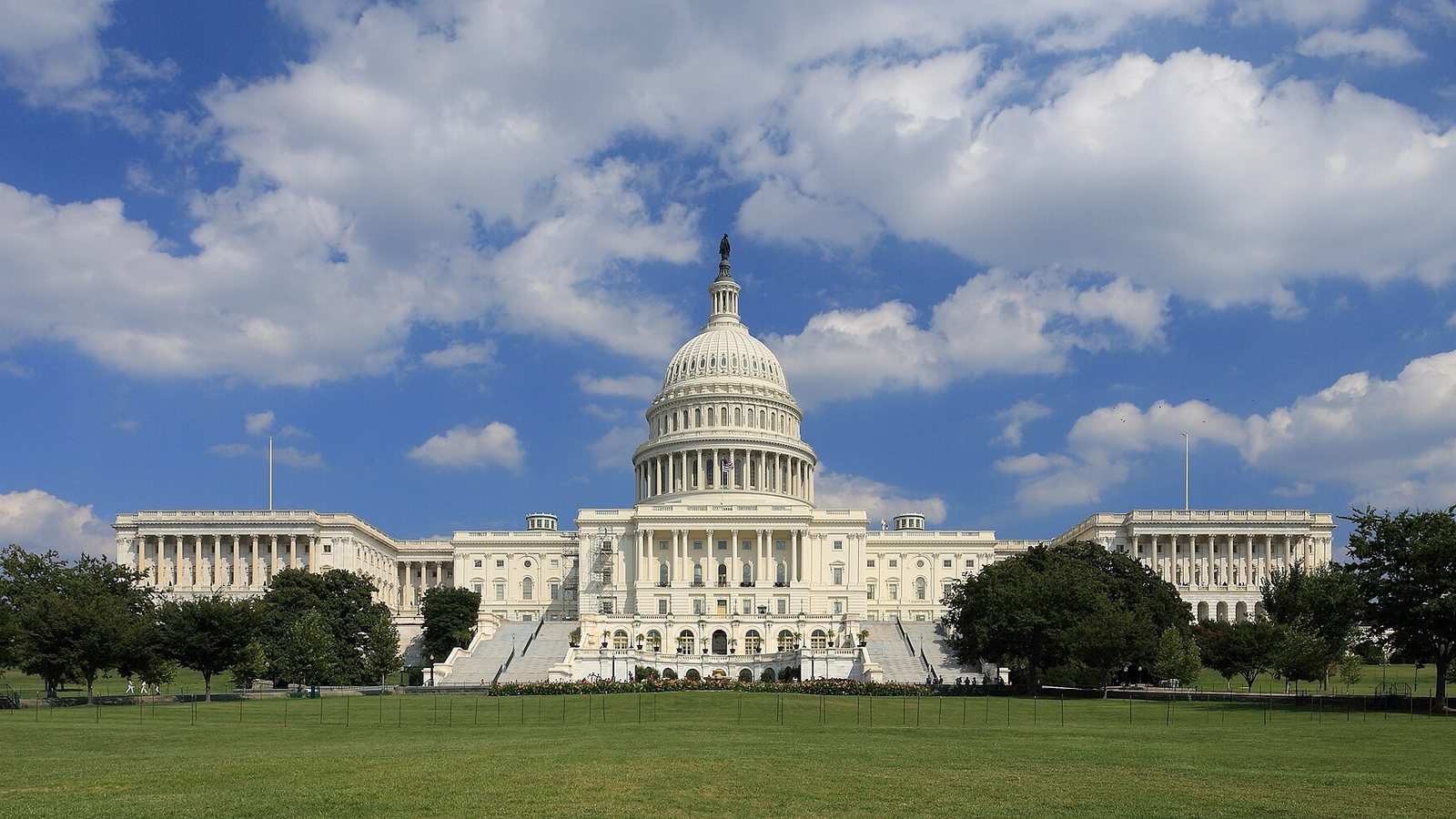
The Senate has passed a sweeping permitting bill meant to make it faster and cheaper to build energy projects, power lines and other infrastructure. The Bipartisan American Affordability and Jobs Act, known as BAAJA, cleared the chamber 62-33 on Thursday night, November 19, 2026. It now goes to the House, where its path is less certain. President Trump has said he supports it, according to CBS News.
Permitting reform has been a rare subject on which both parties say they want to act, and the vote shows both the appeal and the limits of that agreement: a clear majority, but with a sizable chunk of Democrats and a few Republicans voting no.
How the Senate voted
According to CBS News, 15 Democrats joined virtually all Republicans in voting yes. Thirty-one Democrats voted no. Two Republicans, Sen. Mike Rounds of South Dakota and Sen. Josh Hawley of Missouri, also voted against it.
Majority Leader John Thune called it a bill "years in the making." Sen. Shelley Moore Capito, a West Virginia Republican who chairs the Environment and Public Works Committee, described it as a major bipartisan step that keeps environmental protections in place. Fox News reported that Sen. Martin Heinrich, a New Mexico Democrat, was the Democratic lead and pushed for stronger protections for electricity customers.
What the bill does
The goal, in broad terms, is to shorten the review process that can leave projects waiting for years before construction starts. Based on the reporting from CBS News and Fox News, the bill would:
- speed up environmental review of projects;
- limit legal challenges that can stall approved projects, and protect projects once they are approved;
- make it easier to build both renewable and fossil fuel energy projects, as well as high-voltage power lines;
- expand the electric grid, which many energy analysts say is a bottleneck for new generation.
Supporters argue that slow approvals raise costs for everything from power plants to transmission lines, and that those costs eventually show up in consumer bills. That is the "affordability" argument in the bill's name.
The data center rules
One of the most closely watched parts of the bill deals with data centers, the large computing facilities behind AI services. Fox News reported that the rules apply to facilities with a power demand of at least 20 megawatts. Under the bill, those data centers would:
- cover the cost of the additional power they need;
- provide financial guarantees for building or upgrading facilities;
- pay for any unpaid infrastructure costs if they leave an area;
- be subject to conditions on power supply;
- be open to higher rates set by states, so that other customers' bills are not pushed up.
Heinrich said the ratepayer protections should be law rather than a suggestion, Fox News reported. The provisions respond to a growing worry in many states that the electricity demand from AI data centers will be passed on to ordinary households.
Why many Democrats said no
Opposition centered on the environment and on who benefits. CBS News reported that the Democrats who voted no were mainly concerned that the bill would weaken environmental protections and encourage fossil fuel projects. The Sierra Club and other environmental groups oppose it.
Sen. Jeff Merkley of Oregon raised concerns about state authority over clean water and air, support for fossil fuels over renewables, data center growth, the deficit and tribal rights. Sen. Ron Wyden, also of Oregon, voted no and sought a vote on an amendment to ban data centers on public lands. Some progressives also doubt that the administration would let renewable projects proceed even if the law makes them easier to approve.
Not every environmental voice is opposed. CBS reported that some renewable energy leaders and developers back the bill, including the Clean Coalition.
What happens next
The House is the real test. Thune said he does not know whether the House will pass the bill as is or demand changes. CBS News reported that some House Republicans have raised concerns about transmission provisions tied to grid reliability, and some House Democrats want changes. Rep. Jared Huffman of California has raised doubts, and a spokesperson for House Minority Leader Hakeem Jeffries said the bill "falls short in several areas."
Supporters sound hopeful. Fox News quoted Sen. Alan Armstrong of Oklahoma saying the House has "a lot of good supporters on both sides of the aisle," and that much of the bill's language came from House work. He also voiced concern about attendance in the lower chamber, and Fox called the House outcome "an open question."
Some observers think Democrats may have more leverage to negotiate next year, while others say passage needs one party to hold the White House and both chambers, CBS reported. Whatever the House does, the bill cannot become law without the president's signature.
What it could mean for you
For most households the effects would be indirect and slow. Faster permitting could lower the cost and shorten the timeline for new power plants and transmission lines, which matters for electricity prices in regions where the grid is strained. The data center rules, if they survive, are meant to keep the cost of AI-driven demand from landing on residential bills. But nothing changes until the House acts and the president signs, and any changes the House makes would need to go back to the Senate.