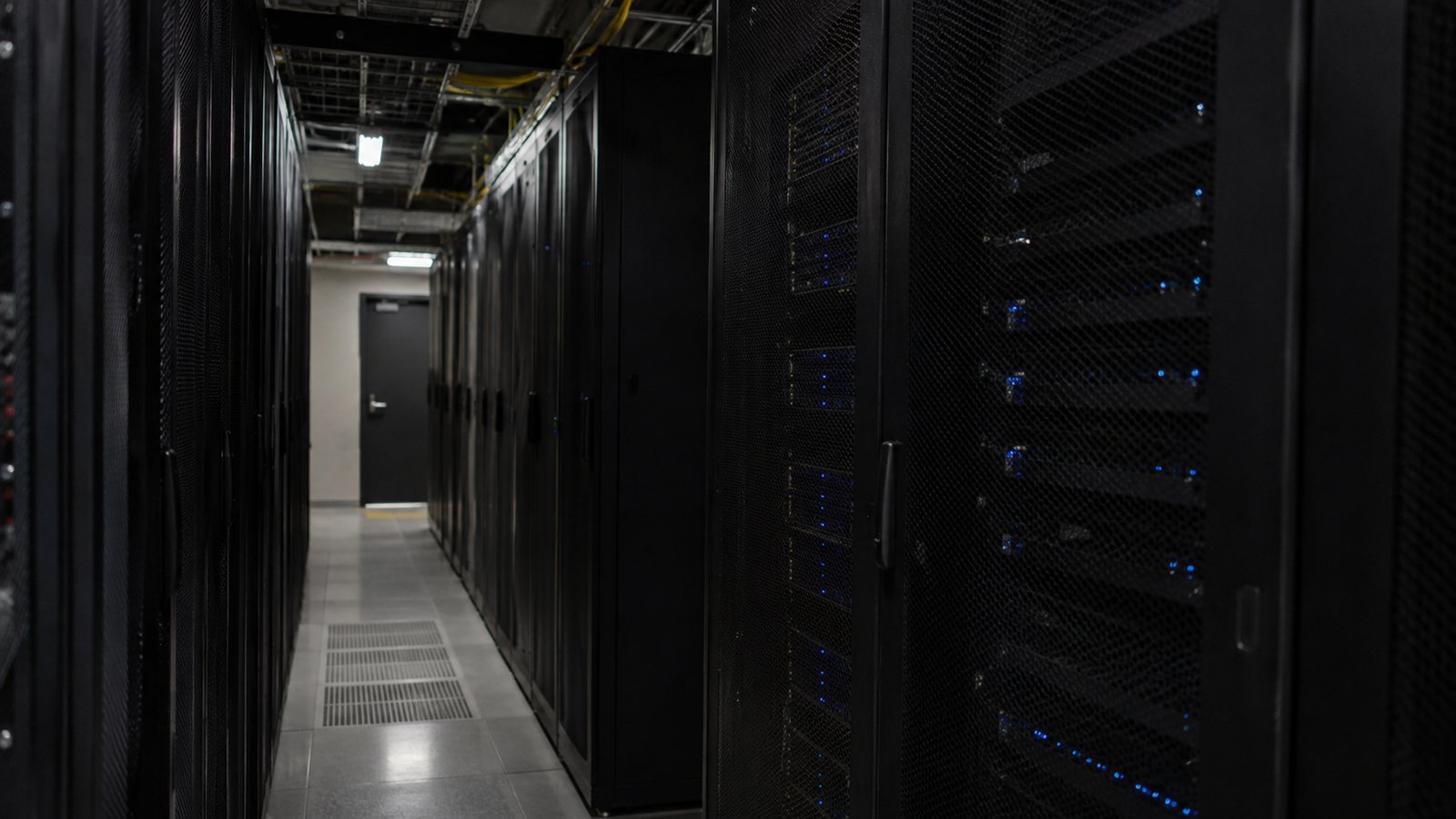
NSA's classified network goes down; agency cites routine maintenance
NSANet, the agency's classified internal network, was disrupted on Tuesday. The NSA blamed "temporary degradation" during maintenance, and officials say there is no sign of a cyberattack.
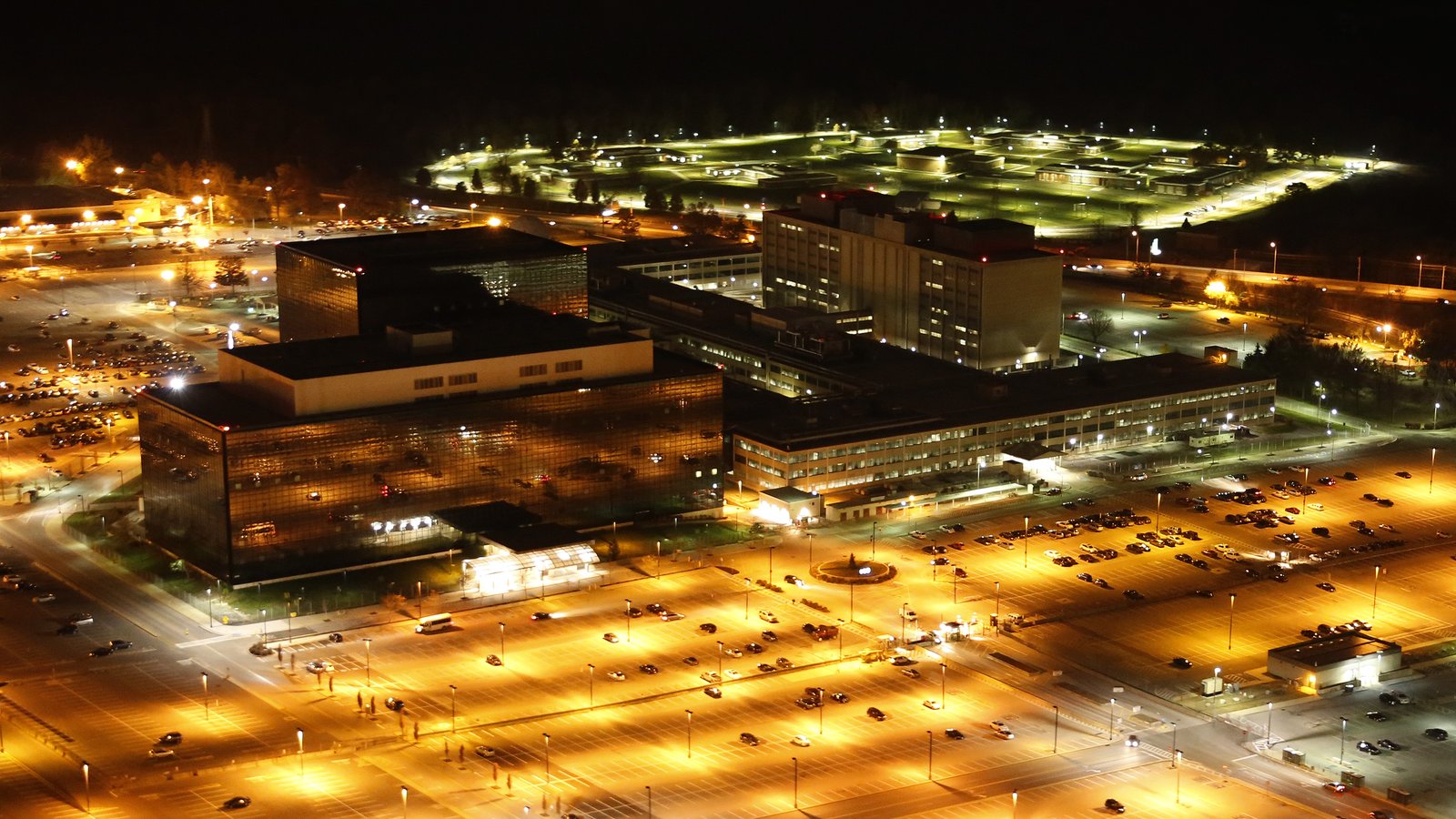
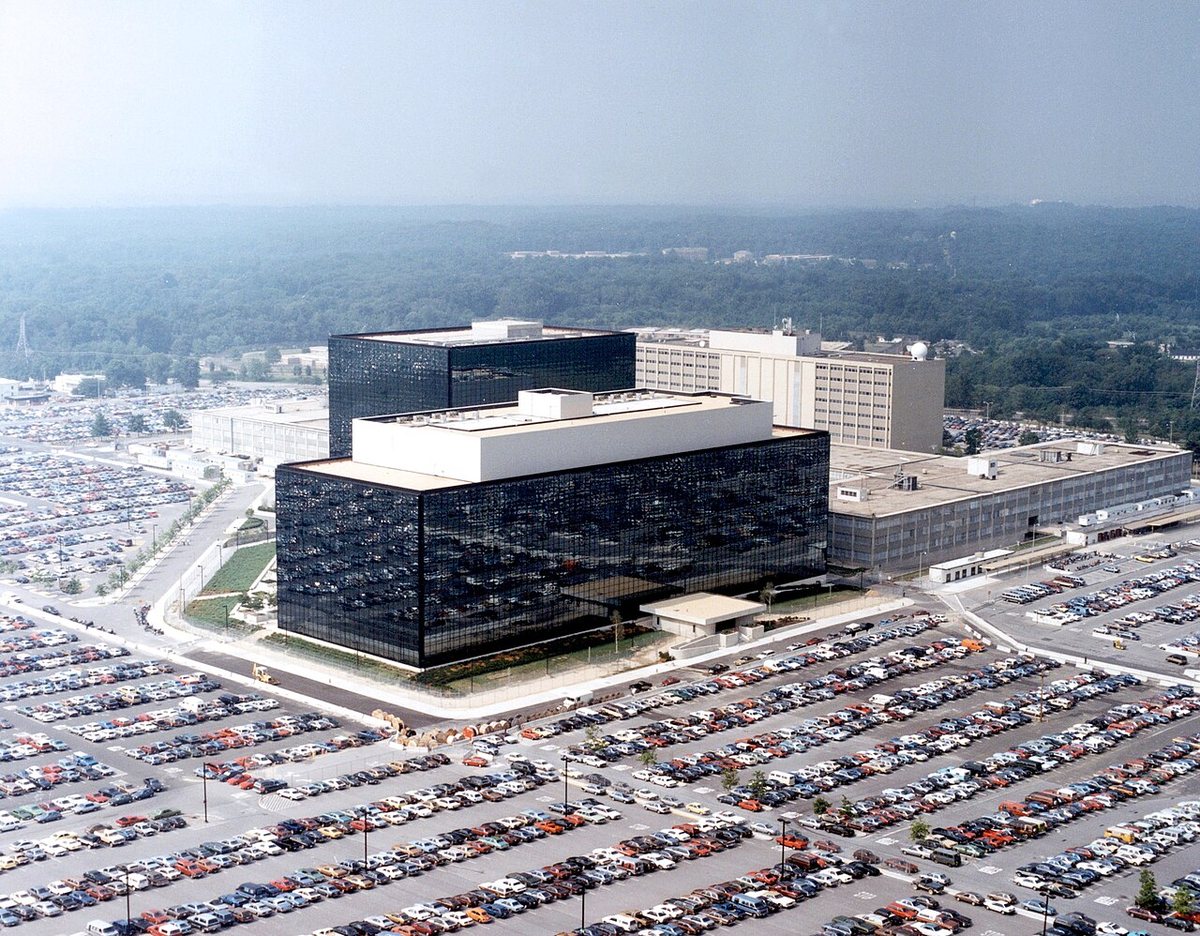
The National Security Agency's classified internal network was disrupted on Tuesday, November 17, in an outage the agency attributed to maintenance rather than an attack. "The National Security Agency experienced temporary degradation during scheduled routine maintenance," the NSA said in a statement reported by NBC News and the Associated Press.
The network, known as NSANet, is the system NSA employees use to share classified information internally. CNN first reported the outage.
What the NSA and officials have said
The NSA has given few details about the cause or how widespread the disruption was. Its statement said that "some internal systems were affected," but that "mission/critical capabilities remain fully operational and our ability to defend National Security continues."
A defense official, speaking anonymously to the AP, confirmed that the outage disrupted NSANet operations.
Senior officials have firmly rejected the idea of an attack. Director of National Intelligence Jay Clayton said on CNBC and Fox Business: "This is not a cyber attack, and this is not a coordinated effort by a nation state. We've looked very closely." NBC News reported that two people with knowledge of the matter and a senior U.S. cybersecurity official also saw no indication of an attack, describing a technical problem during maintenance.
Clayton linked the outage to a broader pattern of organizations updating their systems at the same time. "Many people are patching their systems," he said, according to the AP. Sen. Mark Warner, the top Democrat on the Senate Intelligence Committee, said "the evidence so far points toward legitimate efforts to secure our systems, not malicious activity."
It was not clear from the reporting how long the network was down or when it was fully restored.
A week of outages
The NSA disruption is one of several high-profile failures in quick succession, which has fueled public speculation about a common cause. Recent incidents include:
- a system overload on Friday that led to a ground stop of U.S. air traffic, which Al Jazeera reported lasted more than four hours
- a technical issue at JPMorgan Chase on Monday that disrupted online access
- an internal United Airlines outage that delayed departing flights
- an Apple outage on Tuesday that hit iCloud, the App Store, Apple Pay and AppleCare, which Apple blamed on an internal update
- a Microsoft Outlook and Teams outage the previous week
Officials say there is no evidence tying these events together. Secretary of State Marco Rubio, who also serves as national security adviser, called the reports "unsettling," the AP reported, while top national security officials said none of the incidents had been attributed to a cyberattack or hostile activity. President Donald Trump played the issue down. "It's life, it's life," he said, according to NBC News, adding that when "you're big and powerful and you have all the money, things like that happen."
How serious is it?
Experts quoted by NBC News differed in tone but agreed the outage was unlikely to cripple intelligence work. Emily Harding, a former CIA analyst now at the Center for Strategic and International Studies, said government systems "are highly redundant, so an outage like this won't stop the work of national security." James Lewis, a cybersecurity expert and former senior government official, called it "a little unusual" for the NSA, but said that "across the government, it's fairly common."
The bigger open question is the one Clayton's comments point to. Many organizations are rushing out security updates at once, including for newly disclosed flaws such as the critical "Java4Shell" bug that CISA flagged the same day. Rapid patching closes security holes, but every large update also carries the risk of breaking something, and this week has shown how visible those breaks can be.