Do adults need a measles booster after the US lost elimination status?
Most adults are protected and do not need a booster. But a few groups, including some people vaccinated in the 1960s, should check their records.
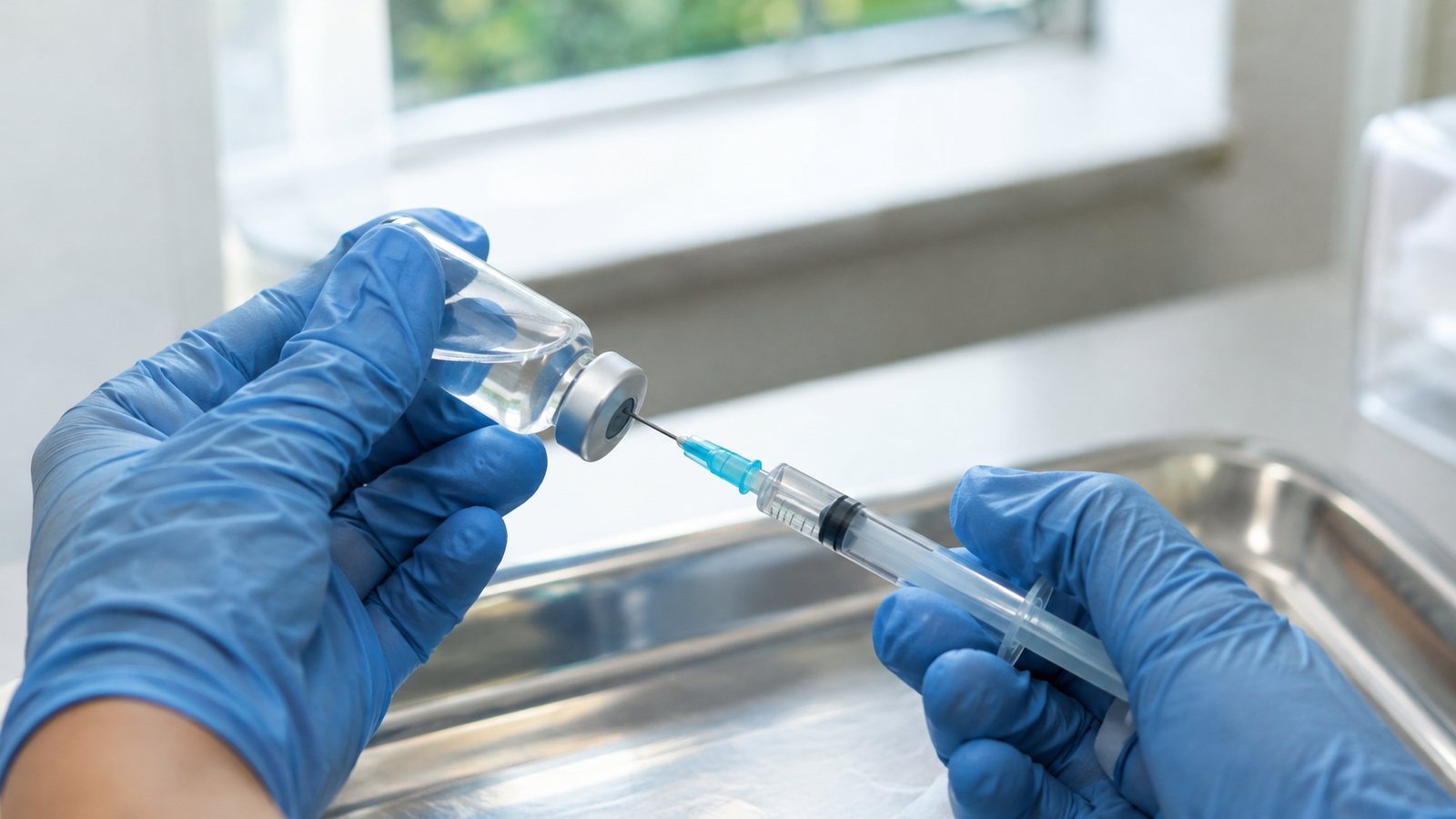
With the United States having lost its measles elimination status, many adults are asking whether they need another shot. The short answer from doctors and the CDC: for most people, no. A few groups should check their records or get a dose.
PBS NewsHour put the question to experts this week. Dr. Richard Martinello of Yale told the program that "most people are protected without getting a booster shot," because they were vaccinated or had measles as children.
Who is probably fine
If you have documentation of the full childhood schedule, you are covered. The CDC recommends two doses of the MMR vaccine for children: the first at 12 to 15 months and the second at 4 to 6 years. The CDC says one dose is about 93% effective against measles and two doses about 97%.
Adults born before 1957 are generally considered immune, because nearly everyone then caught measles in childhood.
Who should consider a dose
Based on the CDC's guidance and the PBS report, these groups should talk to a doctor:
- Adults vaccinated between 1963 and 1967. Some received an older killed-virus vaccine that did not work well. The CDC says anyone vaccinated before 1968 with a killed or unknown type of vaccine should get at least one dose of the live vaccine. Documented live-virus vaccination in the 1960s does not need to be repeated.
- People with only one documented dose in higher-risk groups. The CDC lists college students, healthcare workers, international travelers and close contacts of people with weakened immune systems as groups that need two doses.
- Healthcare workers born before 1957 without lab evidence of immunity. The CDC says they should consider two doses.
- Anyone in an area with an active outbreak. Health authorities may recommend an extra dose for people with only one documented dose, and will notify those at increased risk.
- People never vaccinated who were not born before 1957. They should get vaccinated.
Travelers have a specific rule. The CDC advises being fully vaccinated before international travel, and says infants 6 to 11 months old should get one dose before travel, followed by two more doses after their first birthday.
How to find out your status
Many adults do not know their vaccination history. PBS and the CDC point to the same sources:
- Ask parents or relatives who kept childhood records.
- Contact your doctor, school or college health services.
- Check with former employers that required vaccination, such as hospitals or the military.
- Ask your state health department, which may keep an immunization registry.
A blood test can check for measles antibodies, but experts say it is not a perfect measure of protection, so it is not always the best way to decide.
Is an extra dose risky?
The PBS report said a booster generally will not harm you unless you belong to a group that should not get the vaccine, such as pregnant women. The CDC separately notes that adults with HIV who are not severely immunocompromised can be vaccinated, while people with weakened immune systems and pregnant people should discuss it with a doctor first. If you are unsure whether you qualify, ask a clinician before getting a dose.
What losing elimination status means
Elimination status is a public-health designation, not a medical one. It reflects whether measles spreads continuously within a country. Losing it signals that outbreaks have been persistent, and it raises the stakes for vaccination in communities where coverage has slipped. It does not mean that every adult is suddenly at higher personal risk.
Your own risk depends on where you live, how many people around you are vaccinated, and whether you are in a group the CDC flags. A pharmacy visit is a reasonable step if your records are missing and you fall in one of those groups.
Why the 1960s detail matters
The 1963 to 1967 window trips up many people in their late fifties and older. A killed-virus measles vaccine was in use then, and the CDC says it was ineffective. Someone who got that shot as a child may believe they are protected when they are not. Because paper records from that era are often lost, the CDC's advice is practical rather than perfectionist: if you were vaccinated before 1968 and cannot tell which type you received, one dose of the live vaccine settles the question.
Why a second dose helps
The difference between one dose and two is small per person but meaningful across a population. The CDC puts one dose at about 93% effective against measles and two at about 97%. In a community with an outbreak, that gap is why health authorities sometimes ask people with a single documented dose to get another. It also explains why the groups with the most contact with others, such as students, healthcare workers and travelers, are asked to have two from the start.
Practical checklist
- Find your records, or ask your doctor how to confirm them.
- If you were vaccinated in the 1960s and don't know which vaccine you received, ask about a live-virus dose.
- If you travel abroad, check your doses well before departure.
- If you live near an outbreak, follow local health department advice.
- If you are pregnant or immunocompromised, ask your doctor before any dose.