Huawei convicted of stealing trade secrets, cleared of racketeering
A New York jury found Huawei guilty of conspiracy to steal trade secrets and of bank fraud, but acquitted it of the racketeering charge. The company says it will appeal.
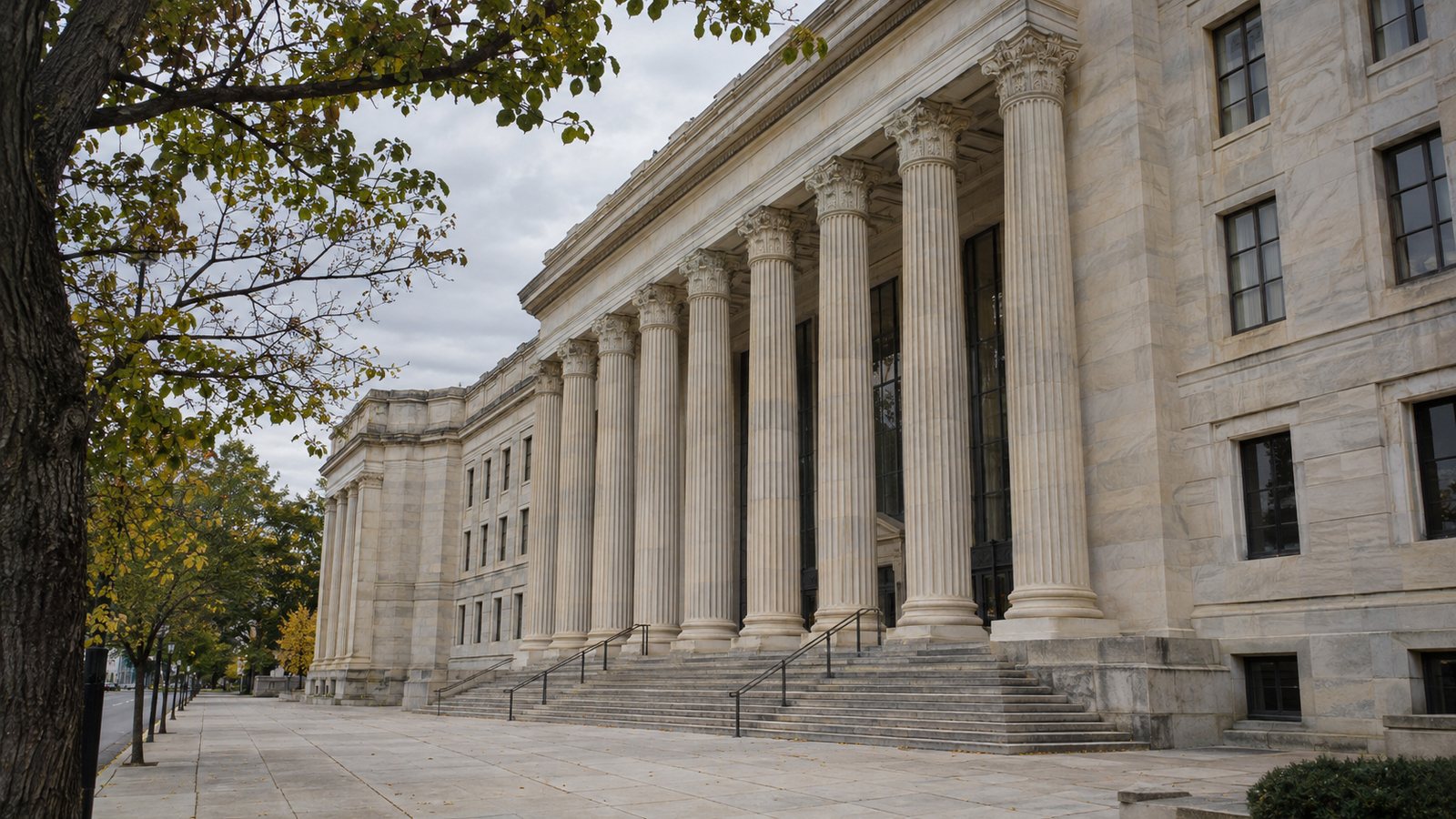
A federal jury in New York has convicted Huawei Technologies of conspiracy to steal trade secrets and of bank fraud, ending a case that began with US charges nearly eight years ago. Jurors acquitted the Chinese telecom giant of racketeering conspiracy, the most serious charge it faced. Huawei's lawyers say the company will appeal.
The verdict came on Tuesday, November 24, after an 11-week trial in the US District Court for the Eastern District of New York. Both sides are claiming something from the result: prosecutors have convictions on the core fraud and theft allegations, and Huawei has a clear win on the charge that carried the heaviest implications.
What the jury decided
According to Al Jazeera, Huawei and three affiliates faced 12 charges in all. They included racketeering conspiracy, bank fraud, wire fraud, sanctions violations tied to business in Iran and North Korea, conspiracy to steal trade secrets, obstruction of justice and false statements to US officials and banks. The jury found Huawei guilty of the trade secrets conspiracy and bank fraud, and not guilty of racketeering conspiracy. The reports reviewed for this article did not spell out the jury's findings on each of the other counts, and no sentencing date has been reported.
Racketeering is the charge prosecutors typically use to describe an organization as a criminal enterprise. Acquitting on it means jurors did not accept that Huawei as a company operated that way, even though they accepted that it conspired to steal secrets and defrauded banks.
The split outcome matters for how each side will describe the case. Prosecutors framed Huawei as a company that systematically took what it wanted from rivals and then misled banks and officials about its overseas business. The defense told jurors the evidence showed individual lapses, not corporate policy. The jury sided with the government on two of the central allegations and with the company on the one that most directly accused it of being a criminal enterprise.
What prosecutors said Huawei did
PBS NewsHour reported that prosecutors told jurors Huawei repeatedly took technology from competitors and partners in the US and elsewhere. Examples they described included:
- selling internet routers that contained source code copied from a competitor
- a Huawei employee photographing the circuits of a competitor's networking device at a trade show in Chicago
- a Huawei worker removing a robotic arm from a competitor's lab so it could be photographed and measured
Victims named in court records include Cisco Systems, Motorola Solutions, T-Mobile, Quintel USA and Fujitsu. The government also accused the company of doing business in sanctioned countries and of lying to banks and US officials about it. Al Jazeera reported that prosecutors called more than 60 witnesses, while the defense called 15.
Huawei's response
Huawei denies wrongdoing. Its lawyer, Brian Heberlig, argued during the trial that US prosecutors had taken isolated misconduct by a few people among the company's more than 200,000 employees and built a conspiracy story around it. After the verdict he said the racketeering acquittal "repudiated the central government narrative in the case," according to the PBS report. Euronews quoted the company as saying the acquittal "confirms that these allegations lack factual basis," and that the remaining charges are also without merit. Euronews also reported Heberlig's argument that prosecutors relied on "innuendo and facts ripped out of context."
How the case got here
The case has a long and political history. The US first announced charges in January 2019, after the 2018 arrest in Canada of Huawei's chief financial officer, Meng Wanzhou, on a US warrant. That arrest set off a diplomatic crisis. The original indictment accused Huawei of misleading banks, including HSBC, Standard Chartered and BNP Paribas, about its dealings in Iran. Meng later entered a deferred prosecution agreement, the charges against her were dropped and she returned to China in 2021. Prosecutors added the trade secrets allegations in 2020, describing a conspiracy that they said stretched over two decades.
Washington put Huawei on a trade blacklist in 2019. The company is barred from selling equipment to US carriers over security concerns, and Canada and Britain have also blocked it from parts of their networks. China has called the US actions "economic bullying."
What it means for Huawei and for readers
Convictions are unlikely to change Huawei's business quickly. It already sits outside the US telecom market, and experts quoted by Al Jazeera say the long case has not significantly hurt the company, which operates in about 170 countries and still sells phones and network equipment abroad. It has also expanded into chipmaking.
The penalties have not been reported yet. Timing adds a political layer: the trial overlapped with a summit in Shenzhen involving Presidents Trump, Xi and Putin.
For US readers, nothing changes directly. Huawei is already barred from selling equipment to US carriers, and the verdict does not alter that.
What happens next
Huawei has promised an appeal of the convictions. The reports so far do not give a sentencing date or say what penalties the company faces, so those are the details to watch in the coming days.