FCC lets state prisons jam smuggled cellphones: what changes
The FCC voted unanimously to let state prisons jam signals from contraband phones. Jamming is optional, tightly limited, and will not start overnight.
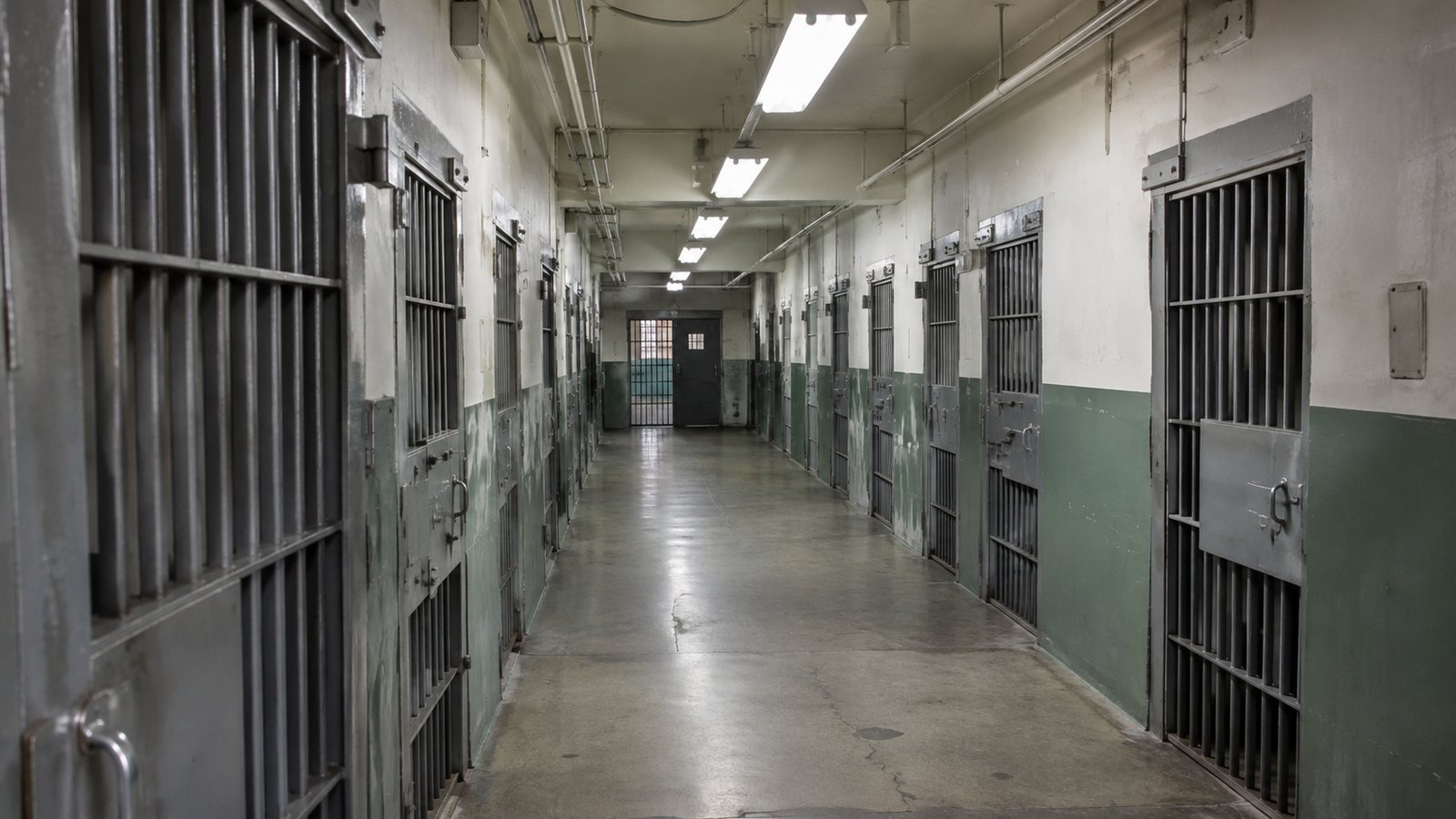
The Federal Communications Commission voted unanimously on Thursday to let state prisons across the country jam the signals of cellphones smuggled to inmates. Federal prisons already had that power. State facilities, which hold most of the nation's inmates, did not, because a nearly century-old communications law required FCC permission first.
The rule is permissive. No prison has to use jamming, and those that do must clear a series of technical hurdles.
What the rule does
According to PBS NewsHour's report on the vote and the FCC's own October 28 announcement, as summarized by the Benton Institute, the rules allow but do not require state and local correctional facilities to jam contraband cellphones. Conditions include:
- Prisons must run multiple tests to confirm that cell service outside the prison walls is not affected.
- They must notify officials if jamming devices are moved.
- Jamming is confined to an area where wireless devices are prohibited.
The FCC announced in late October that it would hold the vote at its November 19 open meeting. Chairman Brendan Carr made that announcement with Sen. Tom Cotton of Arkansas and Arkansas Attorney General Tim Griffin at a roundtable with law enforcement officials.
Why prisons wanted it
Corrections officials call contraband phones the top security threat inside their facilities. PBS reported that about 25,000 are confiscated nationwide every year. The FCC's announcement said inmates have used smuggled phones to order hits, coordinate gang activity, abuse children and run criminal enterprises.
South Carolina officials have pushed hardest. The FCC permitted a one-time jamming test at a South Carolina maximum-security prison in 2008, and a second test took place in 2019 at another state prison, run jointly by federal and state officials. That second test came a year after a prison riot in the state killed seven inmates, which officials said was arranged with cellphones.
A 2010 case became a rallying point. South Carolina corrections officer Robert Johnson was nearly killed in a shooting that officials said a prisoner organized with a contraband phone. He has since become a prominent advocate for letting prisons jam signals. Efforts to get Congress to change the law, rather than rely on the FCC, were unsuccessful.
Carr: "not a silver bullet"
Carr backed the measure but did not oversell it. PBS quoted him saying jamming "is not going to be a silver bullet," while arguing that officials should no longer be denied the tool. He said industry opposition has "receded substantially," and that the FCC is not considering jamming outside this specific prison setting.
That last point matters. Jamming is generally illegal for anyone else in the United States, and the vote does not change that for businesses, vehicles, schools or individuals.
The objections
The telecom industry has argued that jamming could interfere with legitimate communications. The worry is simple: radio signals do not stop neatly at a prison wall, and a jammer strong enough to blanket a cell block could also affect neighbors' phones, or emergency calls.
PBS reported that the FCC's lone Democrat, Commissioner Anna Gomez, voted for the rule but warned of "potential unintended consequences," such as jamming that accidentally disrupts home security systems or emergency calls. Her point was that public safety should not be harmed in the name of protecting it.
Inmates' rights advocates raise a different objection. They argue that high prison phone rates push families toward contraband phones in the first place, and that cutting costs for legal calls would reduce demand for smuggled devices.
What happens next
Do not expect an immediate change. Because the rule is optional, each state has to decide whether to buy and deploy the equipment, and then show through testing that it does not spill beyond the prison. Jamming systems also have to be set up for each facility's layout and surrounding area.
Other approaches to contraband phones, such as detection systems and searches, continue alongside the new option. The FCC has previously moved to simplify the use of technology that detects and blocks illegal phones in prisons, and officials have long said no single measure stops smuggling, which often involves staff, visitors or drones.
Why it took so long
The legal obstacle was not technical. The nearly century-old law at the center of the issue bars interference with licensed radio communications, and PBS reported that state prisons needed FCC permission to get around it. Federal prisons were already allowed to jam. That left an odd gap: the facilities where most inmates are held, and where South Carolina and other states reported the worst problems, were the ones without the tool.
The 2008 and 2019 tests in South Carolina were exceptions that proved the rule. Each needed special permission, and each involved only a single prison. Supporters say the new order replaces that one-off approach with a standing process, though each facility still has to meet the testing conditions.
What it means for the public
For people living near a prison, the testing and notification requirements are the key safeguards. For everyone else, the practical effect is limited: the new authority applies to prisons only.
The real test will come when the first state turns jammers on and the outside world gets to see whether the containment holds.