Caribbean Princess outbreak: 148 sick, cause unknown
The CDC says 134 passengers and 14 crew on a 12-night Caribbean Princess voyage have reported vomiting and diarrhea. The cause has not been confirmed.
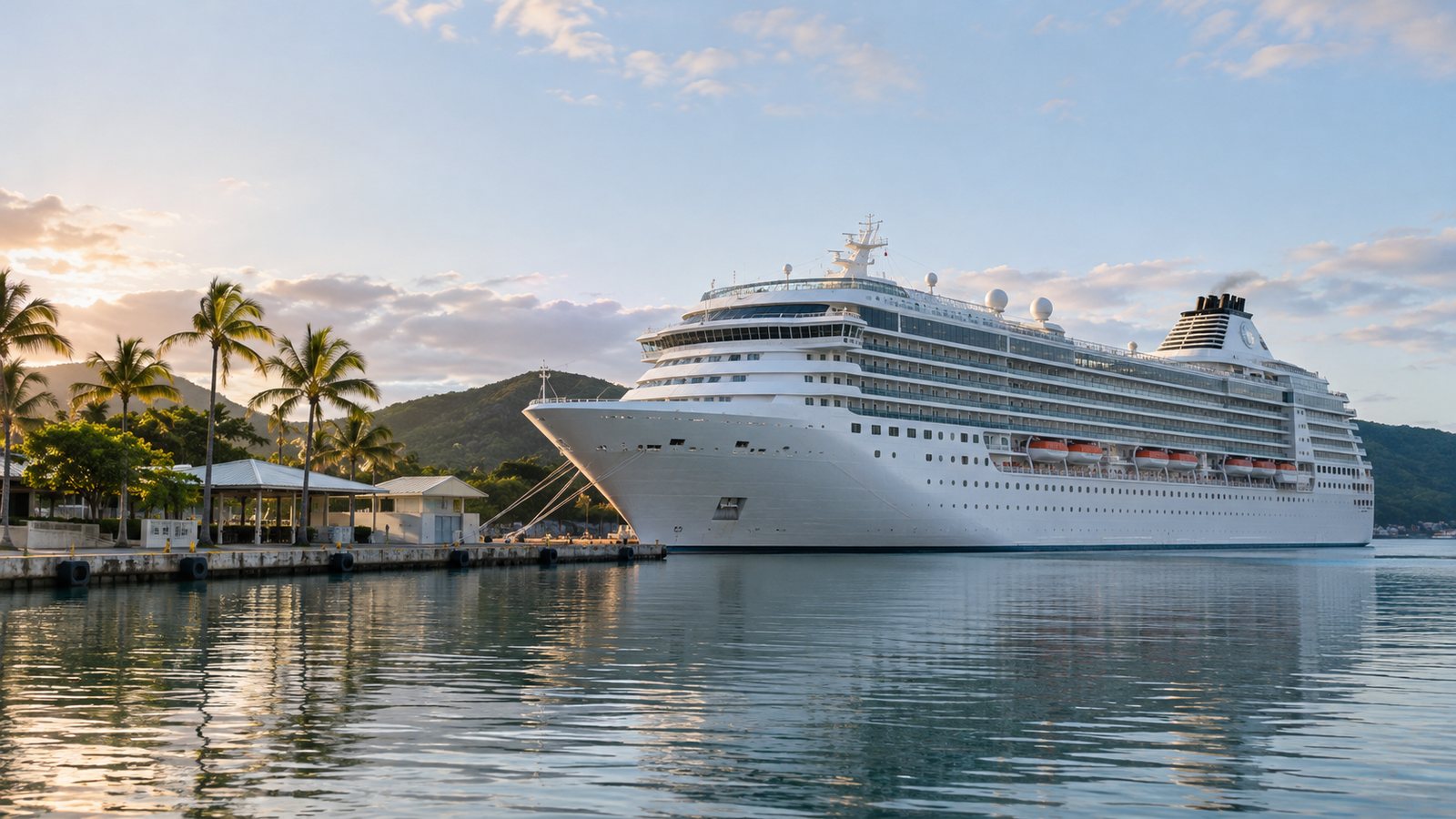
More than 140 people have fallen ill on a Princess Cruises voyage that left Fort Lauderdale, Florida, on November 11, according to the Centers for Disease Control and Prevention. The agency says 134 of 2,936 passengers and 14 of 1,132 crew members on the Caribbean Princess have reported vomiting and diarrhea. The cause has not been identified.
What the CDC says
The ship is on a 12-night voyage, designated B638 in the CDC's records, that runs from November 11 to November 23. The outbreak was reported to the CDC's Vessel Sanitation Program on November 15. The counts work out to 4.6% of passengers and 1.2% of crew.
The CDC stresses that these numbers are totals for the whole voyage so far, not the number of people sick at the same moment. Someone who got ill on day two and recovered is still counted.
The agency lists the causative agent as unknown, with samples pending confirmatory testing. CBS News notes that norovirus is a frequent cause of cruise ship outbreaks, but that has not been confirmed for this voyage, and the CDC says finding the agent "can take time." Until lab results come back, it is not possible to say what is spreading.
What the ship and the CDC are doing
According to the CDC's outbreak page, the cruise line and crew have:
- increased cleaning and disinfection under the ship's outbreak response plan
- collected stool specimens from people with gastrointestinal illness
- isolated sick passengers and crew
- consulted the Vessel Sanitation Program about sanitation procedures and case reporting
The CDC is monitoring the situation remotely, including reviewing the ship's outbreak response and sanitation procedures. CBS News's report did not include a direct statement from Princess Cruises.
Why cruise ships are prone to outbreaks
Several thousand people share dining rooms, buffets, elevators, railings and cabins for days. Stomach viruses spread easily in those conditions. Illness reports on ships are also unusually visible: cruise ships that sail to and from U.S. ports report case counts to the CDC, which publishes outbreak pages. That is why a cluster on a ship becomes national news while the same number of cases in a city might go unnoticed.
An outbreak does not by itself mean a ship is unsafe to board in the future. Ships typically respond with deep cleaning between voyages, and the CDC's monitoring is designed to check that they do.
If you are sailing soon
If you have a cruise booked, or are traveling over the Thanksgiving period, the CDC's general guidance on norovirus, the most common cause of this type of illness, is a useful checklist:
- Wash hands with soap and water for at least 20 seconds, especially after using the toilet and before eating. The CDC says hand sanitizer does not work well against norovirus, so treat it as a backup, not a replacement.
- Stay away from others while sick. Do not prepare food or care for other people. The CDC advises waiting at least 48 hours after symptoms stop, especially if you work in a restaurant, school or daycare.
- Disinfect properly. Wipe up vomit or diarrhea while wearing gloves, then disinfect with a bleach solution of 1,000 to 5,000 ppm or an EPA-registered norovirus disinfectant. Leave it for at least five minutes, then clean the area again with soap and hot water.
- Wash soiled laundry in detergent and hot water on the longest cycle, and dry on the highest heat.
- Be careful with food. Wash produce well and cook shellfish such as oysters to at least 145°F.
The CDC also warns that the virus can be present in vomit or stool before symptoms begin and can remain in stool for two weeks or more after you feel better, so you can pass it on even after recovering. That is why the 48-hour rule is a minimum, and why careful handwashing matters for weeks after an illness.
What the numbers do and do not tell you
The 4.6% passenger rate and 1.2% crew rate are cumulative, and they say nothing about how severe the cases were. The CDC's page lists vomiting and diarrhea as the predominant symptoms and does not report hospitalizations. Crew members are counted separately because they work and live in close quarters on board, and a sick crew member who handles food or cleaning can spread illness quickly, which is one reason the ship isolates sick crew as well as passengers.
Because the cause is unconfirmed, the practical advice is the same whatever the lab finds: wash hands thoroughly, report symptoms early, and avoid close contact with others while you are sick.
What happens next
The voyage runs through November 23, so the case count could still change as the ship continues its itinerary. Two things to watch for:
- Lab results. Confirmation of the cause would tell travelers whether this is the familiar norovirus pattern or something less common.
- Updated CDC totals. The agency's page is the place where final counts for the voyage will appear.
If you are booked on a ship, check the cruise line's current health policies before you go. Most lines let passengers report symptoms to the medical center, and getting seen early helps keep isolation measures effective for everyone on board.