Australia's Senate set to pass tech law with fines up to 5% of revenue
The Digital Duty of Care Bill would make platforms, games and AI chatbots prevent harm before it happens. Washington has already objected.
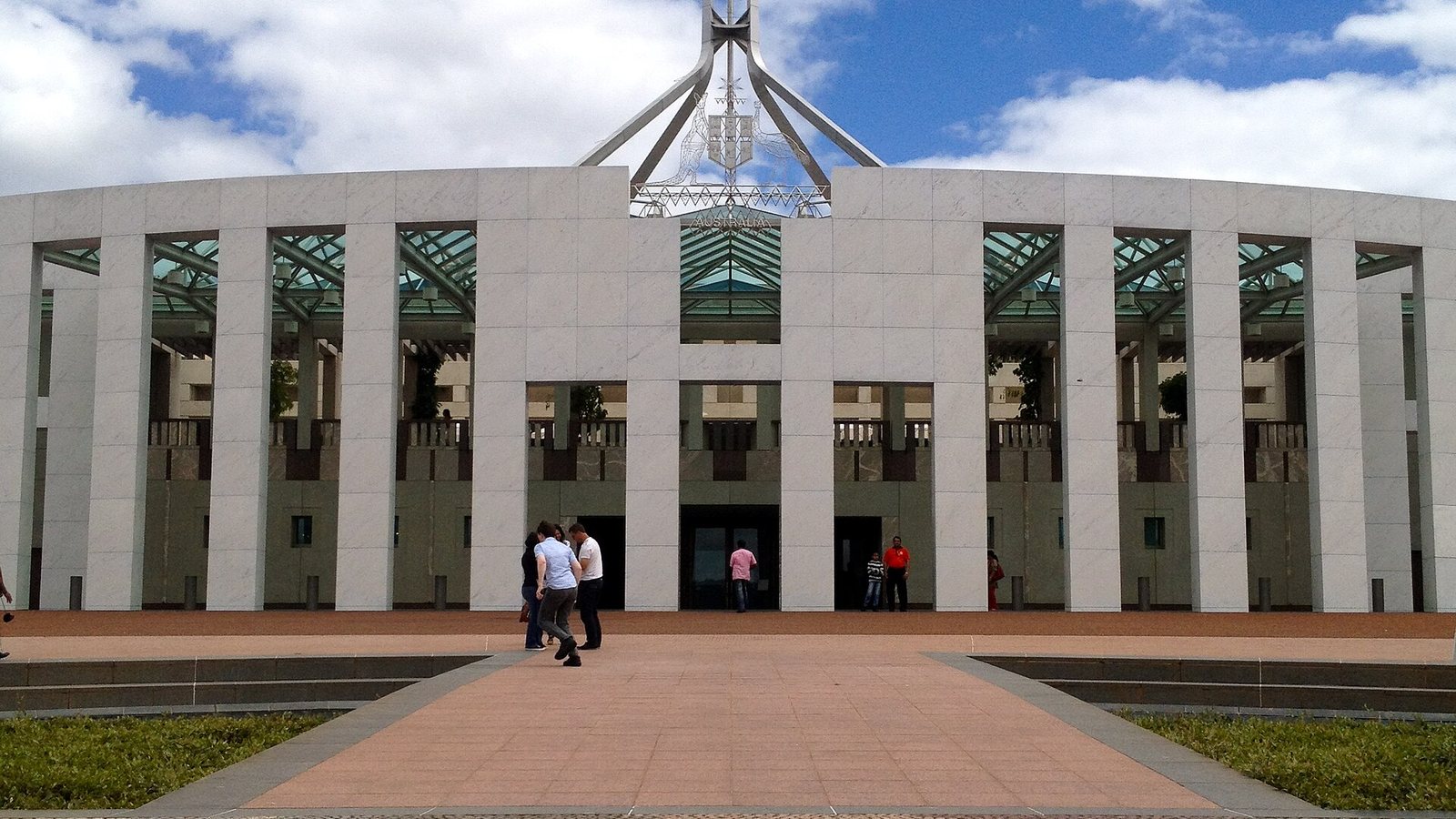
Australia is on the verge of passing a law that would let regulators fine large technology companies up to 5% of their global revenue if they fail to protect users from harm. The Digital Duty of Care Bill reached a political deal on Tuesday, and the Senate is likely to vote Wednesday, PBS NewsHour reported. The House of Representatives, where the government has a majority, is expected to follow before Parliament rises Thursday.
What the bill requires
The bill amends the Online Safety Act of 2021. According to PBS and Engadget, which cited the Associated Press, it:
- sets minimum safety standards for online services, including games, social media apps and AI chatbots
- requires large companies to act ahead of time to reduce the risk of harm, rather than only react to complaints
- requires protections for children from content that promotes eating disorders, hostile ideas about women, pornography, crime or dangerous stunts, or that causes serious mental distress
- lets social media users opt out of algorithms that choose what they see
- lets the online safety watchdog, the eSafety Commissioner, remove "nudify" apps and websites that use AI to create fake nude images from real photos
Communications Minister Anika Wells says the bill provides "basic safety standards" and makes the people who build platforms responsible for the risks. The reports do not say when the penalties and other provisions would take effect, or how the watchdog would enforce them.
Why the fines went up
The government needed votes in the Senate, where no party has a majority, and it accepted amendments from the Greens. Those changes raised the maximum penalty from 109 million Australian dollars (about US$72 million) to 5% of a company's global revenue. They also give people a legal right to sue social media companies in Australian courts.
A cap tied to global revenue grows with the size of the company, unlike a fixed sum. Greens leader David Shoebridge said the law takes power back from "billionaire-owned, largely U.S. corporations."
The US objection
The Trump administration raised "serious concerns" in a September submission, including how "foreseeable harm" would be defined. U.S. Ambassador to Australia David Brat said vague definitions of harm, backed by heavy penalties, will push platforms to censor lawful speech. He also said the United States, as Australia's largest foreign investor, is worried about disproportionate compliance burdens on American firms.
Wells acknowledged "points of difference" with Washington that the government is working to resolve. At home, the conservative Liberal Party opposes the bill. Senator Sarah Henderson said it undermines both online safety and freedom of expression, arguing it gives ministers and the watchdog power to decide what counts as harmful.
Supporters see it differently. Lisa Given of RMIT University called the draft "very good" and largely in line with European laws.
A pattern with the EU and UK
The approach resembles the European Union's Digital Services Act, passed in 2022, and the UK's Online Safety Act, which followed about a year later. Similar worries about free speech and compliance costs have been raised about the UK law, and the Wikimedia Foundation has challenged how that law categorizes platforms, PBS and Engadget noted.
Australia has already tested aggressive rules once. The country's social media ban for children under 16 has had limited success so far, Engadget reported. The new bill goes wider, covering games and chatbots rather than only social networks, and shifts the burden from parents and users to the companies.
Where US companies stand
The bill lands amid other legal pressure on US platforms. PBS noted that Andrew Forrest is suing Meta in U.S. courts over scam ads that used his likeness, and that in October a U.S. judge ordered Meta to pay New Mexico $25 billion over privacy deception.
For American companies with Australian users, the practical question is what "foreseeable harm" will mean in enforcement. The reports do not say how the watchdog will apply the 5% ceiling, so it is a maximum, not a prediction of what anyone will pay. If the Senate and House both pass the bill this week, Australia will join Europe and Britain in setting rules for platforms that US companies must follow.