Anthropic prices IPO at $83 a share ahead of Nasdaq debut
The AI company behind Claude priced its offering above the marketed range, according to reports, setting up what could be the largest IPO on record. Shares are due to trade on Nasdaq as ANT.
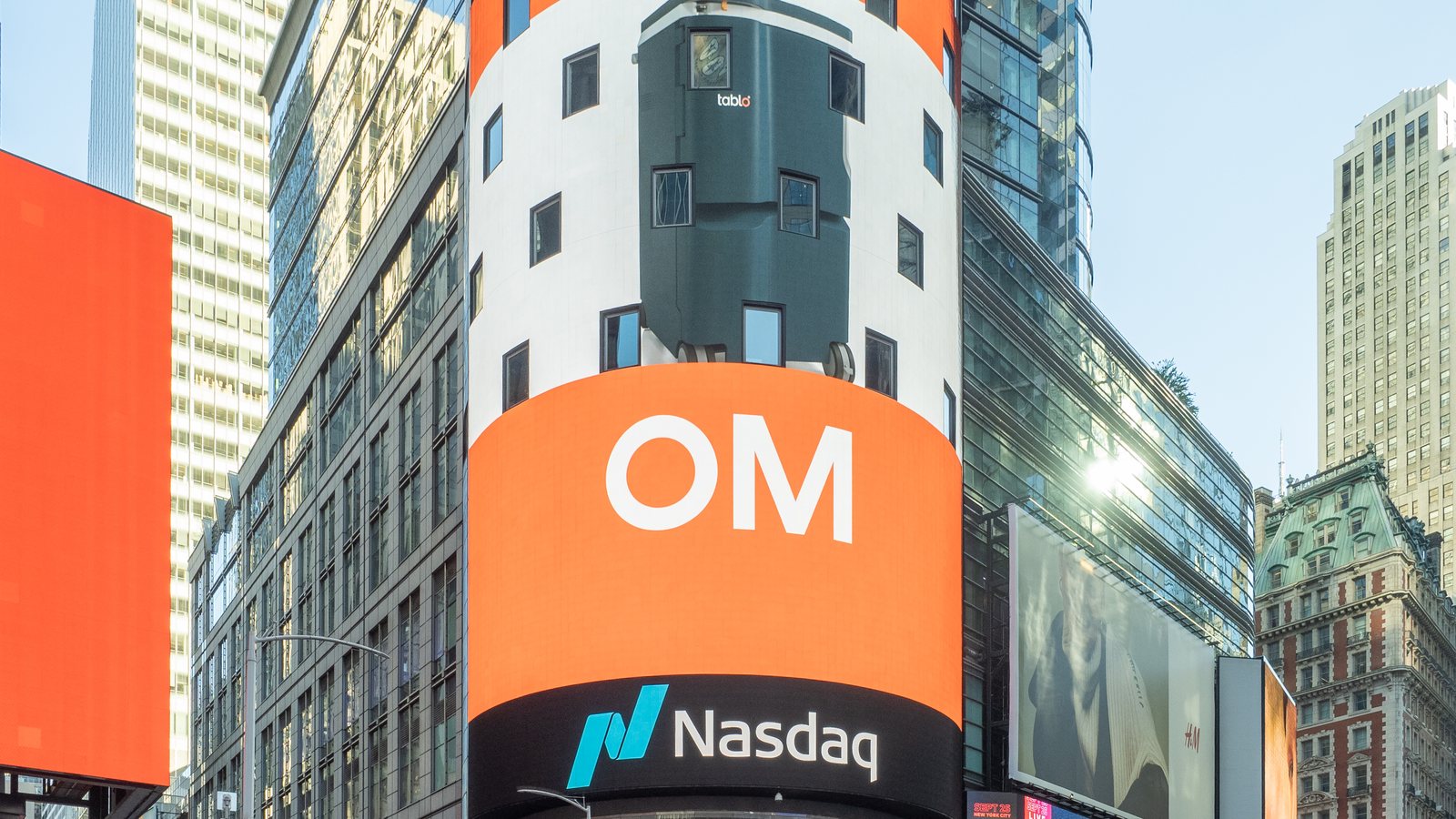
Anthropic, the artificial intelligence company that makes the Claude models, priced its initial public offering at $83 per share on Wednesday, according to reports from CNBC, Reuters and Bloomberg that cited people familiar with the deal. That is above the range of $70 to $78 a share the company set in an amended filing the week before. The stock is expected to begin trading on the Nasdaq on Thursday, November 19, under the ticker "ANT."
Anthropic had not publicly confirmed the final price or share count at the time of the reports, so the final size of the deal could still differ from the figures below.
How big the deal is
In its filings, Anthropic said it planned to sell 825 million shares, about 801 million of them new shares from the company and the rest from existing shareholders. At $83, that base offering would raise roughly $68.5 billion, CNBC calculated.
Alongside the public offering, Google, Microsoft, Nvidia and AMD agreed to invest a combined $26 billion at the IPO price in a separate placement, according to CNBC. Counting both, the total comes to more than $94 billion, which Benzinga and other outlets noted would make it the largest IPO on record. The previous benchmark was SpaceX's offering in June, which raised $75 billion at first and $85.7 billion after underwriters bought additional shares.
Estimates of the resulting valuation vary with how shares are counted. CNBC said the $83 price puts Anthropic above the roughly $1.4 trillion valuation it had targeted, while a Motley Fool calculation put it at about $1.5 trillion on a fully diluted basis.
What the filing shows
Anthropic's prospectus, made public in October and updated since, gives the first audited look at the company's finances. According to CNBC's reading of the documents:
- Revenue for the nine months ended September 30 was $33.24 billion, up about 1,200% from the same period a year earlier.
- Net loss for the same nine months was $104 billion, mostly because of changes in the fair value of convertible notes and derivative liabilities rather than day-to-day operations. The loss in the same period of 2025 was $25.1 billion.
- Run-rate revenue reached roughly $81 billion at the end of October, up about $10 billion from a month earlier, according to an amended filing.
Much of the growth this year has come from Claude Code, the company's AI coding tool, CNBC reported. The prospectus also includes more than 90 pages of risk factors.
Who keeps control
Anthropic is organized as a public benefit corporation, and its share structure is built to keep control with its founders and its governance trust. Yahoo Finance reported that the founders will keep 50.1% of voting power through a separate class of shares, and that a trust has the right to elect a majority of the board.
Its two largest strategic backers mostly hold nonvoting stock. Amazon holds convertible notes that turn into roughly 1.84 billion nonvoting shares at the IPO, subject to an ownership cap, and Google has a financing agreement that can be partly replaced by buying nonvoting stock at the IPO price, Yahoo Finance reported. CNBC said Amazon's and Google's stakes are each valued at more than $100 billion.
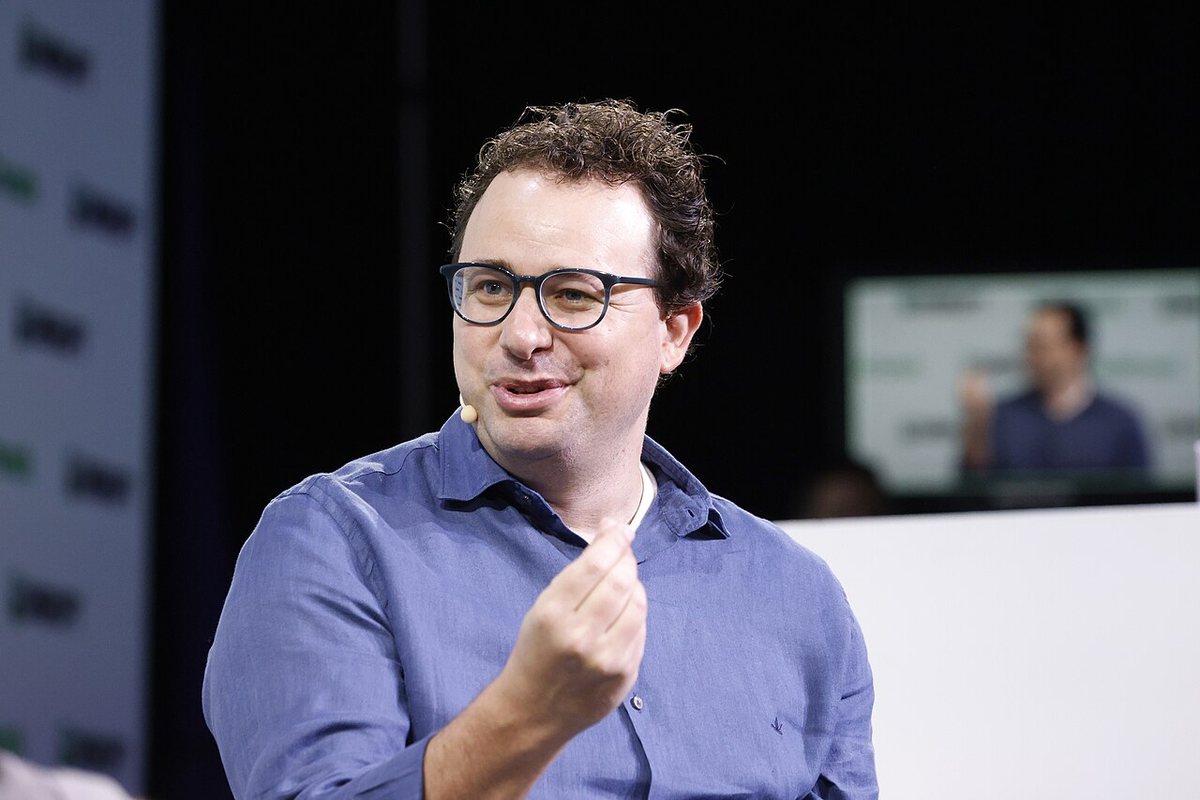
In a roadshow video, chief executive and co-founder Dario Amodei said: "I think if we do this right, we can create an age of miracles." Amodei and several colleagues founded Anthropic in 2021 after leaving OpenAI.
Why it matters
The listing is the biggest test so far of how public investors value the companies building frontier AI models, which spend heavily on computing power and have yet to show steady profits. Pricing above the marketed range suggests strong demand; Motley Fool, citing earlier reports, said the deal was heavily oversubscribed.
It also sets a reference point for rivals. OpenAI has filed confidentially for its own IPO and has said a debut is likely in 2027, according to CNBC.
What to watch
The first day of trading will show whether demand at the offering price holds up once shares change hands freely. Investors will also be looking for the final share count, including whether underwriters buy additional shares, and for the company's first quarterly report as a public company, which will show whether the revenue growth in the filing continues.